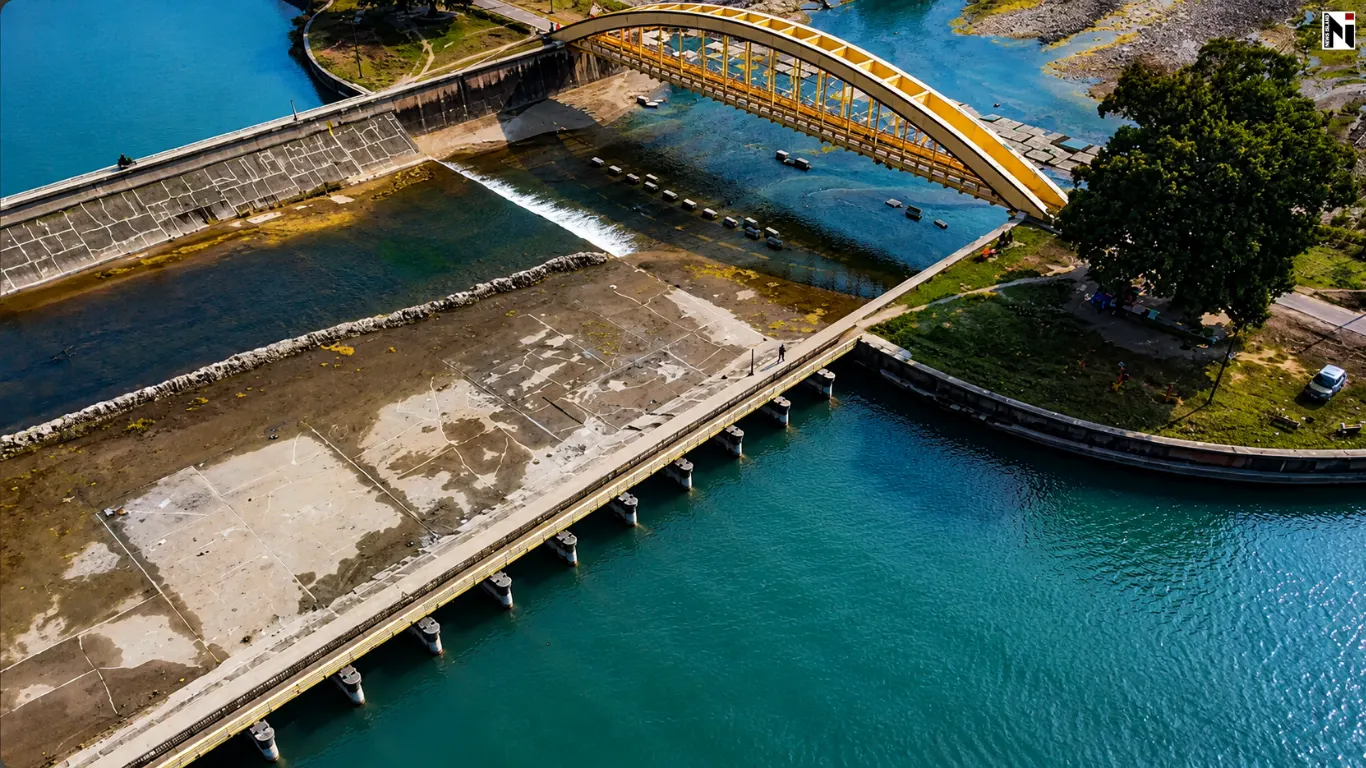
New Delhi: Have you ever seen a place where it looks as if one river flows over another? It may sound unbelievable, but you can witness this fascinating sight in Banbasa, located in Uttarakhand’s Champawat district. The area near Dhanush Bridge and the Banbasa Barrage surprises almost every first-time visitor. Situated close to the India–Nepal border, it has also become a social media sensation, with videos of the unusual view going viral.
Where is Dhanush Bridge?
Dhanush Bridge stands in the Banbasa area of Champawat district, Uttarakhand. The site lies close to the India–Nepal border. Travelers from Khatima can reach it in about 40 to 45 minutes after covering nearly 27 kilometres by road.
Tourists visit the area for the Banbasa Barrage, the Sharda River and the lush greenery. The steel arch pedestrian bridge offers stunning views of the river and the surrounding landscape. Monsoon and winter make the scenery even more attractive.
Why does it look like one river is flowing over another?
This unique view attracts thousands of visitors every year. At first glance, many people believe one stream of water is flowing above another. The scene almost looks like a natural wonder.
The explanation, however, is much simpler. The upper water channel carries water through the Sharda Canal. Below it, the Sharda River follows its natural course. Engineers built the canal at a higher level, so the two waterways remain separate. Since the waters never meet, they create the illusion that one river flows over another.
What is the scientific explanation?
Engineers call this structure an aqueduct, or water bridge. They design aqueducts to carry canals over rivers, roads, streams or railway tracks.
Just as a flyover allows vehicles to cross busy roads, an aqueduct allows water to cross obstacles without interrupting its flow. Both waterways continue on their separate paths without mixing. Similar engineering structures exist in India and many other countries.
What is the role of the Banbasa Barrage?
The Banbasa Barrage stands close to Dhanush Bridge across the Sharda River, also known as the Mahakali River. It regulates the river’s water and diverts it into the Sharda Canal whenever required.
The canal supplies irrigation water to large farming areas in Uttarakhand and Uttar Pradesh. Because of this, the barrage supports millions of farmers and plays a key role in water management.
Why is the Sharda River important?
The Sharda River, known as the Mahakali River in Nepal, forms a natural boundary between India and Nepal at several places. It originates in the Himalayas before flowing into the plains of Uttar Pradesh.
The river provides irrigation, drinking water and agricultural support. The Banbasa Barrage helps authorities manage and use these water resources efficiently.
Are there really two rivers?
The answer is no. You do not see two rivers flowing one above the other. The upper channel is the man-made Sharda Canal, while the natural Sharda River flows below. Their different elevations create an optical illusion, making many first-time visitors believe they are watching two rivers cross.
Why do tourists visit this place?
Tourists visit Banbasa Barrage and Dhanush Bridge for more than their engineering importance. The destination also offers spectacular natural beauty.
Visitors relax by the river, click photographs, capture drone videos and create social media content. The sunrise and sunset views make this spot especially popular among nature lovers and photographers.
How can you reach the site?
Road travel offers the easiest way to reach Banbasa. The journey from Khatima covers about 27 kilometres and usually takes 40 to 45 minutes.
Banbasa Railway Station serves as the nearest railway station. Khatima and Tanakpur are the closest major towns. Visitors can easily reach the site by taxi or private vehicle.
What is the best time to visit?
October to March offers the best weather for visiting Dhanush Bridge and the Banbasa Barrage. Pleasant temperatures and clear views make sightseeing enjoyable.
During the monsoon, the river carries more water and the surrounding greenery becomes even more vibrant, creating beautiful landscapes.
Things to keep in mind while visiting
Follow all safety rules around the barrage and canal. Stay away from restricted areas near the water. Keep the surroundings clean and avoid littering. Always follow the instructions issued by local authorities to ensure a safe and enjoyable visit.
Not a Miracle, but an Engineering Marvel
The view at Dhanush Bridge and the Banbasa Barrage surprises almost everyone. At first, it looks as though one river flows over another. In reality, modern engineering creates this fascinating illusion.
The Sharda Canal flows above, while the natural Sharda River continues below on its own course. The two waterways never mix because they remain at different elevations. Once visitors understand the science behind the view, they appreciate it as an outstanding example of Indian engineering and water management. If you want to explore a place where nature and technology come together, Dhanush Bridge in Banbasa deserves a spot on your Uttarakhand travel itinerary.