New Delhi: The MERI Group of Institutions and the Technological University of Tajikistan (TUT) have entered into an academic partnership to expand education, research and cultural cooperation between India and Tajikistan.
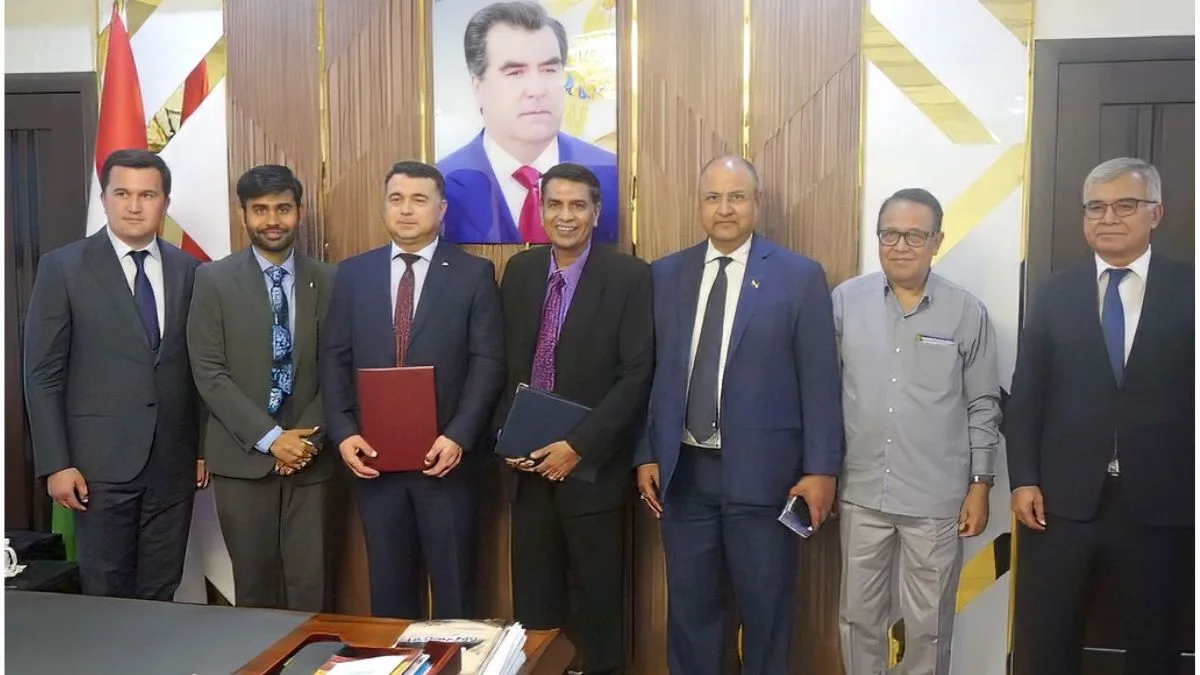
The institutions signed the Memorandum of Understanding (MoU) in Dushanbe on September 17, 2026. Prof. Lalit Aggarwal, Vice-President of MERI Group of Institutions, and Prof. Rahmonzoda Zoir Faizali, Rector of TUT, signed the agreement.
Officials from the Embassy of India in Dushanbe and Tajikistan’s National Commission for UNESCO under the Ministry of Foreign Affairs attended the ceremony.
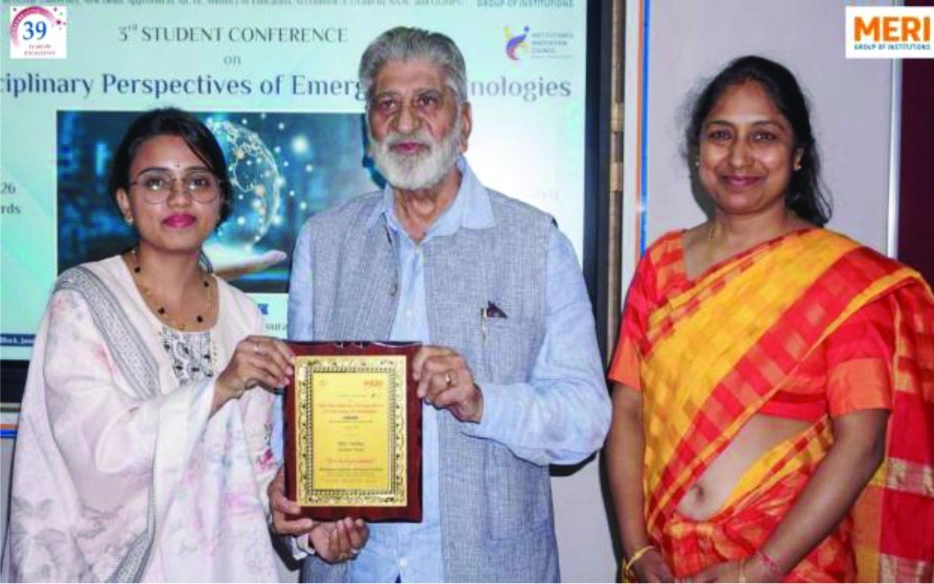
Prof. (Dr.) Ramakant Dwivedi, Head of the MERI Centre for International Studies and Director of the India Central Asia Foundation, also joined the ceremony. Mr. Luv Aggarwal and Prof. Ikromi Khushed Ikrom, Vice-Rector of TUT, also attended.
MoU Covers AI, Management and Professional Studies
The new partnership will cover management, artificial intelligence and other professional disciplines. MERI Group and TUT will jointly promote research activities, scholarships and academic projects.
The institutions will also facilitate knowledge-sharing through conferences, seminars and round-table discussions. They will bring academics, technocrats, diplomats, defence analysts, entrepreneurs and policy administrators together through these platforms.
Academic Exchange to Build Bilateral Connections
The MoU will encourage both institutions to develop projects based on the mutual interests of India and Tajikistan. It will also create opportunities for wider academic and research engagement.
The New Delhi-based MERI Group of Institutions offers programmes in management, engineering, space studies, journalism, law, international relations, economics and commerce.
TUT, which was established in 1991, conducts fundamental and applied research and remains a key higher education institution in Tajikistan.
Through the partnership, MERI Group and TUT aim to create more opportunities for academic cooperation and strengthen educational, cultural and people-to-people ties between the two countries.