Rajasthan tells Assembly 611 govt schools have no buildings. Of 64,484 with buildings, 2,047 lack toilets & 1,049 have no drinking water
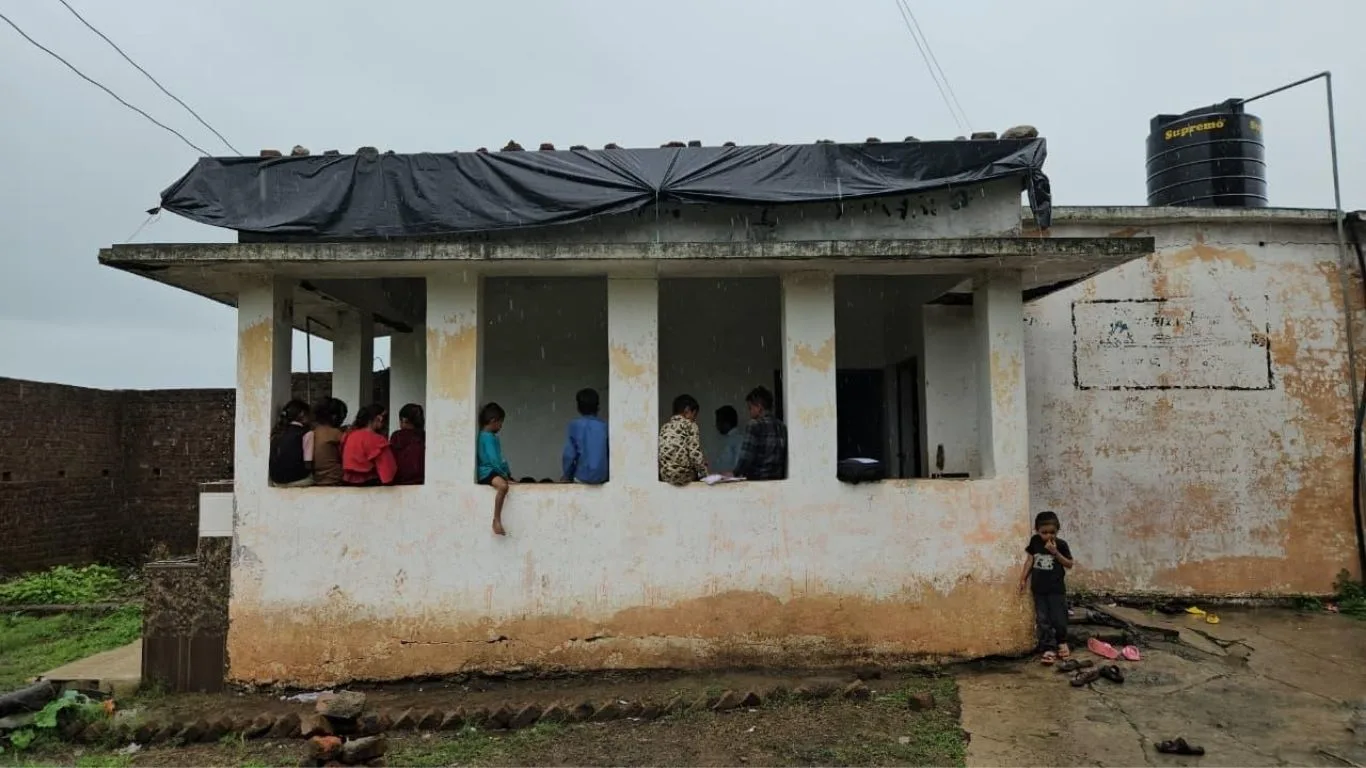
New Delhi: Rajasthan has 611 government schools functioning without their own buildings, the state government informed the Legislative Assembly on Friday. The figure includes 10 girls’ schools and is based on UDISE data for 2025-26 under the Samagra Shiksha Abhiyan. The disclosure was made in response to a question raised by Leader of Opposition Tika Ram Jully.
Of the 64,484 government schools that have their own buildings, 2,047 lack toilet facilities, and 1,049 do not have drinking water. Banswara has the highest number of schools without toilets at 188, followed by Dungarpur with 124 and Udaipur with 98. Dausa has the highest number of schools without drinking water facilities at 96.
CJP campaign and government restrictions
The revelation comes amid the Cockroach Janta Party’s (CJP) “School Thik Karo” campaign, under which teams have been inspecting government schools across the state. One such inspection near Bagru, close to Jaipur, drew attention after a CJP team alleged that classes were being conducted in a temporary facility used as a cowshed. The government subsequently restricted the entry of outsiders into schools and prohibited photography and live-streaming on school premises. Education Minister Madan Dilawar defended the move, citing the privacy and safety of students.
Jhalawar collapse and its aftermath
The latest figures have emerged against the backdrop of the Jhalawar school building collapse. On July 25, 2025, a portion of the Government Upper Primary School building in Piplodi village of Jhalawar district collapsed, killing seven students and injuring more than 20 others as they gathered for morning assembly. The National Human Rights Commission took suo motu cognisance of the incident and sought a report from the Rajasthan government.
The tragedy triggered a wider assessment of school buildings across the state. A statewide survey found 86,934 classrooms and rooms in government schools to be completely dilapidated. The Rajasthan High Court subsequently barred their use and directed authorities to make alternative arrangements so that students’ education was not disrupted.
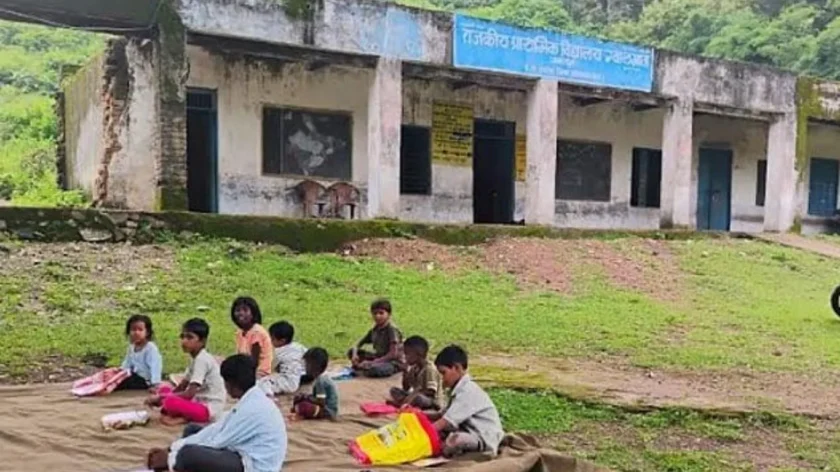
The assessment also identified 5,667 schools as entirely unsafe. In addition, 17,109 toilets were classified as dilapidated, while another 29,093 required repairs. Rajasthan has more than 63,000 government schools and over 5.26 lakh classrooms, making the number of completely dilapidated classrooms a substantial portion of the state’s government-school infrastructure.
District-level data show that the problem of schools without buildings is concentrated in certain areas. Jaipur has 38 such schools. Jhalawar’s Aklera block has the highest number at 23, followed by Khanpur with 16 and Jhalrapatan with 11. Bap in Phalodi and Chotisarvan in Banswara have 11 and 10 schools without buildings, respectively. Among the 10 girls’ schools without buildings, two each are in Jaipur and Alwar, while one each is in Barmer, Churu, Dungarpur, Karauli, Kota and Rajsamand.
Government response and High Court pressure
The government has announced steps to address the deteriorating infrastructure. It has approved funds of around ₹409 crore for the construction of new buildings for 300 deteriorating government schools. Separately, the state has allocated ₹550 crore for repair and renovation of schools and ₹450 crore for constructing buildings for schools without proper structures or those operating from dilapidated ones. The government has maintained that these measures form part of its existing infrastructure plans rather than a new decision.
The Rajasthan High Court has been pressing the state to present a clear roadmap for repairing and replacing unsafe school infrastructure. The court has sought details on construction, repairs, funding and timelines following the Jhalawar tragedy. Officials have informed the court that a five-year plan involving multiple funding sources, including Samagra Shiksha, District Mineral Foundation Trust and state funds, is being implemented to address the gaps.
The latest Assembly data, combined with the findings of the post-Jhalawar survey, underline that the challenge is multi-layered. While 611 schools need permanent buildings, thousands of existing schools continue to face shortages of toilets and drinking water, and tens of thousands of classrooms remain in a dilapidated condition.