No direct US-Iran talks as Trump sends envoys to Islamabad; Pakistan mediates amid fragile ceasefire, rising tensions, and global oil concerns
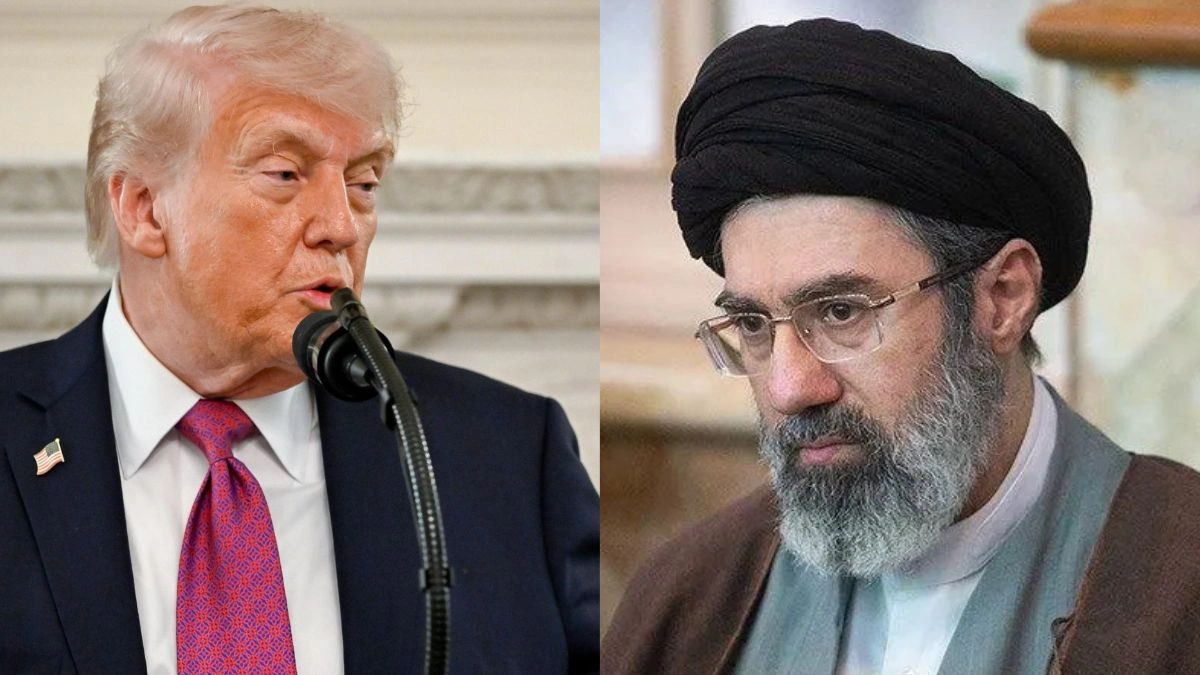
The ongoing conflict involving Iran, the United States, and Israel is now seeing fresh diplomatic efforts to ease tensions and continue ceasefire talks. US President Donald Trump sent his team to Islamabad to restart talks with Iran. However, Iran has clearly said it will not talk directly with the United States. Any communication with US will be conducted through Pakistani mediation.
Pakistan Becomes the Key Link
Islamabad has again become the main place for talks. US officials, including Steve Witkoff and Jared Kushner, have reached Pakistan. At the same time, Iran’s Foreign Minister Abbas Araghchi is also there and is meeting Pakistani leaders.
Iran has made it clear that it is only talking to Pakistan, not to US officials. Pakistan will carry messages between both sides. Earlier talks, known as the Islamabad Talks April 2026, were also held here but did not lead to any agreement.
Also Read: Trump Extends Iran Ceasefire; Blockade Continues and Middle East Tensions Persist
Iran Refuses Direct Meetings
Iran has clearly refused to hold face-to-face talks with the United States. A spokesperson from Iran’s Foreign Ministry said that no meeting is planned with U.S. officials in Islamabad. All discussions will take place indirectly through Pakistan.
This shows that Iran still does not trust the United States, especially after earlier talks failed and tensions increased. Talks are still going on, but there is little hope for a quick result.
Truce is Weak, Tensions Continue
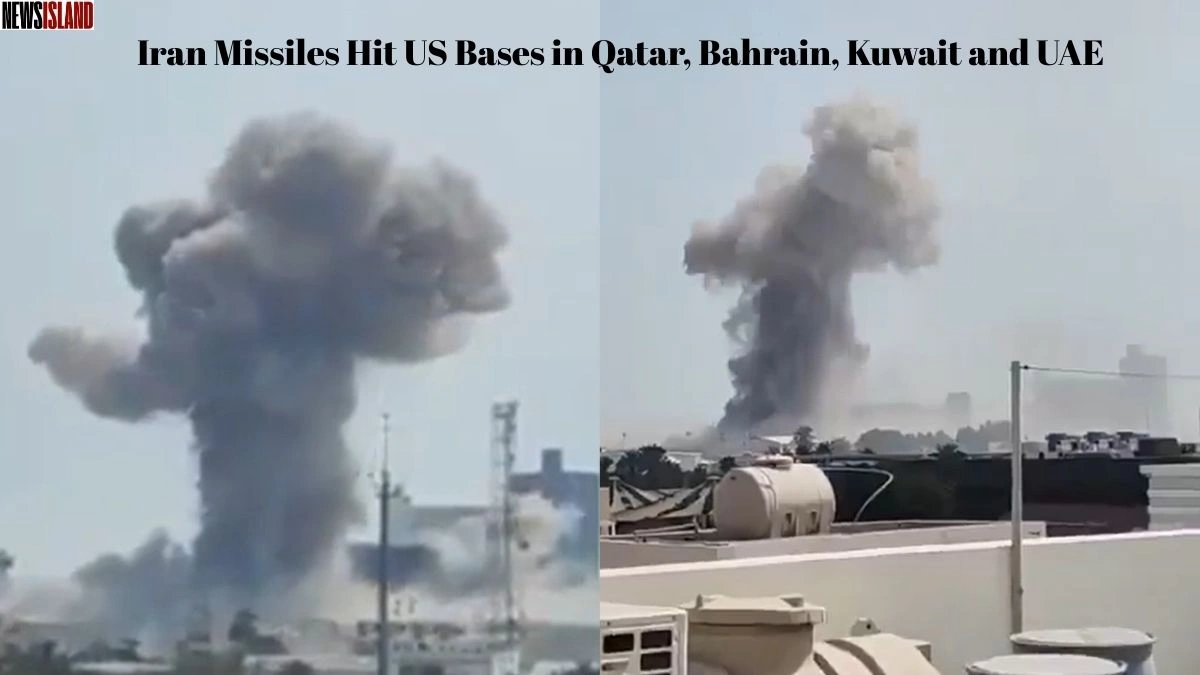
These talks are happening during a temporary and fragile truce. The conflict started earlier in 2026 when U.S. and Israeli forces carried out strikes on Iran, and Iran responded with military action.
A ceasefire was about to reach earlier with Pakistan’s help, but there was no conclusion. There are still tensions and clashes in the region, including those involving Iran-backed groups like Hezbollah. This means the risk of fighting starting again remains high.
Main Issues Blocking Agreement
Several big problems are stopping both sides from reaching a deal:
- Nuclear Program: The U.S. wants Iran to limit its nuclear activities, while Iran wants sanctions to be removed.
- Sanctions and Blockade: The U.S. has restricted Iran’s oil exports and naval movement, which Iran wants lifted.
- Strait of Hormuz: Control and safety of the Strait of Hormuz is very important because it is a key route for global oil supply.
- Regional Issues: Tensions related to Israel and Iran-backed groups are also part of the problem.
Because of these issues, talks have not moved forward much.
Impact on the World
The conflict is affecting the whole world, especially oil prices. Problems in the Strait of Hormuz have made oil more expensive and raised concerns about the global economy.
Shipping routes have become risky, and international trade has been affected. This has made the conflict a global issue, not just a regional one.
US Hopeful, Iran Careful
The U.S. government is showing some hope that talks may improve. President Donald Trump has said that Iran might present a proposal, but nothing has been confirmed yet.
Iran is moving carefully. It has not agreed for direct talks and is focusing on indirect communication while maintaining its position.
What Happens Next
As of now the situation is still uncertain. Talks are happening, but without direct meetings, progress is difficult.
Pakistan is helping both sides stay connected. However, the final result will depend on whether these indirect talks can solve the main issues. If they fail, there is a high chance of rising tensions, more conflict, and further impact on the global economy.