Delhi Police has named three alternative protest sites after removing Jantar Mantar from the list. Why move protests away from central Delhi, and what does it mean for the right to dissent?
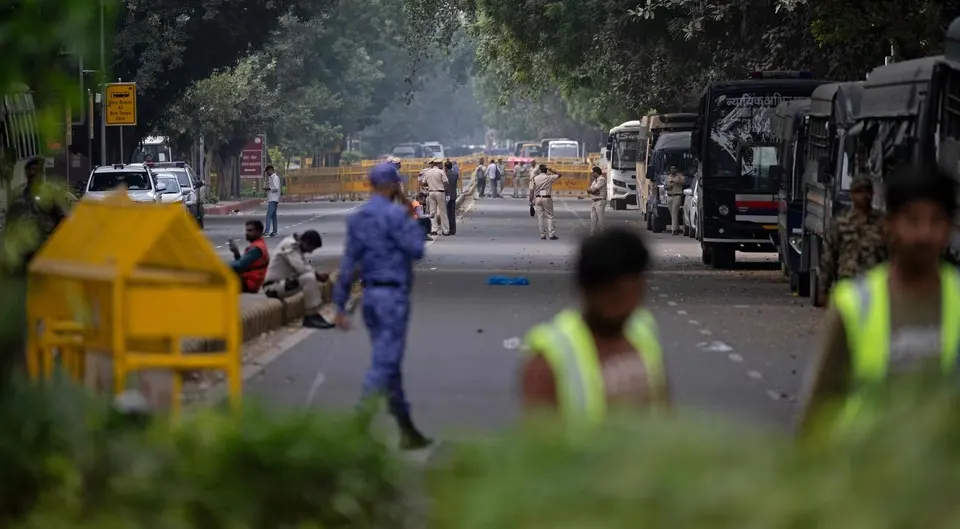
New delhi: The irony of democracy is that citizens can protest, provided they remember one small detail: they must not get too close to the corridors of power! In Delhi, people who once gathered at Jantar Mantar to oppose government policies may now have to look elsewhere. Delhi Police has designated three alternative venues for protests: Burari Ground, Ramlila Ground and CBD Ground in East Delhi.
But this decision raises a bigger question. Why move protests away from the heart of the capital? Who benefits when citizens must travel farther to make their voices heard?
Why Move Protests Away from Jantar Mantar?
Jantar Mantar has never been just another public space. For decades, farmers, students, workers, political parties and social organisations have gathered here to challenge government decisions and demand accountability.
Its location gives protesters a distinct advantage. They can gather close to important political and administrative centres. Journalists and the public can also see their demonstrations and hear their demands. Over the years, Jantar Mantar has become a symbol of democratic dissent. It gives ordinary citizens a platform to bring their grievances into the national conversation.
Delhi Police has now removed Jantar Mantar from the list of designated protest sites. This decision raises concerns about access to public spaces. Are the authorities addressing genuine administrative challenges, or could this move create additional barriers for people who want to challenge those in power?
A committee constituted by the Union Home Ministry recommended the change. However, this administrative process does not answer every question about its impact on citizens who want to protest peacefully.
Also Read : Charanjit Singh Appeals to UN Bodies Over Alleged Rights Violations in India
Will Ordinary Citizens Pay the Price?
Consider a student protesting against an education policy, a worker demanding unpaid wages or a group of citizens opposing a government decision. Many protesters have limited time, money and resources.
Moving protest venues farther away could increase their travel costs. Citizens may also lose valuable time and need to make extra arrangements before they can begin their demonstrations.
Delhi Police has designated Burari Ground, Ramlila Ground and CBD Ground as alternative venues. These locations could help officials manage crowds, regulate traffic and maintain public order. However, their success will depend on practical factors. Good public transport, basic facilities and a transparent permission process will all matter.
This raises an uncomfortable question: Are the authorities making protests easier to manage, or making it harder for citizens to reach the places where their voices matter most?
The relocation alone does not prove an intention to suppress dissent. Still, citizens deserve clear answers about the reasons for this change. They also need to know how it could affect their right to protest peacefully.
Security Matters, But So Does Dissent
Delhi must manage traffic congestion, protect public safety and keep emergency services running during large demonstrations. Police officials have a legitimate responsibility to maintain public order.
Yet, authorities must balance these duties with the democratic right to express disagreement. They should not treat every demonstration merely as a logistical problem.
On October 9, the Supreme Court discussed alternatives to Jantar Mantar. It also highlighted the need for drinking water, toilets and medical assistance at protest venues. These concerns show why authorities may need alternative sites. However, officials must ensure that the new venues remain accessible, safe and suitable for peaceful demonstrations.
The real test will come during implementation. Will the administration provide adequate facilities? Will officials process permission requests fairly? Most importantly, will peaceful protesters reach their intended audiences without unnecessary obstacles?
Changing the Venue Does Not End the Questions
Delhi Police’s decision to replace Jantar Mantar with alternative protest venues goes beyond an administrative change. It could also affect how citizens connect with the institutions that govern them.
The government and the police must show that these locations offer better arrangements. Simply moving public dissent away from the capital’s political centre will not, by itself, resolve concerns about access and accountability.
A protest site is not merely a patch of land. It connects citizens with those in power.
Changing the venue does not end the questions. It only changes where people ask them. Will the new venues amplify the public’s voice, or will citizens struggle to make themselves heard in the corridors of power?