
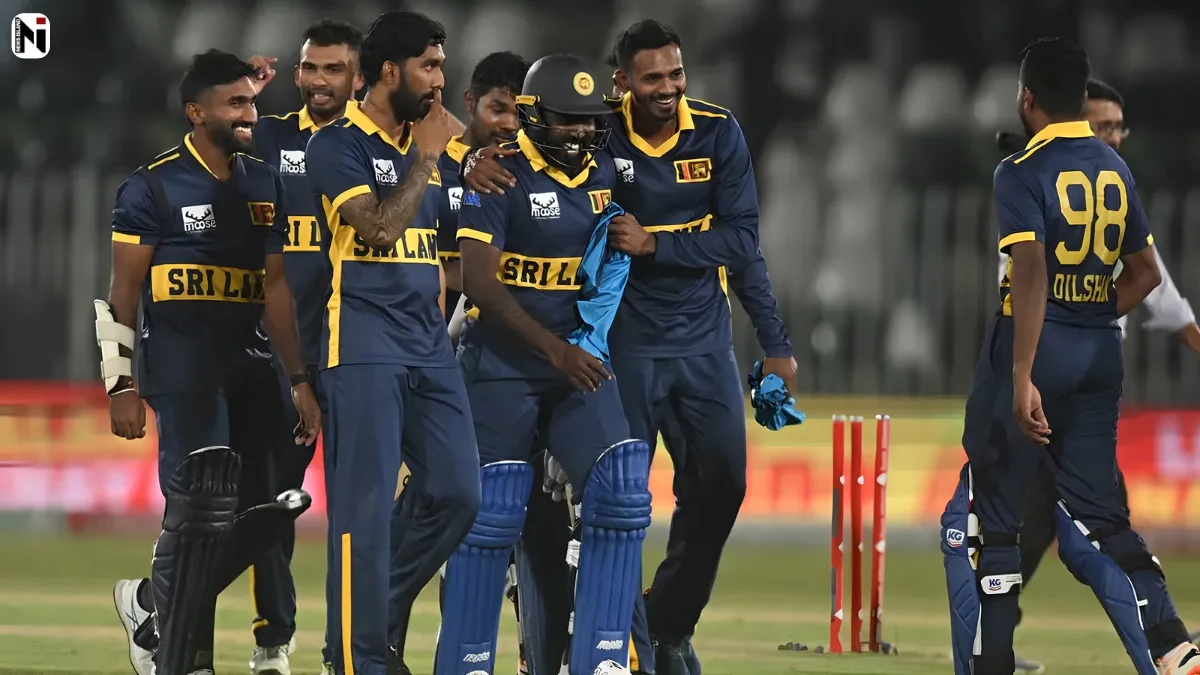
Sri Lanka chase 430 against England after India’s 406-run chase in 2026. Can South Africa’s long-standing ODI record of 435 be broken next?
NEW DELHI: Scoring more than 400 runs in an ODI was once considered a near-guarantee of victory. But the events of 2026 have challenged that belief. India first made headlines by chasing 406 against the West Indies. Sri Lanka then produced an even bigger performance, chasing down England’s 430-run target to register one of the greatest victories in ODI history.
Sri Lanka’s remarkable chase has reignited the debate over the biggest successful run chases in international cricket and raised questions about how far modern batting can push the limits of the game.
South Africa’s 435-Run Record Still Stands
South Africa continue to hold the record for the highest successful run chase in men’s ODI cricket. On March 12, 2006, South Africa chased down Australia’s target of 435 in Johannesburg, scoring 438/9 to win by one wicket in one of the most extraordinary matches the sport has witnessed.
Australia had posted 434/4, but South Africa refused to surrender. Nearly two decades later, that remarkable achievement remains the benchmark for teams chasing enormous totals.
Sri Lanka’s successful pursuit of 430 against England has brought the cricketing world closer to that historic record. The gap between Sri Lanka’s target and South Africa’s record-breaking chase is now just five runs in terms of the target faced: 430 compared with 435.
India Also Made History in 2026
India joined the conversation with a spectacular chase against the West Indies. After the visitors posted 405/7, India reached 406 with just two wickets down.
Shubman Gill led the charge with an unbeaten 223, while Rohit Sharma contributed 101. Their commanding partnership dismantled the West Indies bowling attack and helped India complete the chase with considerable time to spare.
India’s performance demonstrated that even a target exceeding 400 runs could be chased without requiring a last-over thriller. Sri Lanka subsequently raised the benchmark by successfully pursuing England’s much larger total.
The two performances have made 2026 a remarkable year for high-scoring ODI chases.
Sri Lanka Recover After Losing Two Early Wickets
England appeared to have done enough after posting 429/4, powered by captain Harry Brook’s breathtaking double century. Brook smashed 202 off 116 balls, becoming the first English batter to score a double century in men’s ODI cricket.
However, Sri Lanka refused to be intimidated by the enormous target.
The visitors stumbled to 24/2 before Avishka Fernando and Pavan Rathnayake rebuilt the innings with a crucial 166-run partnership for the third wicket. Fernando scored 97, narrowly missing a century, while Rathnayake delivered a superb 130.
Dasun Shanaka then launched a blistering counterattack, smashing 97 off just 50 balls. Janith Liyanage provided the finishing push with an unbeaten 61 off 27 deliveries.
Sri Lanka eventually reached the target at 430/8 in 49.5 overs, sealing a remarkable two-wicket victory.
Could ODI Cricket See a 450-Run Chase Next?
India and Sri Lanka have demonstrated that a total above 400 no longer guarantees victory. Aggressive batting, deeper line-ups and fearless stroke play are changing the way teams approach enormous targets.
South Africa’s record of chasing 435 remains the ultimate benchmark. But after India’s 406-run chase and Sri Lanka’s pursuit of 430, the possibility of a successful 450-run chase no longer seems unimaginable.
For bowlers, the challenge is becoming increasingly demanding. Building a massive total is no longer enough; teams must also defend it under relentless pressure.
The message from 2026 is clear: in modern ODI cricket, even 400-plus runs may not be enough to keep victory out of reach.


