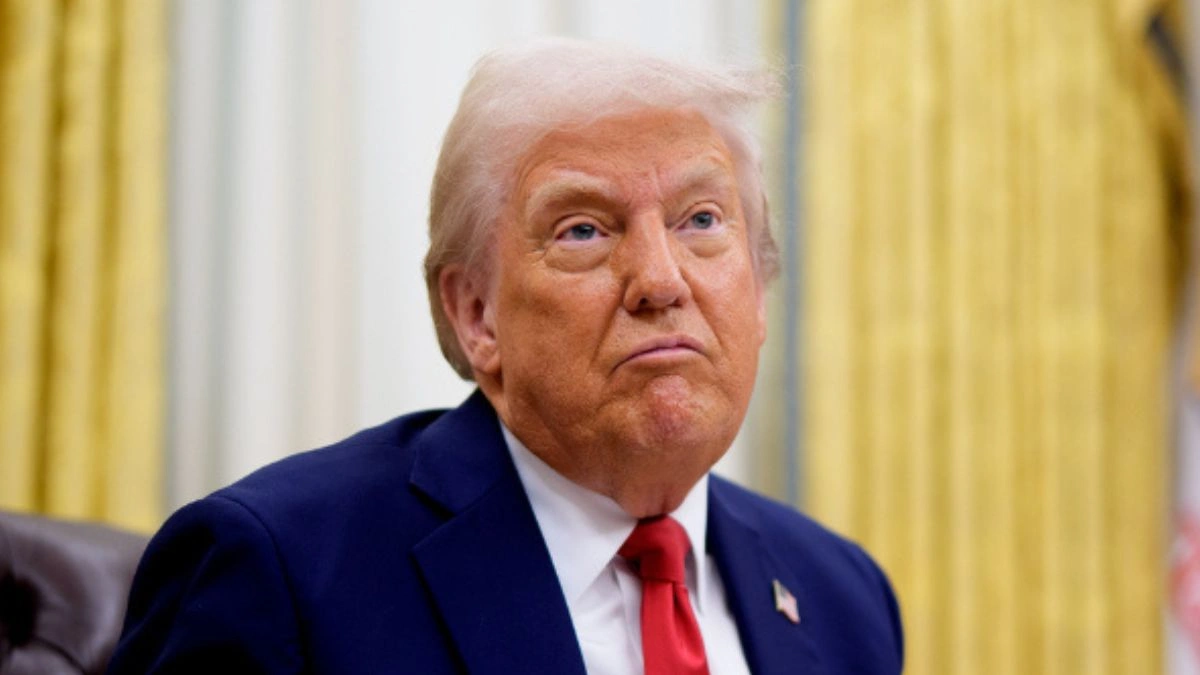
Trump announces military action in video message, calling it necessary to eliminate imminent threats from the Iranian regime
The United States and Israel have launched coordinated military strikes on Iran, sharply increasing tensions in the Middle East. Early on February 28, 2026, both countries began what US President Donald Trump called “major combat operations,” targeting Iranian military and strategic sites.
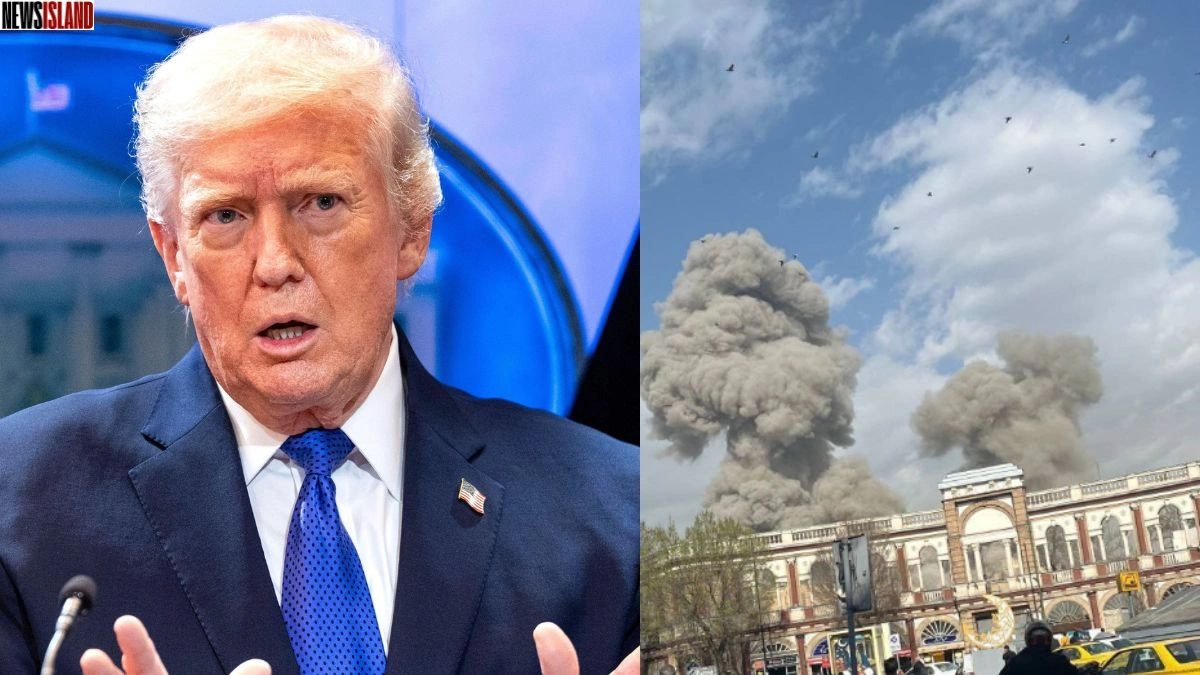
Soon after the strikes began, explosions were seen in Tehran and other parts of Iran. The attacks have raised serious concerns that the conflict could continue for several days and possibly expand further.
President Trump confirmed that US forces are directly involved in the operation. He openly warned that American casualties are possible, saying that war often brings loss of life. His statement made clear that this is a serious and high-risk military action.
Trump Announces Operation in Video Message
In a video message posted on X, President Trump formally announced that the United States had begun large-scale military operations in Iran. He described the action as necessary to protect American citizens and interests.
Trump said the goal of the operation is to “defend the American people by eliminating imminent threats” from the Iranian regime. He accused Iran of putting US troops, overseas military bases, and American allies at risk through what he described as decades of hostile behavior.
He said the United States is acting now to remove those threats and ensure long-term security.
Trump Points to Decades of Conflict
During his address, Trump listed several past incidents to explain why he ordered the military action.
He said that for 47 years, Iran’s leadership has promoted anti-American views and supported violent acts against US interests. He referred to the 1979 US Embassy crisis in Tehran, when American diplomats were held hostage for 444 days.
Also Read: Israel Launches Strikes on Iran; Explosions Reported in Tehran, Nationwide Emergency Declared
He also mentioned the 1983 bombing of the US Marine barracks in Beirut, which killed 241 American service members. Trump linked Iran to the 2000 attack on the USS Cole and accused Iranian forces and their allies of killing and injuring American troops in Iraq over the years.
He said Iran-backed groups have repeatedly attacked US forces, ships, and international shipping routes in the Middle East.
Trump also blamed Iran’s proxy group Hamas for the October 7 attacks on Israel. In that attack, more than 1,000 people were killed, including 46 Americans, and 12 US citizens were taken hostage.
Nuclear Programme Remains Central Issue
A major part of Trump’s speech focused on Iran’s nuclear programme. He repeated the long-standing US position that Iran must never be allowed to develop a nuclear weapon.
Trump referred to “Operation Midnight Hammer” last June. He claimed that US forces destroyed nuclear facilities at Fordow, Natanz, and Isfahan during that earlier operation.
According to Trump, the United States warned Iran not to restart its nuclear activities and tried to negotiate a deal. He said Iran refused to give up its nuclear ambitions and attempted to rebuild its programme.
He also accused Iran of trying to develop long-range missiles that could threaten Europe, US troops stationed abroad, and possibly even the United States itself.
Trump said the current military operation aims to stop those efforts.
Military Goals Clearly Defined
President Trump said the ongoing operation seeks to destroy Iran’s missile capabilities and “obliterate” its missile industry. He added that US forces will also target Iran’s navy.
He stated that the US wants to make sure Iran-backed groups can no longer destabilise the region or attack American forces.
Trump admitted that American casualties are possible but said the mission is necessary to prevent a nuclear-armed Iran and secure the future. He stressed that his administration has taken steps to protect US personnel in the region and said the American military is fully prepared.
How the Attacks Unfolded
Defence Minister of Israel has confirmed that the Israel launched the first wave of strikes, calling them pre-emptive attacks against Iranian threats. The United States joined the operation and provided direct military support.
The attacks involved air power and possibly sea-based strikes aimed at weakening Iran’s missile systems, naval forces, and nuclear infrastructure.
Soon after the operation began, explosions were heard in Tehran. Witnesses reported smoke rising over parts of the capital. Iranian state media confirmed the explosions but did not immediately provide details about casualties or damage.
Reports also said that Iran’s Supreme Leader, Ayatollah Ali Khamenei, was moved to a secure location as the strikes continued. Iranian authorities increased security measures across the country.
The strikes reportedly targeted multiple strategic sites, although officials have not yet released a complete list of locations.
Airspace Closures and Emergency Actions
Both sides quickly took emergency measures.
Israel closed its airspace and placed the country on high alert. Authorities shut schools and non-essential services. Sirens sounded in several areas as officials prepared for possible retaliation from Iran.
Iran also closed its airspace and reportedly disrupted mobile communication networks in some areas. Officials urged citizens to stay calm and follow instructions.
Iraq, which lies between the two countries, closed its airspace to civilian flights to avoid potential danger.
Direct Message to Iranian Forces
In his speech, Trump directly addressed members of Iran’s Islamic Revolutionary Guard Corps, armed forces, and police. He urged them to lay down their weapons. He promised “complete immunity” if they surrender but warned of “certain death” if they resist.
Trump also spoke to the Iranian public. He advised civilians to stay indoors because military action is ongoing and conditions outside are dangerous.
He encouraged Iranians to “take over your government” once the military operations end. He described the moment as a historic opportunity for change and claimed that the United States supports them with overwhelming strength.
Iran Condemns Strikes and Promises Response
Iran strongly condemned the attacks and described them as aggression. Iranian officials promised a “crushing” response.
Tehran has consistently denied trying to build nuclear weapons and says its nuclear programme is peaceful. Iranian leaders accused the United States of spreading false information and increasing tensions.
After the strikes, Iran’s military posted a video on X stating that let the world know that we didn’t start the war. In a separate post, it shared footage of the attacks, making its position on the conflict clear.
Although Iran has vowed retaliation, officials have not yet provided details about when or how they will respond.
Fear of Wider Regional War
The direct involvement of both the United States and Israel in strikes on Iranian territory marks one of the most serious confrontations in decades.
Experts warn that the conflict could grow if Iranian-backed groups in Lebanon, Iraq, or Syria join the fighting. Hezbollah and other regional allies of Iran could open new fronts.
There are also concerns about attacks on US military bases in the region or further missile exchanges involving Israel.
Several countries have called for restraint. Global financial markets have reacted nervously, especially due to fears that oil supplies and international trade routes could be disrupted.
A Critical Moment for the Region
This military action marks a major turning point in relations between Iran, the United States, and Israel. Years of mistrust, sanctions, proxy battles, and failed diplomatic efforts have now led to open military conflict.
Combat operations are still ongoing. Authorities have not yet confirmed full casualty figures. Airspace remains closed in Iran, Israel, and Iraq. Nuclear talks had already collapsed before the strikes, and diplomatic efforts now face serious uncertainty.
The world is closely watching how Iran responds, whether regional allies become involved, and how this conflict may affect global security and energy markets in the coming days.

khushisikarwar is an award-winning journalist and content creator who thrives on telling stories that matter. As a key contributor to Newsisland, [she] focus on cultural commentary, providing readers with thought-provoking insights.