US–Israel Strikes Kill Iran’s Supreme Leader Ali Khamenei, Army Chief and Defence Minister; Iran Hits Back With Missiles
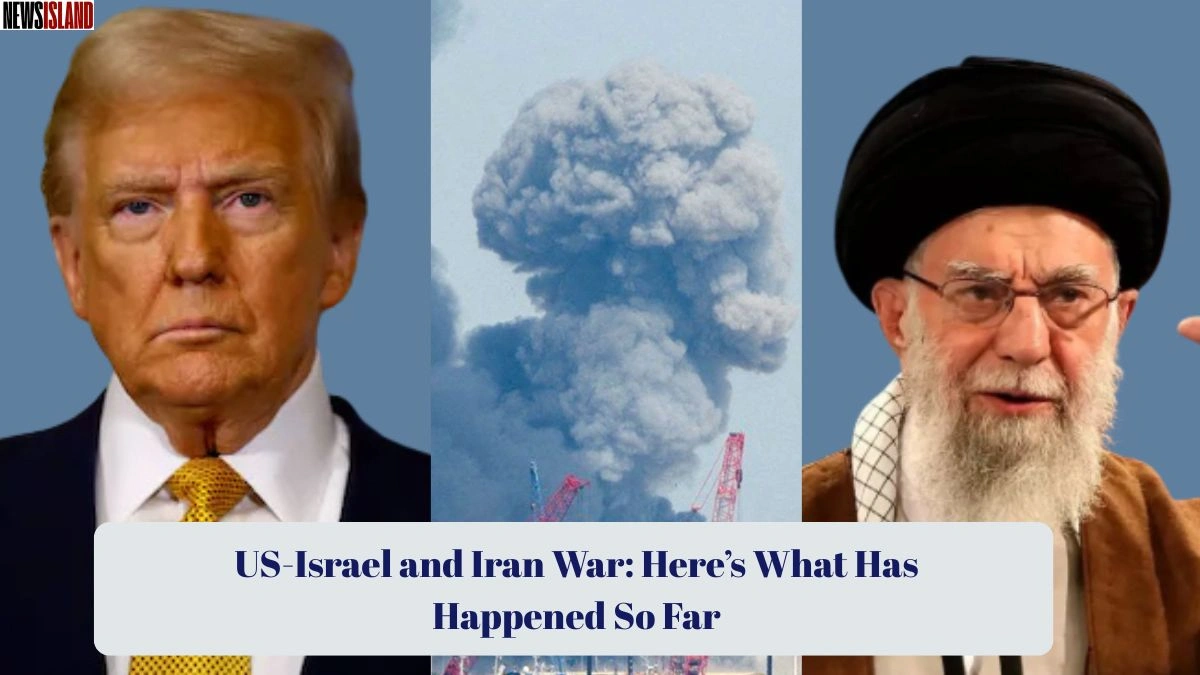
In a major escalation in the Middle East, the United States and Israel carried out a large joint military attack on Iran in the early hours of February 28, 2026. They targeted important nuclear sites, military bases, air defence systems and top command centres in cities such as Tehran, Isfahan, Natanz and Fordow.
Reports say the operation included hundreds of airstrikes and missile attacks. The US and Israel used advanced stealth aircraft and long-range precision weapons to hit even heavily protected underground facilities. Iranian air defence systems tried to stop the incoming attacks, but powerful explosions were heard across several cities.
US and Israeli officials said they launched the strikes to stop Iran’s nuclear programme and weaken its military leadership. They claimed they had intelligence inputs suggesting that Iran was becoming a bigger threat in the region.
Iran Confirms Death of Supreme Leader Ali Khamenei
Iranian state media confirmed that Supreme Leader Ayatollah Ali Khamenei, 86, was killed in the strikes. He had been Iran’s top political and religious leader since 1989 and held the highest authority in the country.
His death is an unprecedented event in Iran’s modern history. No sitting Supreme Leader has ever been killed in a foreign military attack. After confirming his death, Iran declared 40 days of national mourning and announced public holidays to honour him.
His passing has created a serious leadership crisis in the country.
Also Read: Tehran Confirms Death of Ali Khamenei, President Pezeshkian Warns of Response
Top Military Leaders Also Killed
Along with Khamenei, several senior Iranian military officials were killed. Iranian reports said the strikes hit locations where top security officials were present.
Those confirmed dead include:
- The Chief of Staff of Iran’s Armed Forces
- The Defence Minister
- Senior commanders of the Islamic Revolutionary Guard Corps (IRGC)
These deaths have badly affected Iran’s military leadership and coordination.
Iran Responds With Missile and Drone Attacks
Soon after confirming the deaths, Iran launched a strong counterattack. The Islamic Revolutionary Guard Corps fired ballistic missiles and sent drones toward Israel and US military bases in the region.
Air raid sirens went off in cities like Tel Aviv and Jerusalem. Israel’s defence systems intercepted many incoming missiles, but some strikes caused deaths, injuries and property damage.
Iran also targeted US military bases in Gulf countries such as Bahrain, Qatar and Kuwait. Gulf nations issued emergency alerts asking residents to stay indoors and seek shelter.
Iran said it carried out multiple waves of retaliation and warned that more action could follow.
US President Donald Trump Issues Strong Warning
US President Donald Trump warned Iran not to escalate the situation further. In an online statement, he said that if Iran continued attacking, the United States would respond “with a force that has never been seen before.”
Trump said the strikes were necessary to protect US and allied interests. He also called on Iranian citizens to oppose their leadership, warning that further aggression would bring severe consequences.
The White House said the goal of the strikes was to reduce Iran’s nuclear and military threat.
Regional Impact and Air Travel Disruptions
The conflict quickly affected the entire region. Several Middle Eastern countries temporarily closed their airspace, leading to flight cancellations and diversions.
Tensions also increased around the Strait of Hormuz, an important global oil shipping route. Fears of disruption caused oil prices to fluctuate, and global financial markets reacted with volatility.
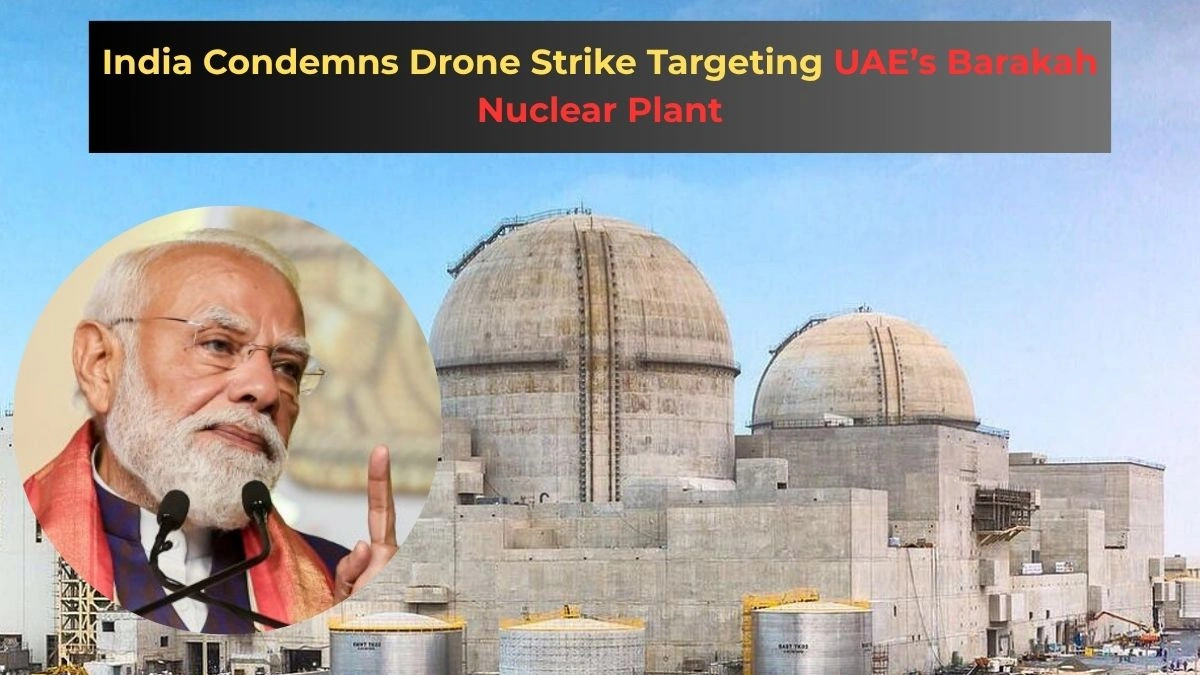
Countries like the United Arab Emirates issued emergency alerts because of missile threats.
United Nations Meeting and International Reactions
Iran accused the US and Israel of committing war crimes and raised the issue at an emergency United Nations meeting. Iranian officials called the strikes illegal and demanded global action.
Many world leaders urged both sides to show restraint and avoid further escalation. Some countries pushed for a return to diplomacy, while others expressed concern that the situation could turn into a wider regional war.
Civilian Casualties and Damage
Iranian sources reported heavy casualties from the strikes. Hundreds of people were said to be killed or injured, including civilians. There were reports of damage to homes, public buildings and infrastructure in several cities.
Hospitals in affected areas treated large numbers of injured people.
On the Israeli side, Iranian missile attacks also caused deaths, injuries and property damage.
Iran Begins Leadership Transition
After Khamenei’s death, Iran’s Supreme National Security Council started emergency procedures to manage the leadership crisis. Officials announced plans to form a temporary leadership council to run the country during the transition period.
This council is expected to include the President, the head of the judiciary and a senior cleric from the Guardian Council. The process of selecting a new Supreme Leader will follow constitutional rules.
Security forces increased their presence across Iran to maintain stability.
Situation Still Tense
As of Sunday, March 1, 2026 the conflict remains active and tense. Both sides are on high alert, and more military action is possible.
Israel has strengthened its defence systems, and US forces in the Middle East have taken extra precautions. Iran has said its retaliation is not over and warned of further consequences.
Diplomatic efforts are ongoing, but no ceasefire has been announced yet.
Also Read: Dr. K. A. Paul Issues Statement on Chennai Peace Festival Row
The Region Faces an Uncertain Future
The killing of Iran’s Supreme Leader and top military officials has dramatically changed the situation in the Middle East. Direct military confrontation between the US, Israel and Iran has raised fears of a long and dangerous conflict.
With missile exchanges continuing, oil markets unstable and global powers watching closely, the coming days will be critical in deciding whether the crisis escalates further or moves toward negotiations.
For now, tensions remain at one of the highest levels seen in decades.

khushisikarwar is an award-winning journalist and content creator who thrives on telling stories that matter. As a key contributor to Newsisland, [she] focus on cultural commentary, providing readers with thought-provoking insights.