US-Iran talks are underway in Islamabad as JD Vance leads US efforts for ceasefire, with global tensions, oil routes, and regional stability at stake
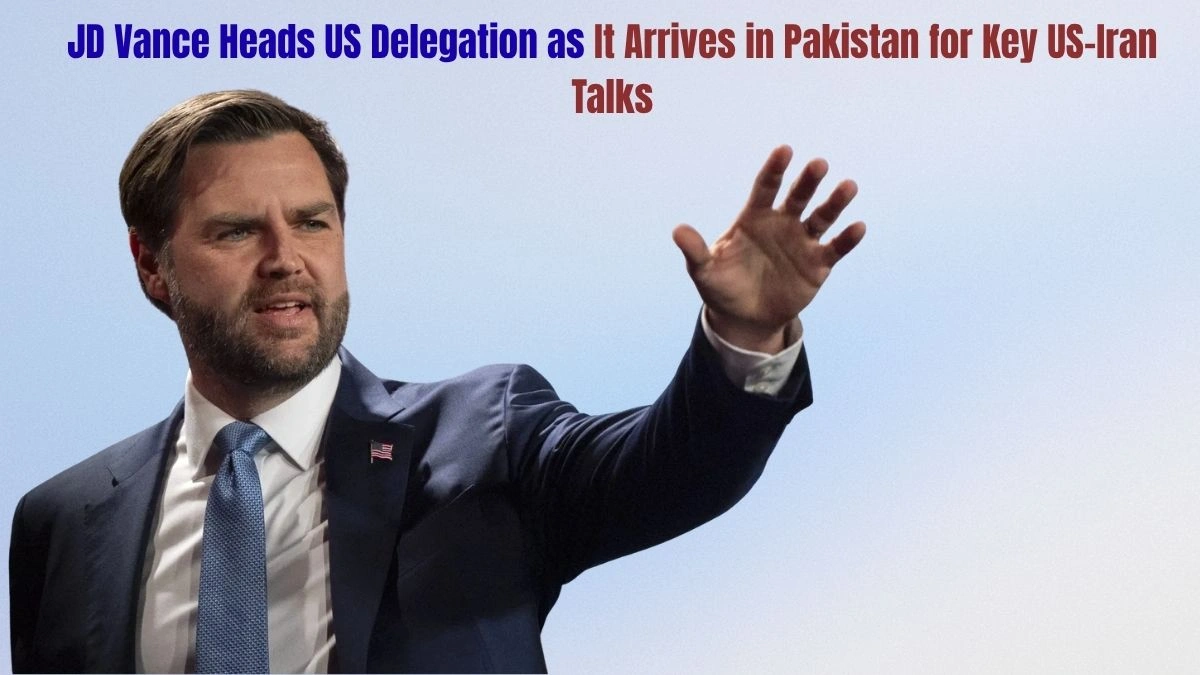
The United States and Iran have begun high-level talks in Islamabad (Pakistan) to reduce tensions in the Middle East. The U.S. team, led by JD Vance, arrived in Pakistan on April 11, while Iranian officials had reached earlier to prepare for the discussions.
These talks mark the first high-level face-to-face engagement between the two countries since 2015. They are also among the most significant engagements in decades since the Iranian Revolution. Pakistan is hosting the talks under tight security and helping both sides communicate.
Table of contents
- US-Iran talks are underway in Islamabad as JD Vance leads US efforts for ceasefire, with global tensions, oil routes, and regional stability at stake
- Conflict Has Caused Heavy Damage
- Leaders Focus on Ceasefire and Stability
- Major Differences Continue
- Ceasefire Remains Fragile
- World Watching Closely
- Outcome Remains Uncertain
Conflict Has Caused Heavy Damage
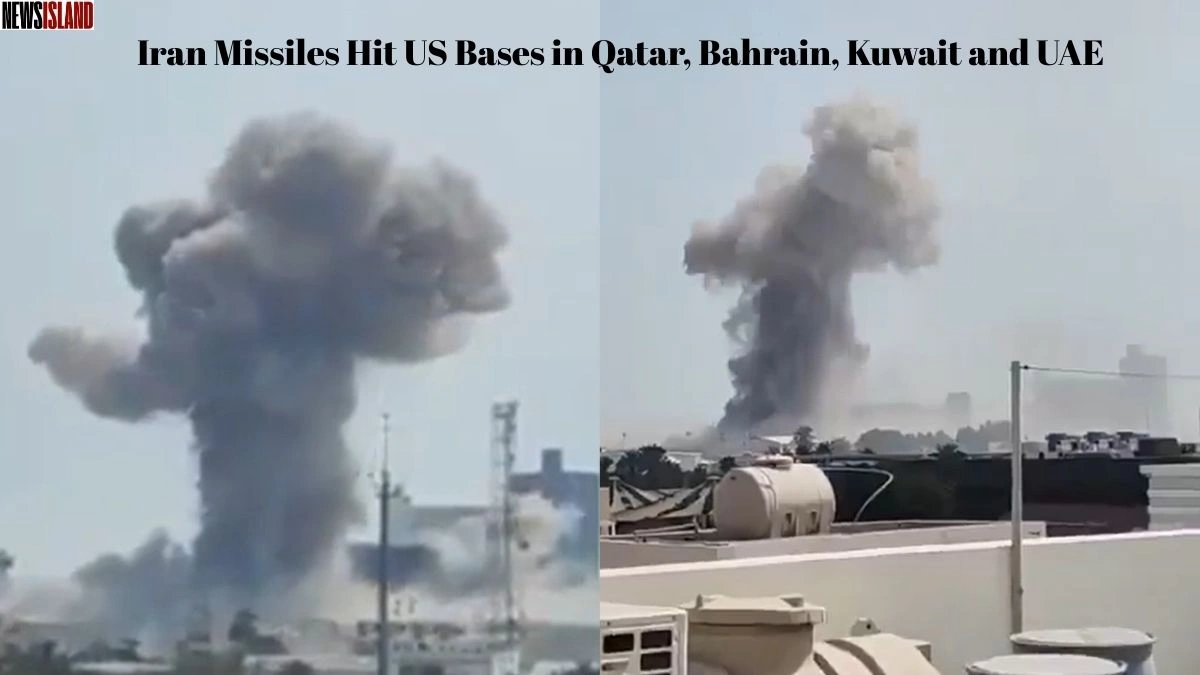
The talks are taking place after weeks of conflict in the Middle East that have caused major destruction and loss of life. The situation has also disrupted global energy supplies, increasing inflation and creating economic pressure worldwide.
A temporary ceasefire is currently in place. However, the situation remains unstable, especially as violence continues in Lebanon.
Leaders Focus on Ceasefire and Stability
The U.S. team includes special envoy Steve Witkoff and adviser Jared Kushner. On the Iranian side, parliamentary speaker Mohammad Bagher Ghalibaf and Foreign Minister Abbas Araghchi are leading the delegation.
Both sides aim to achieve a lasting ceasefire and reduce tensions in the region. They are also discussing reopening the Strait of Hormuz, a key route for global oil supply affected by the conflict.
The talks also include Iran’s nuclear program and its role in regional conflicts.
Major Differences Continue
Despite the talks being underway, major disagreements remain. Iran has raised demands such as easing U.S. economic sanctions, releasing frozen assets, and addressing broader regional ceasefire concerns, including the situation in Lebanon.
However, the United States has not linked the talks directly to Lebanon. Instead, it is focusing on limiting Iran’s nuclear activities and reducing its regional influence.
Another major issue is control over the Strait of Hormuz. Iran wants recognition of its role, while the U.S. is pushing for free and secure navigation for global trade.
Also Read: Khamenei Breaks 37-Year Military Tradition Amid Rising US-Iran Tensions
Ceasefire Remains Fragile
The current ceasefire remains weak as fighting continues between Israel and Hezbollah in Lebanon. Ongoing airstrikes and casualties are increasing the risk of a wider conflict.
Both sides have also accused each other of violating ceasefire terms, increasing mistrust and making negotiations more difficult.
Before leaving for the talks, JD Vance issued a strong warning to Iran, highlighting the tense atmosphere around the discussions.
World Watching Closely
Countries around the world are closely monitoring these talks due to their impact on global oil supply and the economy. Disruptions in the Strait of Hormuz have already pushed oil prices higher and created uncertainty in global markets.
U.S. President Donald Trump has supported the talks but has also indicated that military action remains an option if diplomacy fails.
Outcome Remains Uncertain
Both countries are now engaged in dialogue, but a quick agreement is unlikely. Long-standing mistrust, differing demands, and complex regional issues continue to slow progress.
The Islamabad talks remain a crucial opportunity to reduce tensions and restore stability. However, both sides will need time, patience, and compromise to reach a lasting agreement.
Estimated reading time: 3 minutes