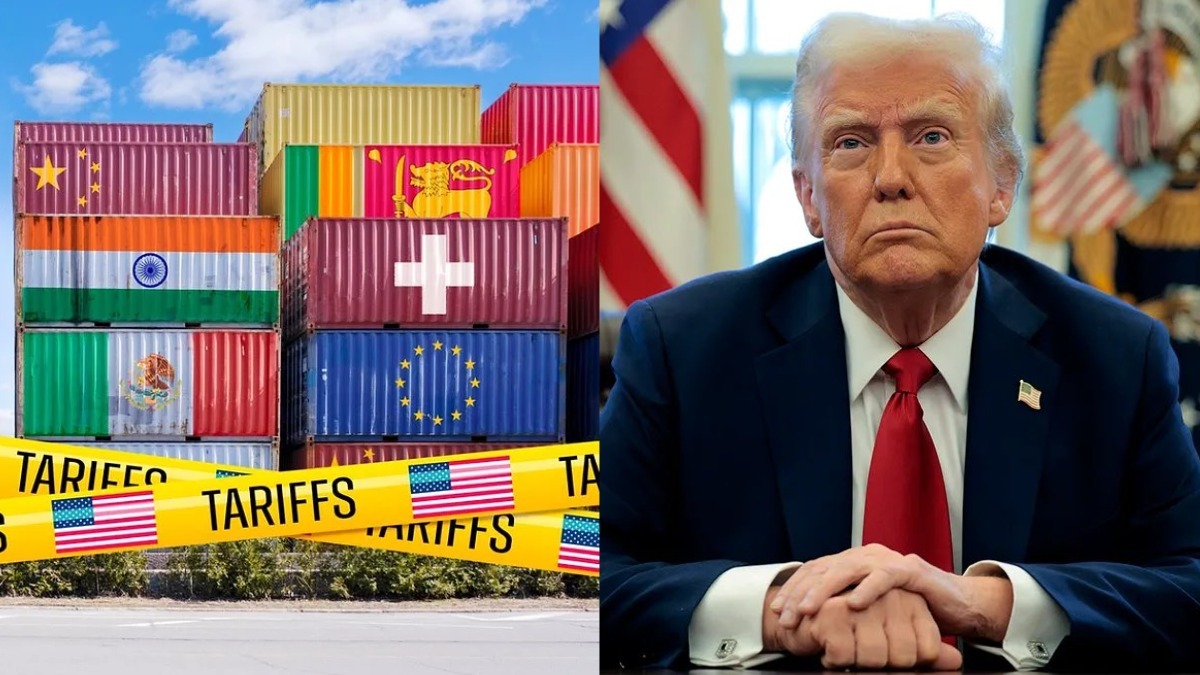
US President Donald Trump faced a major legal setback after a US federal court blocked his proposed 10% global tariff policy. The court called the move unlawful under existing trade laws. The ruling comes amid rising tensions between the United States and Iran, putting additional pressure on the Trump administration.
Trump’s global US tariffs trigger legal challenge
Trump announced the controversial US tariffs on February 24, 2026. The policy targeted almost all imported goods entering the United States. The administration claimed the tariffs would reduce America’s growing trade imbalance and protect domestic industries.
However, the announcement quickly drew criticism from businesses and several US states. Soon after, 24 American states and multiple small business groups filed lawsuits against the administration. They argued that the blanket US tariffs would hurt trade, raise consumer prices, and exceed presidential authority under federal trade laws.
Court says Tariff policy violated trade law
In a 2-1 majority ruling, the federal court said Trump’s tariff plan violated Section 122 of the Trade Act of 1974. According to the court, the law only allows temporary tariff measures for up to 150 days in specific situations. These include addressing a serious balance of payments deficit or preventing a sharp decline in the US dollar.
The judges also said the Trump administration failed to prove that the current trade deficit justified such broad US tariffs. As a result, the court struck down the 10% global tariff policy and declared it invalid.
Donald Trump reacts to court decision
Trump strongly criticized the judges who ruled against him. While visiting a renovation project in Washington, he said court decisions against his administration no longer surprised him. He also hinted that his administration could use alternative legal methods to continue imposing tariffs on trading partners.
Reports suggest that the Trump administration may now explore another trade law to maintain pressure on foreign imports through revised US tariffs.
Tariffs on steel, aluminium and automobiles remain
The court clarified that some tariffs would continue despite the ruling. These include tariffs imposed under separate legal provisions or previous Supreme Court decisions. Steel, aluminium, and automobile imports remain affected by existing tariff measures.
The US Department of Justice is expected to challenge the ruling before the US Court of Appeals. The case could lead to another major legal battle over US tariffs and America’s broader trade strategy.