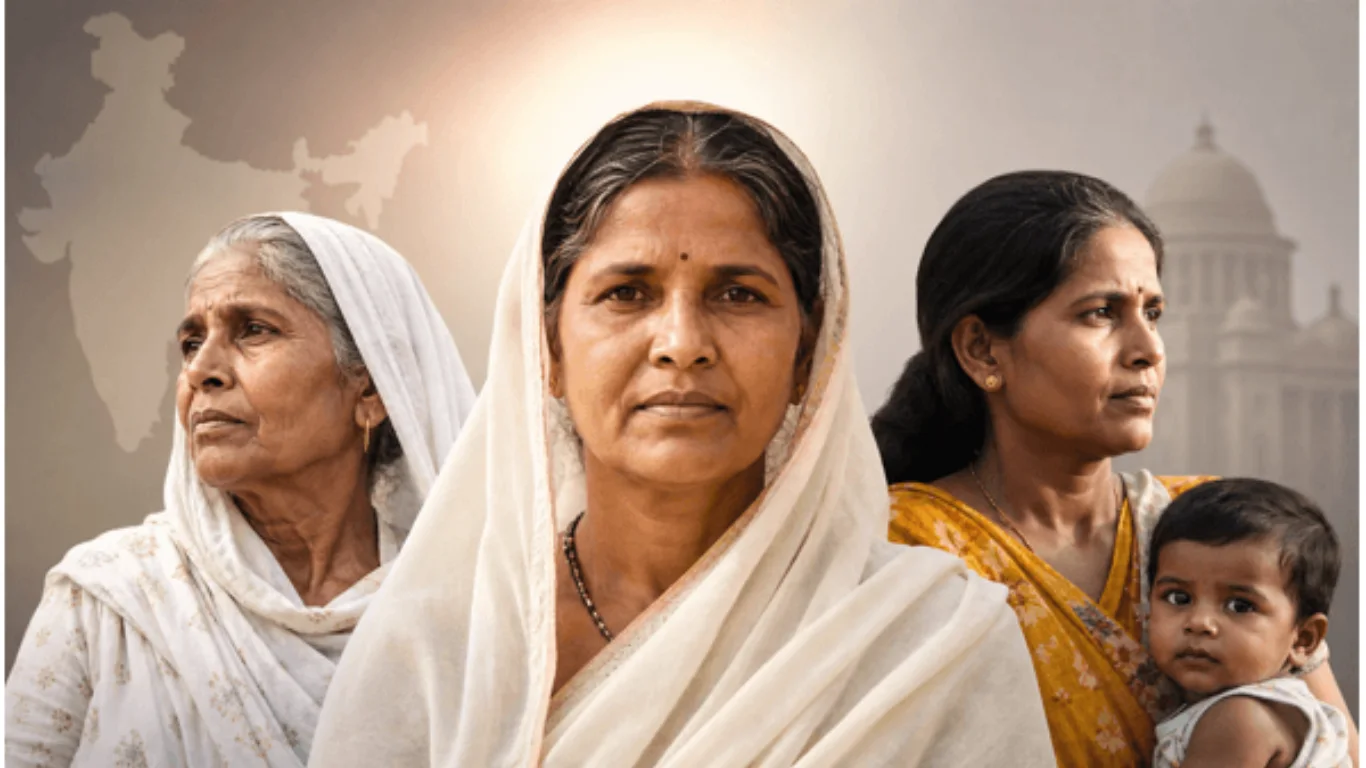
New Delhi: In this era of civilization and modernity, where humanity is searching for life on the Moon and Mars, a significant section of our society continues to live in the shadows. This section comprises widowed women. After the death of a husband, a woman not only loses her life partner but, in many societies, also loses her identity, dignity, and basic human rights. To protect the rights of this often invisible population, raise their voices on global platforms, and change society’s perception toward them, the international community observes International Widows’ Day every year on June 23.
This day is not merely about expressing sympathy. Rather, it is a reminder of our collective responsibility to ensure that widows receive the rights, dignity, opportunities, and respect they deserve in society.
History and background
The history of International Widows’ Day is closely linked to the Loomba Foundation. Raj Loomba established the foundation in memory of his mother, Pushpavati Loomba, who became a widow at a very young age in 1954. Witnessing firsthand the discrimination, hardships, and humiliation faced by widows, Raj Loomba launched International Widows’ Day in 2005 to raise awareness about their plight.
His efforts gradually attracted global attention. As a result, the United Nations General Assembly officially adopted a resolution in December 2010 recognizing the importance of addressing the challenges faced by widows worldwide. Consequently, the world observed the first official International Widows’ Day on June 23, 2011.
Challenges in the global and Indian context
According to United Nations estimates, more than 250 million widows live across the world, and millions of them face extreme poverty, malnutrition, discrimination, and social isolation. However, statistics alone do not capture the daily struggles these women endure.
In India, the situation becomes even more concerning. The country is home to millions of widowed women, many of whom reside in rural and economically disadvantaged regions. Social customs, economic dependency, and limited access to resources often make their lives more difficult.
Economic hardship and livelihood crisis
In many Indian households, the male member remains the primary breadwinner. Consequently, after his death, women often find themselves facing severe financial distress. If a widow lacks education, professional skills, or employment opportunities, managing household expenses and raising children can become an overwhelming challenge.
Moreover, many widows struggle to access credit facilities, secure stable employment, or start small businesses, making financial independence difficult to achieve.
Social stigma and mental harassment
Despite significant social progress, outdated beliefs and discriminatory practices continue to exist in several communities. Many people still consider widows “inauspicious” and discourage their participation in weddings, festivals, and other auspicious occasions.
Furthermore, societal expectations often pressure widows to wear white clothing, avoid celebrations, or lead a restricted lifestyle. Such practices can severely affect their mental health, emotional well-being, and self-confidence.
Denial of legal and property rights
Indian laws provide widows with inheritance and property rights. However, reality often differs from legal provisions. In many cases, in-laws or even relatives deny widows their rightful share of family property.
Furthermore, limited legal awareness prevents many women from asserting their rights or seeking justice through legal channels. As a result, countless widows continue to face exploitation and financial insecurity.
Government initiatives and welfare schemes
Recognizing these challenges, the Government of India and various state governments have introduced several welfare measures to support widowed women and improve their quality of life.
Indira Gandhi national widow pension scheme
Under this scheme, widows living below the poverty line (BPL) receive monthly financial assistance to help meet their basic needs and reduce economic vulnerability.
Swadhar greh scheme
This scheme provides food, clothing, shelter, counseling, and medical assistance to distressed, homeless, and vulnerable women, including widows.
Widow remarriage incentive schemes
To challenge conservative social attitudes and encourage social acceptance, several state governments offer financial incentives to couples opting for widow remarriage.
Skill development programs
The National Skill Development Mission offers vocational training opportunities that help women acquire employable skills, become self-reliant, and improve their earning potential.
The way forward
However, government schemes and legal protections alone cannot transform the lives of widows. Society must also challenge long-standing prejudices and discriminatory practices.
Education and economic independence
Education remains one of the most powerful tools for empowerment. By educating daughters and promoting financial independence, families can provide women with long-term security and resilience during difficult circumstances.
Social inclusion
Similarly, society must eliminate the harmful belief that widows are inauspicious. Communities should welcome widowed women into social, cultural, and religious events with the same respect and dignity afforded to everyone else.
Legal awareness
In addition, governments, civil society organizations, and community leaders should conduct awareness campaigns to educate women about inheritance laws, property rights, and legal remedies available to them.
Acceptance of remarriage
Finally, society must accept widow remarriage without prejudice or stigma. Every woman deserves the opportunity to rebuild her life, pursue happiness, and make personal choices free from social judgment.
Conclusion
International Widows’ Day is not merely a date on the calendar; it is a mirror reflecting the values of our society. The loss of a husband is a deeply personal and emotional tragedy, and society should not turn that loss into a lifelong punishment.
Widowed women do not need pity or sympathy. Rather, they need dignity, security, employment opportunities, equal rights, and meaningful participation in society. Ultimately, we will fulfill the true purpose of International Widows’ Day only when we stop viewing widows as helpless individuals and begin recognizing them as independent, capable, and respected citizens.