Delhi and Bihar identified over 99,000 TB cases through large-scale screening drives. Know what the figures reveal about hidden TB cases and active screening.
New Delhi/Patna: As India continues its efforts to eliminate tuberculosis (TB), recent screening data from Delhi and Bihar has highlighted the scale of the public health challenge. More than 99,000 TB cases were identified during special screening campaigns in the two states.
Delhi detected 12,078 TB cases during a 42-day intensive screening drive. Bihar identified 87,623 cases during a statewide campaign that lasted nearly six weeks. In Bihar, more than 2.36 crore people were screened. This was more than twice the original target of one crore.
However, these figures do not necessarily indicate a sudden rise in new TB infections. The campaigns focused on active case finding. This approach aims to identify people with undiagnosed TB. It also includes those with few or no obvious symptoms and those who have not yet sought medical care.
Bihar Identifies More Than 87,000 TB Cases
Bihar conducted its statewide TB screening and testing campaign from July 2 to August 14, 2026. The health department had initially set a target of screening one crore people, but health workers eventually reached more than 2.36 crore people.
During the campaign, 87,623 TB cases were identified.
According to Anupama Singh, Additional Executive Director of the State Health Society, Bihar, 21,550 of those identified had no obvious symptoms of TB. This highlights the importance of active screening because a symptoms-based approach alone could leave many cases undetected.
The state health department also reported that 74,871 patients were assessed for differentiated TB care during the campaign.
Bihar has also expanded its diagnostic infrastructure. The state currently has 491 digital X-ray machines, including 140 AI-powered ultraportable handheld X-ray machines.
Such portable technology can be particularly useful in areas where people face difficulties travelling to major hospitals or diagnostic centres. Healthcare workers can use portable X-ray systems to screen people within their communities and refer suspected cases for further testing and treatment.
12,078 TB Cases Detected in Delhi
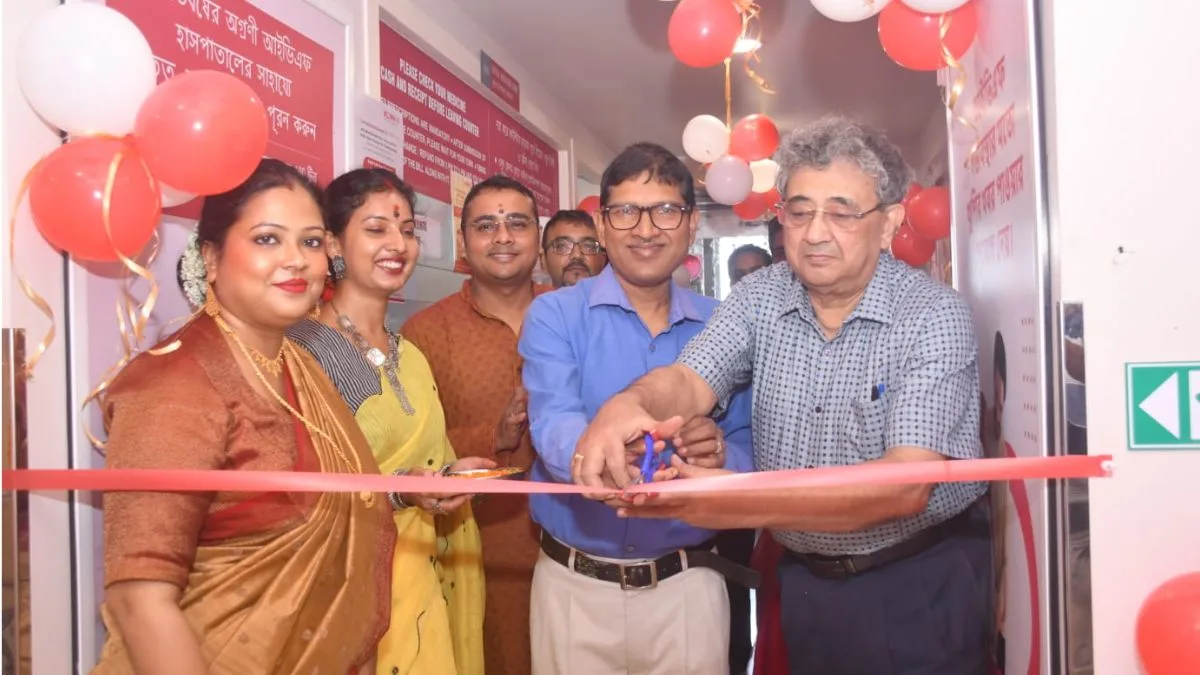
Delhi had earlier conducted a large-scale active TB screening campaign between March 24 and May 5, 2026. During the 42-day campaign, 12,078 TB cases were identified.
The screening drive focused particularly on high-risk areas and vulnerable communities, including densely populated settlements and other locations where the risk of TB transmission may be higher.
Portable X-ray technology was also used to reach people who might not normally visit healthcare facilities for screening.
Another important feature of Delhi’s figures was the proportion of extrapulmonary TB cases. According to available health department data, around 42% of the detected cases were extrapulmonary TB, meaning the disease was identified outside the lungs.
This is significant because TB is often associated primarily with pulmonary disease. However, Mycobacterium tuberculosis can affect several parts of the body, including the lymph nodes, bones, kidneys and other organs.
Why Are Asymptomatic Cases Important?
The identification of 21,550 people without clear TB symptoms in Bihar is one of the most significant findings from the screening campaign.
TB is commonly associated with symptoms such as persistent cough, fever and weight loss. However, not every patient develops the same symptoms, particularly in the early stages or when the disease affects parts of the body other than the lungs.
According to the World Health Organization (WHO), common symptoms of TB can include a prolonged cough, sometimes with blood, chest pain, weakness, fatigue, weight loss, fever and night sweats.
Symptoms can vary depending on the individual and the part of the body affected. This makes it difficult to identify every case through a conventional symptoms-based approach alone.
This is where active TB screening becomes important. Instead of waiting for people to visit hospitals after developing noticeable symptoms, healthcare workers actively search for potential cases within communities.
How Does TB Spread?
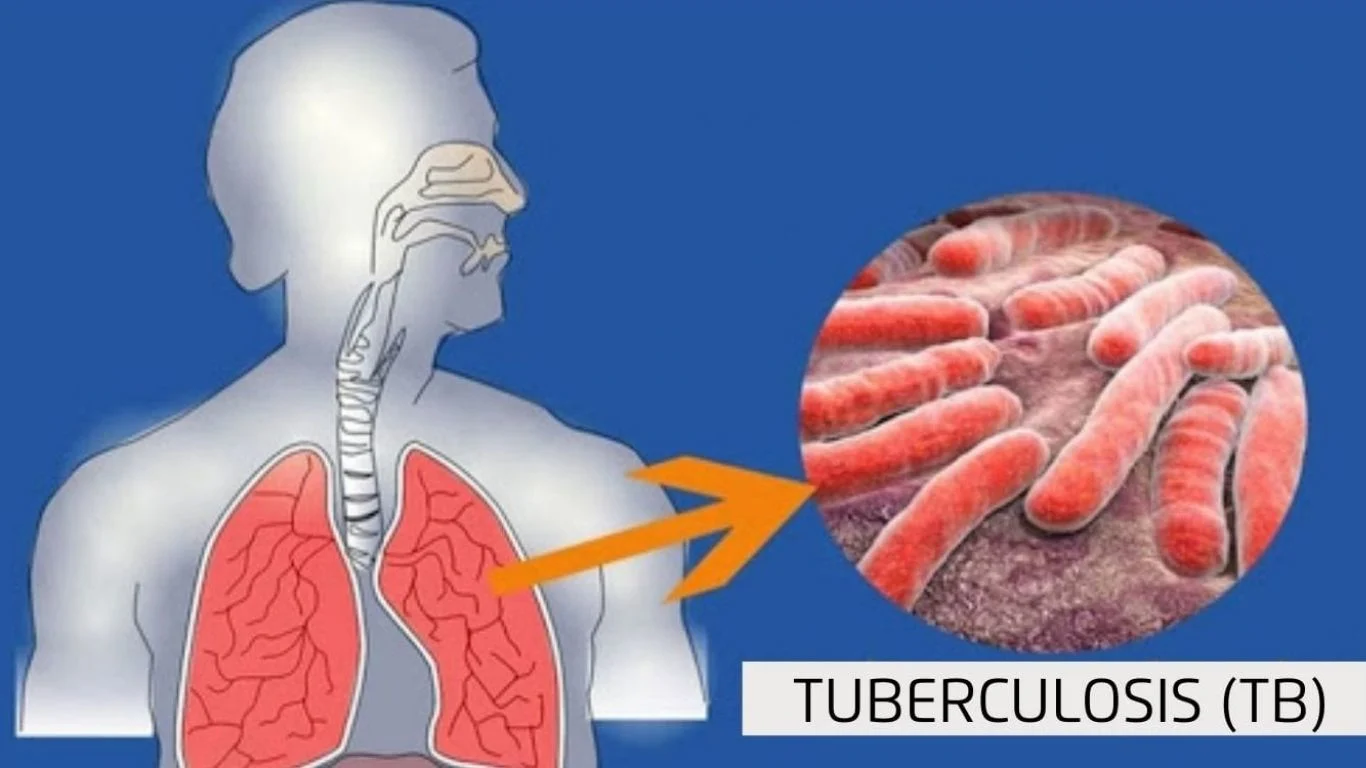
Tuberculosis is a bacterial infectious disease caused primarily by Mycobacterium tuberculosis. It most commonly affects the lungs.
When a person has active pulmonary TB, the bacteria can spread through the air when they cough, sneeze or speak. However, being in contact with someone with TB does not automatically mean that infection will occur.
The risk depends on several factors, including the type of TB the infected person has, the duration and nature of exposure, and environmental conditions.
TB Remains a Major Challenge for India
India has strengthened its efforts to eliminate TB through improved diagnosis, treatment, active case finding and community-based interventions. Despite these efforts, the country’s large population and social and economic inequalities continue to make TB a major public health challenge.
Globally, TB continues to cause a significant number of illnesses and deaths. The WHO estimates that thousands of people die from TB every day, while tens of thousands develop the disease.
At the same time, TB is preventable and curable. Timely diagnosis and appropriate treatment can help patients recover and reduce the risk of transmission.
This is why the importance of the Delhi and Bihar screening figures goes beyond the number of cases detected. They demonstrate how active case finding can help identify people who might otherwise remain outside the routine healthcare system.
Why Active Screening Matters
Under a traditional healthcare model, people generally seek medical attention after developing symptoms. However, this approach may not be sufficient for diseases such as TB, where some patients can remain undiagnosed for an extended period.
As a result, public health programmes are increasingly focusing on active screening and community-based case finding.
The campaigns in Delhi and Bihar demonstrate how taking healthcare services directly into communities can uncover previously undetected cases.
In Bihar, screening more than 2.36 crore people resulted in the identification of tens of thousands of cases. In Delhi, targeted screening in high-risk communities helped identify thousands more.
Such strategies can be particularly important for people who face economic, social or geographical barriers to accessing healthcare services.
Why Completing TB Treatment Is Critical
TB can be treated successfully, but patients must follow the treatment regimen prescribed by healthcare professionals and complete the full course of medication.
Stopping treatment prematurely or taking medicines irregularly can make TB more difficult to control and increase the risk of drug-resistant TB.
Therefore, identifying patients is only the first step. Effective TB control also requires timely treatment initiation, adherence, follow-up and appropriate screening of people who may have been exposed to the infection.
What Do the Delhi and Bihar Figures Tell Us?
The identification of 12,078 cases in Delhi over 42 days and 87,623 cases in Bihar during its six-week campaign sends an important public health signal. However, these figures do not scientifically prove that TB infections have suddenly increased.
Specialised screening campaigns produced these figures by actively searching for TB cases, including infections that routine healthcare services might have missed. The numbers clearly show why health authorities must continue actively finding cases to identify people with hidden or previously undiagnosed TB.
Bihar’s campaign screened more than 2.36 crore people, while Delhi focused on high-risk communities. These efforts show how community-based screening can help health authorities better understand the disease burden and identify cases that might otherwise remain undetected.
The next priority is to ensure that every person diagnosed receives timely treatment. Health authorities must also screen people who have had close contact with TB patients and continue providing diagnostic and healthcare services to high-risk communities.
The recent screening drives in Delhi and Bihar have delivered a clear message: when people cannot reach the healthcare system, the healthcare system must reach them. Active screening and early diagnosis remain among India’s most important tools in its ongoing effort to eliminate TB.