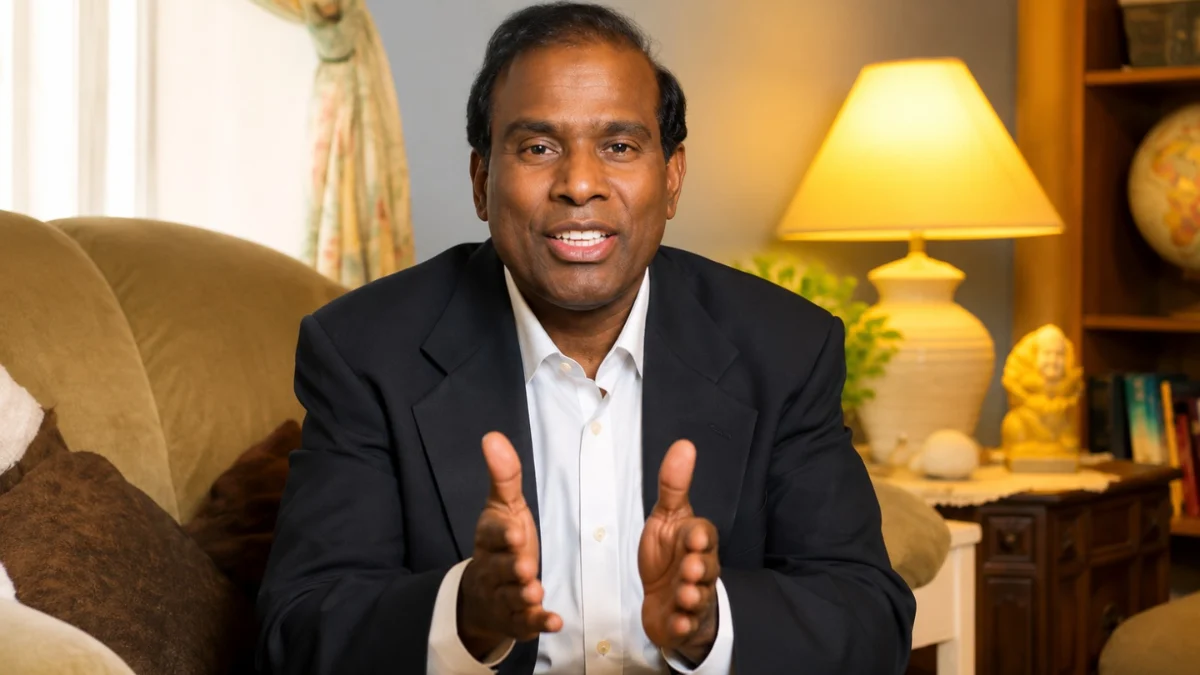
The Namaha Calendar promises a 360-day year and fixed dates, ending leap year chaos for good.
New Delhi: For centuries, the world has followed the Gregorian calendar—a system that fixed the Julian calendar but left months uneven, leap years confusing, and timekeeping imperfect. But now, a young Indian innovator is proposing a radical idea that could change how we track every day of the year.
Meet Namaha, a researcher from Ghaziabad, whose groundbreaking invention—the Namaha Calendar—aims to simplify timekeeping worldwide. And yes, under his system, February might finally get its 30th day.
A Calendar That Makes Sense
- 360 Days, 12 Equal Months
The Namaha Calendar divides the year into 12 months of exactly 30 days. Gone are the irregular month lengths and unpredictable leap years. Every month is neat, predictable, and perfectly balanced—a dream for planners, businesses, and anyone tired of checking the calendar constantly.
- 61-Second Minutes
To align a 360-day year with Earth’s 365.25-day orbit, Namaha proposes a clever adjustment: each minute would last 61 seconds. A small tweak with a massive impact, keeping our clocks synced perfectly with the solar year.
- Fixed Dates for Festivals and Birthdays
Imagine celebrating your birthday, Diwali, Eid, or Christmas on the exact same date every year. The Namaha Calendar promises reliable, consistent dates, making life simpler for everyone.
Why the Namaha Calendar Matters
“When the Gregorian calendar was created, it suited the 16th century,” Namaha explains. “But today, in a connected, digital world, we need a calendar that is predictable, simple, and globally coordinated.”
From business meetings and school schedules to software updates and app development, irregular months and leap years create unnecessary confusion. Namaha’s 360-day year with 61-second minutes could streamline planning, reduce inefficiencies, and even save energy in digital systems.
Taking It to the World
- Scientific Validation: Astronomers and physicists will test the 61-second minute for precision.
- Global Advocacy: The calendar could be proposed to the UN and ISO for international recognition.
- Pilot Programs: Smart devices and apps may experiment with the new system.
- Public Awareness Campaigns: Media and educational initiatives will help people adapt.
Could Humanity Embrace a New Calendar?
It may sound bold, but humans have historically adapted to revolutionary ideas. Just as the Gregorian calendar unified timekeeping centuries ago, the Namaha Calendar could be the next leap forward in measuring time.
Online chatter is already growing, with memes about “61-second coffee breaks” and “eternal weekends.” One thing is clear: Namaha’s calendar isn’t just a new way to mark dates—it’s sparking a global conversation about the future of time itself.