
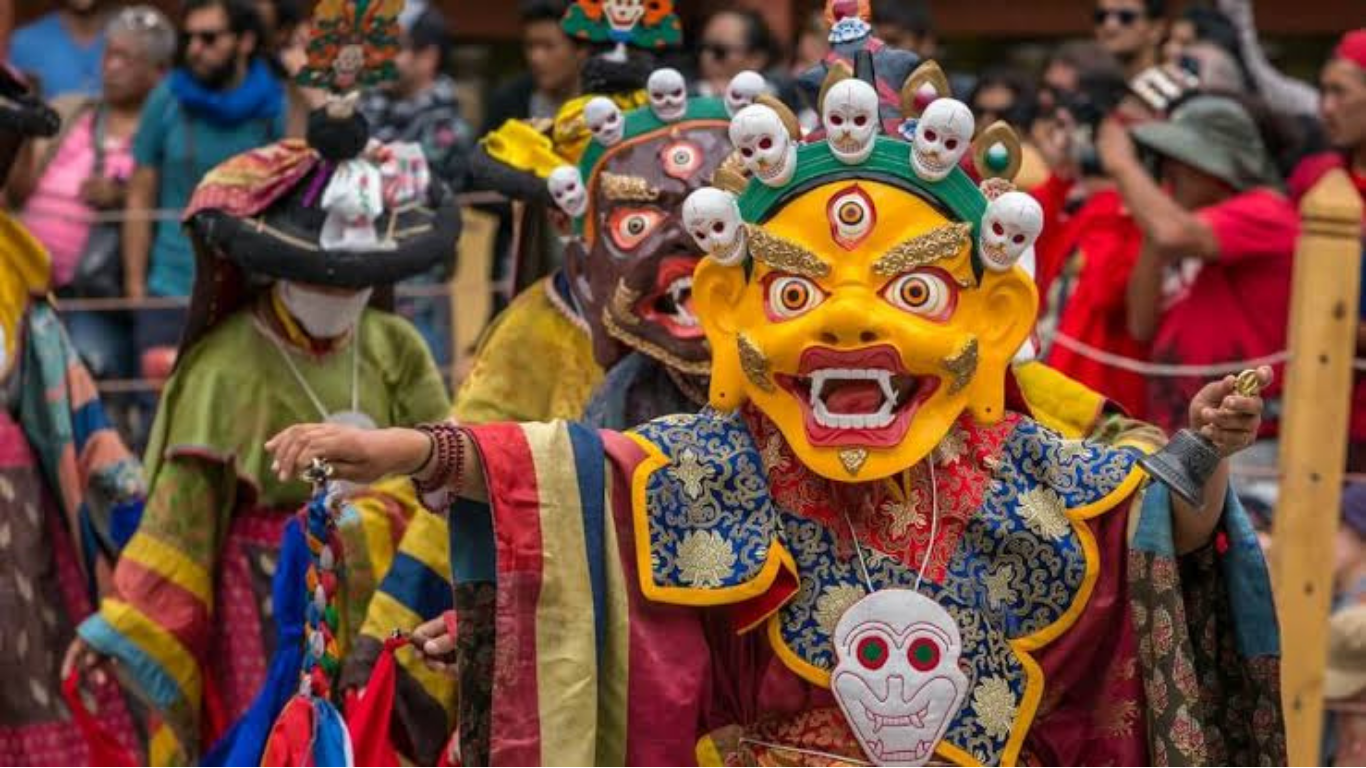
New Delhi: Located at the northernmost edge of India, Ladakh is world-famous for its snow-capped mountain ranges, serene lakes, and ancient Buddhist monasteries. One of the most remarkable expressions of its cultural and spiritual heritage is the Hemis Festival, which is held every year at the renowned Hemis Monastery. In 2026, the festival is being celebrated on June 24 and 25. More than just a religious event, it is a unique confluence of Buddhist philosophy, local culture, history, and art.
A Festival Dedicated to Guru Padmasambhava
The Hemis Festival is celebrated in honor of the birth anniversary of Guru Padmasambhava (Guru Rinpoche), one of the most revered figures in Buddhism. During the 8th century, Guru Padmasambhava played a crucial role in spreading Vajrayana Buddhism across Tibet and the Himalayan region. In Buddhist tradition, he is often referred to as the “Second Buddha.”
It is believed that he subdued negative forces and paved the way for spirituality and the teachings of Buddhism. For this reason, the Hemis Festival is observed in his honor and remembrance.
Historical Significance of Hemis Monastery
Located approximately 45 kilometers from Leh, the capital of Ladakh, Hemis Monastery is considered the largest and wealthiest Buddhist monastery in the region. It was established in the 17th century during the reign of King Sengge Namgyal. The monastery serves as a major center of the Drukpa Kagyu tradition and houses centuries-old religious scriptures, murals, statues, and rare artifacts.
Hemis Monastery is not only significant from a religious perspective but is also regarded as a symbol of Ladakh’s cultural identity. Every year, thousands of devotees, researchers, photographers, and tourists visit the monastery.
Also read: Religion on Social Media: Is Gen Z Finding Faith or Just Performing It?
Cham Dance: A Symbol of Good Triumphing Over Evil
The most captivating and celebrated aspect of the Hemis Festival is the Cham Dance. During this traditional sacred performance, Buddhist monks wear colorful silk robes and elaborate masks while performing ritual dances. These masks represent various deities, protectors, and spiritual beings.
Cham Dance is not merely a form of entertainment; it is a symbolic representation of Buddhist philosophy and spiritual teachings. Through the dance, the message conveyed is that truth and goodness ultimately prevail over negativity and evil forces. The rhythmic sounds of drums, cymbals, and traditional musical instruments make the performance even more mystical and mesmerizing.
Thangka Display and Religious Rituals
Hemis Monastery preserves a massive Thangka, a sacred religious painting created on silk, depicting Guru Padmasambhava. A particularly significant giant Thangka is displayed for public viewing once every 12 years. Although the next grand exhibition will take place in 2028, visitors in regular years can still witness several important Thangkas and religious artworks.
During the festival, chanting sessions, prayer gatherings, and special religious ceremonies are conducted. These events provide devotees and visitors with an opportunity to experience spiritual peace and gain deeper insight into Buddhist culture.
A Celebration of Local Culture
The Hemis Festival extends beyond the monastery grounds and becomes a vibrant expression of Ladakhi society and culture. Local residents participate in the festivities dressed in traditional attire. Women adorn themselves with elaborate jewelry and cultural garments, while men also wear traditional costumes.
Visitors can explore local handicrafts, traditional cuisine, and various cultural activities at the festival venue. The event offers tourists a valuable opportunity to understand Ladakh’s lifestyle, customs, and social traditions up close.
Impact on Tourism and the Local Economy
The Hemis Festival is considered highly significant for Ladakh’s tourism industry. June is one of the peak tourist seasons, and thousands of domestic and international visitors travel to the region during this time. This influx provides substantial economic benefits to hotels, transportation services, handicraft businesses, and local traders.
However, increasing tourism also brings environmental challenges. Experts believe that promoting sustainable and responsible tourism is essential in a sensitive Himalayan region like Ladakh to ensure the preservation of its natural and cultural heritage.
Hemis Festival: Where Tradition Meets the Future
The Hemis Festival is much more than a religious celebration—it is a living festival of history, culture, art, and spirituality. Inspired by the teachings of Guru Padmasambhava, the event continues to attract thousands of people from around the world. Its colorful masks, traditional dances, sacred rituals, and unique glimpse into Ladakhi culture make it one of India’s most distinctive festivals.


