Explosions in Tel Aviv leave 6 injured while global markets react sharply to rising Iran-Israel tensions
US-Israel-Iran War: The conflict between Iran and Israel has intensified once again. This time, fresh missile attacks targeted major Israeli cities, including Tel Aviv. According to Israeli emergency services, at least 6 people were injured after Iranian missiles hit central areas. As a result, buildings and vehicles were damaged, and panic spread among civilians.
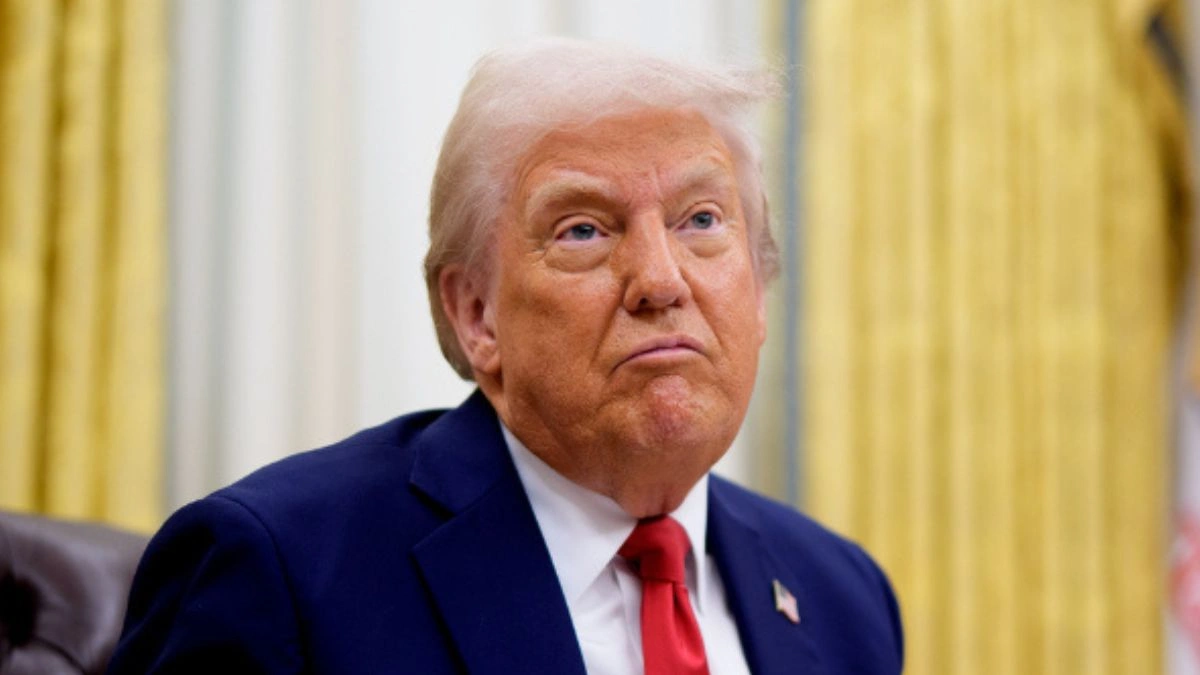
At the same time, confusion over possible diplomatic talks has made the situation even more tense. Donald Trump said that the United States had “very good” talks with an Iranian official. However, Iranian authorities quickly denied this claim and called it misleading.
Table of contents
- Explosions in Tel Aviv leave 6 injured while global markets react sharply to rising Iran-Israel tensions
- Missile Strikes Create Panic in Tel Aviv
- Attacks Spread Across Israel
- Israel Decides to Continue Military Action
- Trump’s Statement on Talks Adds Confusion
- Global Markets Feel the Impact
- How the Conflict Began
- Conclusion
Missile Strikes Create Panic in Tel Aviv
Iran launched several waves of ballistic missiles toward Israel in the latest escalation. Although Israel’s advanced air defense systems intercepted many of them, some missiles still managed to hit urban areas.
In Tel Aviv, one missile carried a heavy explosive payload and caused serious damage to buildings and vehicles. Immediately after the attack, emergency teams reached the spot, treated the injured, and checked the damage.
Fortunately, no deaths were reported in this particular strike. However, repeated missile attacks have increased fear among residents. Sirens and explosions continue to disturb daily life, and people are forced to take shelter again and again.
Attacks Spread Across Israel
At the same time, the Tel Aviv strike is not an isolated incident. Instead, it is part of a larger pattern of Iranian attacks across Israel. Since the conflict began in late February 2026, thousands of people have been injured, and many areas, including residential neighborhoods and important locations, have been targeted.
Earlier, strikes in southern Israel injured around 200 people near key facilities. This clearly shows how serious and widespread the situation has become.
In addition, Iran has used advanced weapons like cluster munitions. These weapons release multiple smaller explosives, which makes them harder to intercept and more dangerous for civilians. Because of this, they have raised major humanitarian concerns.
Israel Decides to Continue Military Action
Despite talks of possible diplomacy, Israel has clearly stated that it will continue its military operations.
Israeli Prime Minister Benjamin Netanyahu has said that Israel will keep targeting Iran’s missile systems, nuclear infrastructure, and allied militant groups.
Also Read: Trump Pauses Iran Strikes for 5 Days: Know Here!
Meanwhile, Israeli forces have also expanded their operations beyond Iran. They have carried out strikes in Lebanon against Hezbollah positions. This shows that the conflict is slowly spreading across the region.
Trump’s Statement on Talks Adds Confusion
On the other hand, Donald Trump made a surprising statement about diplomacy. He said that the United States had held “productive” or “very good” talks with Iranian officials. He also mentioned that the U.S. would pause planned attacks on Iran’s energy infrastructure for five days.
However, Iran strongly rejected these claims. Iranian officials clearly stated that no direct talks had taken place and even called Trump’s statement “fake news.”
Because of this contradiction, confusion has increased in the international community. Now many people are questioning whether any real diplomatic efforts are actually happening.
Global Markets Feel the Impact
At the same time, the war has started affecting global markets, especially oil prices. Initially, when Trump spoke about possible talks, oil prices fell and stock markets improved.
However, soon after Iran denied the talks and resumed missile attacks, oil prices increased sharply again. In some cases, they even crossed the $100 per barrel mark.
Moreover, tensions around the Strait of Hormuz, which is a key route for global oil supply, have made the situation worse. This has increased fears of a possible global energy crisis.
How the Conflict Began
To understand the situation better, it is important to look at how this conflict started. The current war began on February 28. On that day, the United States and Israel carried out joint strikes on Iran, targeting its nuclear and military infrastructure.
In response, Iran launched a large-scale retaliation using missiles and drones against Israel and other regional targets.
Since then, both sides have continued attacking each other. As a result, there has been major destruction and many casualties across different regions. Also, the involvement of regional allies has made the situation more complex and dangerous.
Also Read: Manoj Sharma Conducts PR Masterclass at DME Media School, Highlights Strategic Communication
Conclusion
Overall, the latest Iranian missile strikes on Tel Aviv, which injured several people, clearly show that the Iran-Israel conflict is far from ending. While military actions continue from both sides, conflicting statements about peace talks have created uncertainty.
As tensions rise and global markets react, the situation remains highly unstable. Therefore, the coming days will be very important in deciding whether diplomacy can reduce the conflict or whether it will escalate even further.
Estimated reading time: 4 minutes