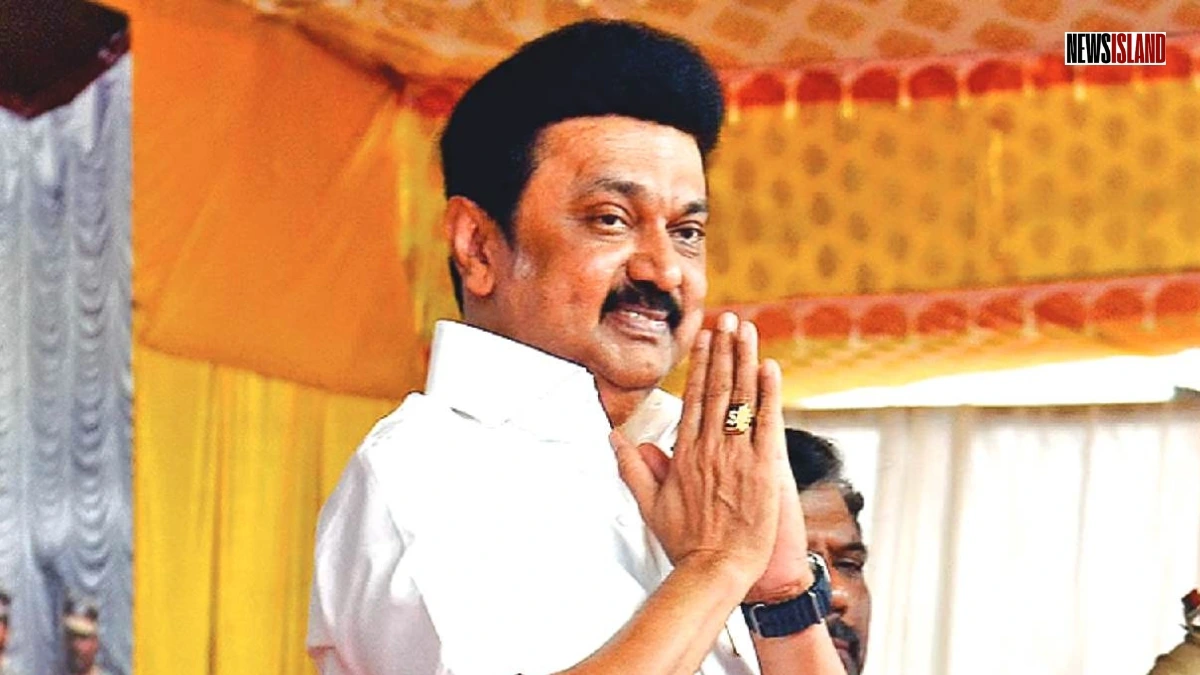
Tamil Nadu CM MK Stalin sharply criticises PM Narendra Modi for comparing the West Asia crisis to COVID-19, as LPG shortages spark panic buying, long queues, and black-marketing across the country. Here’s what’s really happening.
New Delhi: In a strong political attack, Tamil Nadu Chief Minister M.K. Stalin has accused Prime Minister Narendra Modi of shifting the blame onto citizens instead of solving the ongoing LPG shortage crisis.
Stalin reacted angrily to Modi’s recent remarks in Parliament and during a rally in Tamil Nadu, where the Prime Minister asked people to “prepare and stay united” just as they did during the COVID-19 pandemic.
“Preparedness cannot be outsourced to the people,” Stalin wrote on X (formerly Twitter) on March 24. “Prepared for what — leadership, or its absence? Who is expected to be prepared — the Union government or the people of the country?”
What Triggered the LPG Crisis?
The current shortage stems from escalating tensions in West Asia. The closure and blockade of the Strait of Hormuz — a critical route for global oil and LNG shipments — has badly hit India’s cooking gas imports.
India imports about 60% of its LPG needs, and until recently, nearly 90% of these imports came from the Middle East through this route. In the week ending March 19, LPG imports fell sharply to just 265,000 metric tonnes, with the Gulf’s share dropping to only 34%.
Although the government is now sourcing LPG from the US, Norway, Canada, Russia, and West Africa, and ramping up domestic production, the sudden disruption has caused widespread panic.
Ground Reality: Queues, Black-Marketing & Business Pain
Reports from several states show long queues at LPG distributors, panic buying, and cases of black-marketing. In some places, cylinders are reportedly being sold at inflated prices of up to ₹500 per kg.
Restaurants, hotels, and cloud kitchens have started switching to electric stoves or reducing operations. Small businesses and migrant workers, especially those who received free LPG connections under the Ujjwala scheme, are among the worst affected.
While the Centre insists there is no nationwide shortage and household supply remains the top priority, the visible distress has created a sense of crisis on the ground.
Stalin’s Letter & Tamil Nadu’s Response
On March 10-11, Stalin wrote a detailed letter to Prime Minister Modi highlighting the urgent need for uninterrupted LPG supply in Tamil Nadu, which requires around 200,000 metric tonnes every month. He also sought help for Tamils stranded in Gulf countries and a review of natural gas allocation for power plants ahead of summer.
When there was no immediate response from the Centre, Tamil Nadu announced its own relief package on March 14. This includes:
₹2 per unit electricity subsidy for hotels and kitchens switching to electric stoves
Subsidised loans for MSMEs to buy new equipment
Fast-tracked clearances for industries changing fuels
Stalin presented this as the state government stepping up where the Centre had failed.
Opposition Joins the Attack
Other opposition leaders have also criticised the Modi government. Congress leaders and West Bengal Chief Minister Mamata Banerjee have raised similar concerns, with some parties even organising protests using symbolic empty gas cylinders.
Centre’s Stand: “Situation is Under Control”
The Petroleum Ministry has described the issue as a “temporary distribution hiccup” rather than a full-blown shortage. The government people say that the country is now making more of its stuff at home and it is also getting things from more countries, forty one countries, which is a lot more, than the twenty seven countries it used to get things from.
The government people also want to make sure that people have the things they need at home.
Officials also highlight how India has built reserves of essential resources like food and water. The country is actively exploring new supply channels to ensure people can access necessities without difficulty. The government has increased domestic production, expanded import sources from 27 to 41 countries, and continues to prioritise household supply protection.
They also highlight that India has built strategic reserves and is actively working on alternative routes to ease the pressure.
India’s Energy Security Challenge
Beyond the crisis, the LPG shortage exposes India’s heavy reliance on imported energy. It also highlights risks from global geopolitical tensions.
The Modi government has repeatedly emphasised “Atmanirbhar Bharat” (self-reliant India) in the energy sector. The government has tried to diversify over the past decade. However, critics say the pace has been too slow. As a result, citizens still face repeated crises.
As of March 25, 2026, the situation remains fluid. Imports through alternative routes are slowly recovering, and panic buying has eased in some areas. The government is using the MyLPG.in portal and local campaigns to reassure people.
However, the political battle is far from over. With state elections approaching, the debate over leadership and preparedness is likely to intensify in the coming weeks.
For now, millions of Indian households are simply hoping their next LPG cylinder arrives on time — war or no war.