Israel signals possible Netanyahu-Aoun talks amid rising tensions; Lebanon denies any contact as war with Hezbollah continues and diplomatic efforts intensify
Estimated reading time: 4 minutes
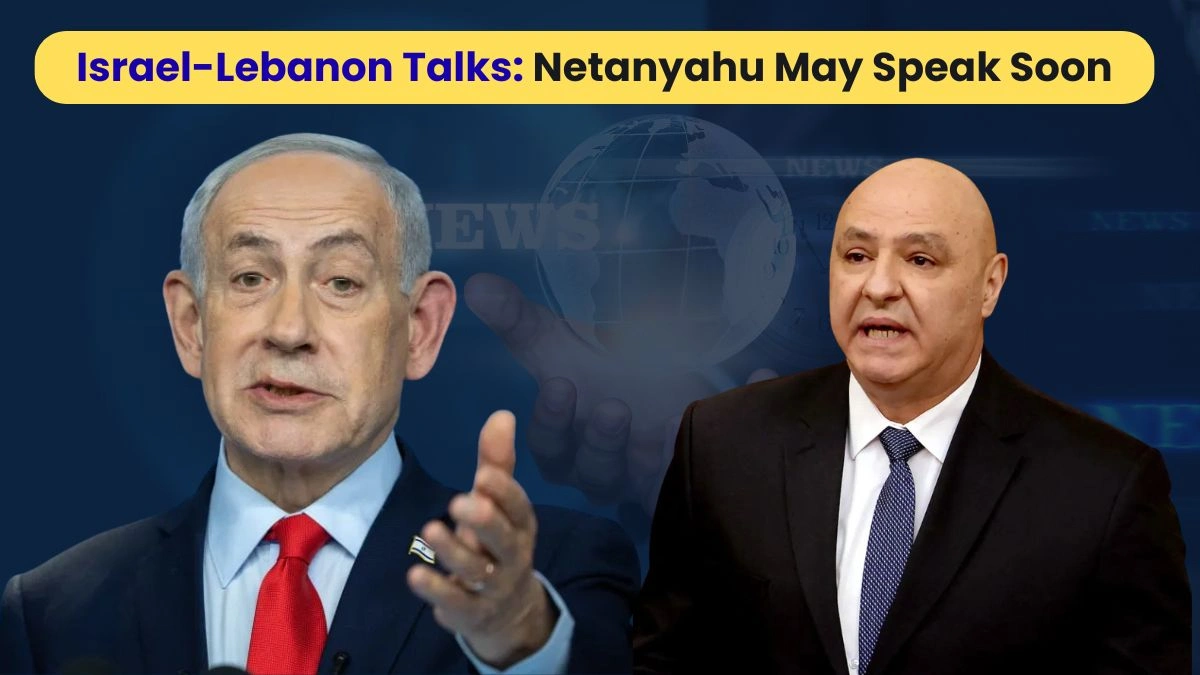
Israeli security cabinet Minister Galia Gamliel has said that Israeli Prime Minister Benjamin Netanyahu may soon speak with Lebanese President Joseph Aoun, according to Israeli media reports.
The possible conversation comes at a time when tensions between Israel and Lebanon remain high due to ongoing fighting involving Hezbollah. Israeli officials see the expected talks as part of diplomatic efforts to reduce tensions and open negotiations between the two countries.
Table of contents
- Israel signals possible Netanyahu-Aoun talks amid rising tensions; Lebanon denies any contact as war with Hezbollah continues and diplomatic efforts intensify
- Lebanon Says No Contact Confirmed
- Rare Direct Communication Between Israel and Lebanon
- Netanyahu Earlier Called for Direct Negotiations
- Lebanon Wants Ceasefire First
- Conflict Between Israel and Hezbollah Continues
- Rising Casualties and Humanitarian Concerns
- U.S.-Mediated Talks Already Held
- Hezbollah Opposes Negotiations
- Continued Military Escalation
- Outlook
Lebanon Says No Contact Confirmed
However, Lebanese officials have said they are not aware of any planned call between Benjamin Netanyahu and Joseph Aoun. Two Lebanese official sources said there is no confirmed information about any expected contact.
This means Israeli officials suggested talks may happen, but Lebanon has not officially confirmed the development. The situation therefore remains uncertain.
Rare Direct Communication Between Israel and Lebanon
Israel and Lebanon do not have formal diplomatic relations. Direct communication between leaders of both countries is extremely rare and has not happened at a high level for decades.
Because of this, reports of a possible conversation between Netanyahu and Joseph Aoun have drawn international attention. Recent developments suggest both sides may be exploring diplomatic options amid rising tensions.
Netanyahu Earlier Called for Direct Negotiations
Earlier, Prime Minister Benjamin Netanyahu said Israel is ready to begin direct peace talks with Lebanon as soon as possible. He instructed officials to start negotiations focusing on:
- Disarming Hezbollah
- Strengthening border security
- Reducing military tensions
- Establishing long-term peace arrangements
Netanyahu made these remarks after increased fighting and growing international pressure to prevent a wider conflict.
Lebanon Wants Ceasefire First
Lebanon has shown willingness for diplomacy but emphasized that a ceasefire should come first before formal negotiations begin. Lebanese officials stressed that stopping violence is necessary before talks move forward.
Lebanon’s priorities include:
- Immediate ceasefire
- Reducing military escalation
- Diplomatic negotiations
- Protection of Lebanese sovereignty
Lebanon has also called for international mediation to help reduce tensions.
Conflict Between Israel and Hezbollah Continues
The possible talks come during ongoing fighting between Israel and Hezbollah. The conflict intensified after Hezbollah launched attacks earlier this year, leading to Israeli military operations in southern Lebanon.
Recent developments include:
- Israeli airstrikes in southern Lebanon
- Rocket attacks into northern Israel
- Cross-border clashes
- Civilian displacement
- Rising fears of wider regional conflict
Benjamin Netanyahu also said Israel will continue military operations while diplomatic efforts continue.
Rising Casualties and Humanitarian Concerns
The ongoing conflict has caused heavy casualties and displacement. Reports indicate:
- More than 2,000 people killed in Lebanon
- Over 1.2 million people displaced
- Continued cross-border attacks
- Growing humanitarian crisis
These developments have increased pressure for diplomatic solutions.
U.S.-Mediated Talks Already Held
The United States recently hosted rare talks between Israeli and Lebanese officials. These discussions marked one of the first diplomatic engagements between the two sides in decades.
The talks focused on:
- Ceasefire possibilities
- Border security
- Hezbollah’s role
- Long-term peace arrangements
Officials described the discussions as positive but said no final agreement was reached. More talks are expected.
Hezbollah Opposes Negotiations
Hezbollah has rejected negotiations with Israel. A Hezbollah lawmaker said the group wants:
- A ceasefire first
- Israeli forces to withdraw
- Displaced civilians to return to their homes
- This stance shows that reaching a diplomatic solution remains difficult.
Continued Military Escalation
Despite diplomatic efforts, the war continues. Reports say:
- Israeli airstrikes are continuing in southern Lebanon
- Hezbollah is firing rockets into Israel
- Civilian casualties are increasing
- Humanitarian concerns are growing
International leaders and the United Nations have urged both Israel and Lebanon to ease tensions and move toward negotiations to prevent further escalation.
Outlook
The possibility of a conversation between Benjamin Netanyahu and Joseph Aoun indicates growing diplomatic efforts between Israel and Lebanon. However, Lebanon has not confirmed any planned contact, keeping the situation uncertain.
As the war continues and casualties rise, international pressure is increasing on both sides to find a diplomatic solution. The coming days will be important in determining whether Israel and Lebanon begin direct talks or continue military confrontation.
Also Read Below: