
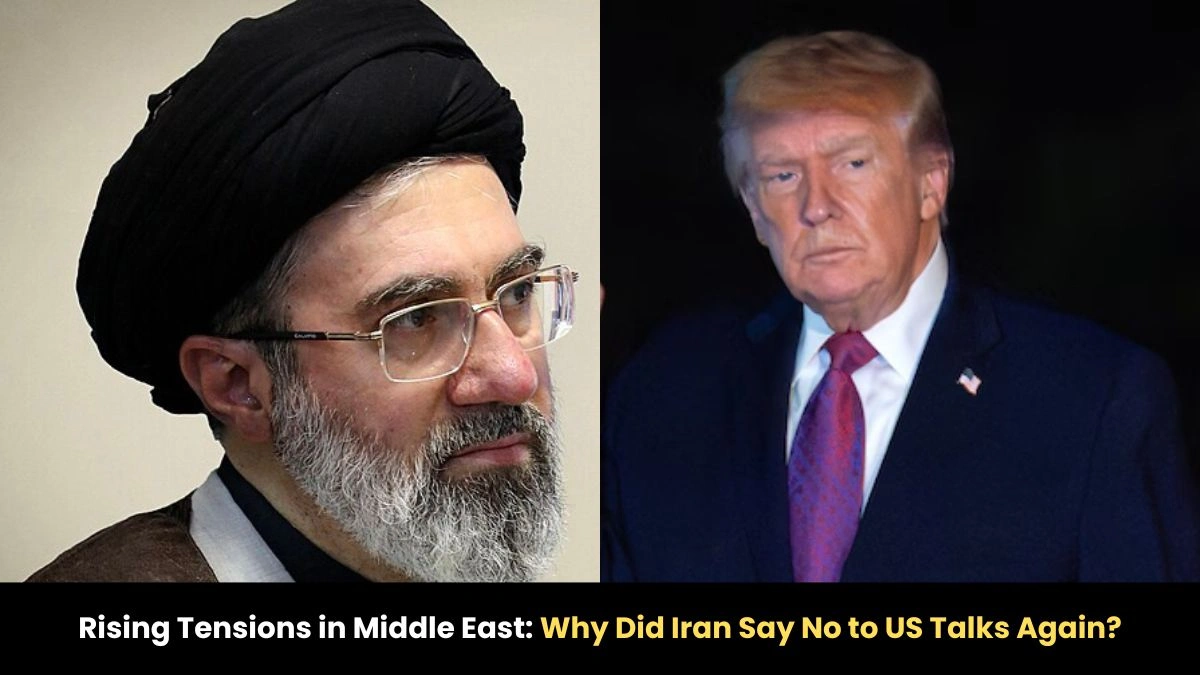
Iran rejects second round of US talks before April 22 ceasefire, citing naval blockade, ship seizure, and US demands, raising fears of rising Middle East tensions
Iran has refused to take part in a second round of talks with the United States, raising tensions just days before the Middle East ceasefire is set to end on April 22, 2026. Iran’s state media reported that the country is not planning to join any new negotiations with Washington.
According to Islamic Republic News Agency, reports claiming that Iran agreed to attend talks in Islamabad are false. Iranian officials said that Tehran never confirmed participation in such discussions.
This development came after Donald Trump ordered US negotiators to travel to Pakistan for another round of talks. In response, Iran accused the United States of announcing negotiations publicly to pressure Tehran before the ceasefire deadline.
Iran Accuses US of Playing “Blame Game”
Iran criticized the United States and accused Washington of playing a “blame game” and spreading misleading information. Iranian officials said the US is trying to pressure Iran by making public statements about talks that were never confirmed.
Iran also said that announcing negotiations without mutual agreement damages trust and makes diplomatic efforts more difficult. Tehran stressed that successful talks require cooperation and respect from both sides.
Also Read: RCB vs DC: Why RCB Wear Green Jersey Every Year?
US Naval Blockade Becomes Major Concern
Iran said the US naval blockade near Iranian waters is one of the main reasons for rejecting the second round of talks. Tehran stated that the military presence near Iranian ports and the Strait of Hormuz violates ceasefire conditions and increases tensions.
Iranian officials said they cannot negotiate while facing military pressure. Tehran described the blockade as the biggest obstacle to diplomatic progress and warned that continued pressure weakens trust.
Seizure of Iranian Cargo Ship Raises Tensions
Tensions increased further after the United States seized an Iranian cargo ship near the Strait of Hormuz. US forces intercepted the vessel, claiming it was trying to bypass the blockade.
Iran strongly condemned the move and called it “piracy.” Iranian officials said the ship seizure violated ceasefire agreements and worsened relations between the two countries. Tehran warned that such actions reduce the chances of peaceful negotiations.
The incident also damaged trust and played a major role in Iran’s decision to reject the second round of talks.
Iran Rejects “Unrealistic” US Demands
Iran also accused the United States of making unrealistic and excessive demands during negotiations. Iranian officials said Washington pushed for conditions that Iran considers unacceptable.
Reported US demands included:
Restrictions on Iran’s nuclear program
Opening maritime routes under US conditions
Security commitments across the Middle East
Iran rejected these demands and said its nuclear program is peaceful and focused on energy development. Iranian officials also accused the United States of frequently changing its position, making negotiations unreliable.
Iran Points to Ceasefire Violations
Iran also said continued ceasefire violations are another reason for rejecting talks. According to Iranian officials:
Military tensions continue in the region
Naval confrontations have increased
Political threats from both sides have grown
Iran warned that these developments create an unsuitable environment for negotiations and weaken diplomatic efforts.
Reports from Reuters also highlighted growing uncertainty about the ceasefire as tensions continue to rise in the Middle East.
Also Read: Israel-Lebanon Talks Soon? Israel Minister Says Netanyahu May Speak Soon
US Sends Negotiators to Pakistan
Despite Iran’s refusal, the United States moved forward with plans to send negotiators to Pakistan. Islamabad had prepared to host the second round of talks and act as a mediator between Washington and Tehran.
Reports said senior US officials and envoys were expected to attend the meeting. Pakistan also tightened security and prepared for negotiations. However, Iran’s refusal has created uncertainty about whether the talks will happen.
The United States is continuing diplomatic efforts before the ceasefire deadline to prevent further escalation.
Ceasefire Set to Expire on April 22
The ceasefire between Iran and the United States will expire on April 22, 2026. The approaching deadline has increased pressure on both countries to reach an agreement.
However, several developments have made the situation more difficult:
Seizure of Iranian cargo ship
Continued US naval blockade
Conflicting public statements
Rising regional tensions
These issues have raised fears that the ceasefire could collapse if talks fail.
Global Concerns Grow
Rising tensions between Iran and the United States have caused global concern. The situation is affecting:
Global oil markets
Shipping routes through the Strait of Hormuz
Security in the Middle East
European countries and regional allies have also expressed concern that renewed conflict could disrupt global markets and increase security risks.
What Happens Next
Diplomatic efforts are still continuing despite Iran rejecting the second round of talks. Pakistan and other countries are trying to bring both sides back to negotiations before the ceasefire ends.
However, if talks fail:
- Military tensions may increase
- Oil prices may rise
- Risk of regional conflict may grow
With the April 22 deadline approaching, the situation remains uncertain. The next few days will be important in deciding whether diplomacy succeeds or tensions increase further in the Middle East.

khushisikarwar is an award-winning journalist and content creator who thrives on telling stories that matter. As a key contributor to Newsisland, [she] focus on cultural commentary, providing readers with thought-provoking insights.


