Trump extends Iran ceasefire, but U.S. blockade, Strait of Hormuz disruptions, and Israel-Hezbollah clashes keep Middle East tensions high amid uncertain peace talks
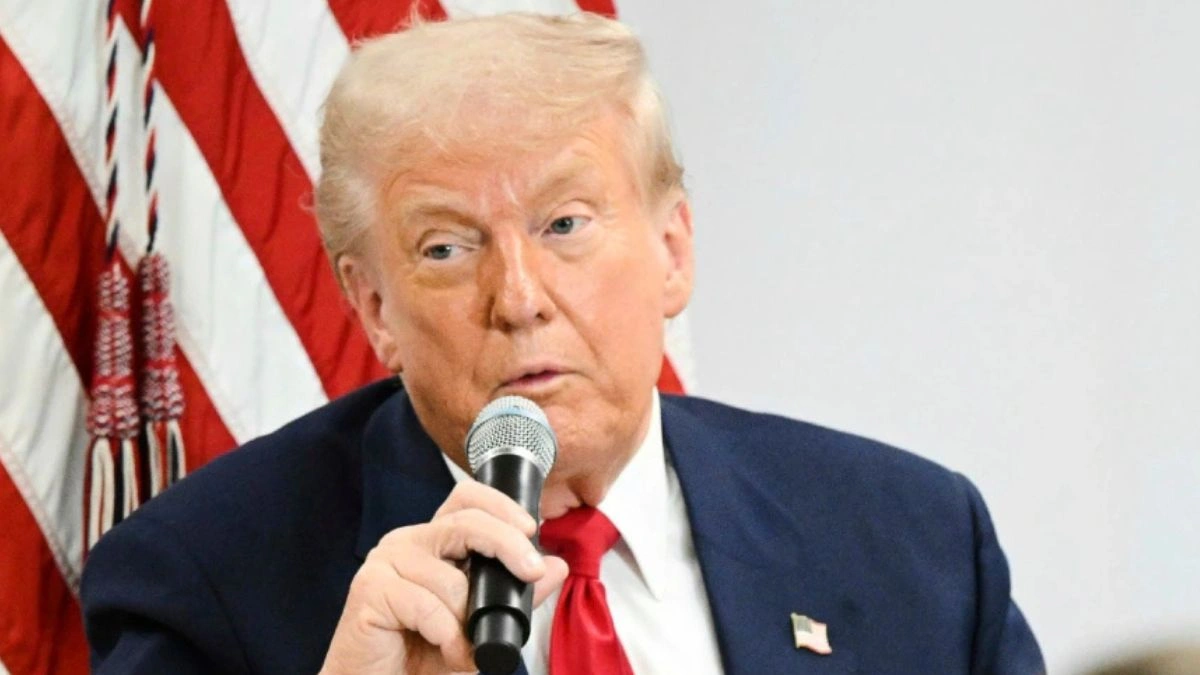
U.S. President Donald Trump extended the ceasefire with Iran just hours before it was set to expire. The move aimed to give more time for peace talks and reduce the risk of immediate military conflict.
Trump said the ceasefire would stay in place until Iran submits a proposal and discussions are completed. His decision helped ease fears that war might restart soon.
Earlier, Trump had suggested that he might not extend the ceasefire and said U.S. forces were “raring to go” if talks failed. However, he later changed his decision after discussions with security officials and diplomats.
Trump also said internal divisions within Iran’s leadership made negotiations difficult. He added that the United States wants Iran to present a unified position before talks move forward.
However, uncertainty remains because Iran has not yet confirmed whether it accepts the ceasefire extension or plans to join negotiations.
Pakistan Helped Push for Extension
Pakistan played a role in the ceasefire extension. Shehbaz Sharif welcomed the move and said Pakistan requested more time for negotiations.
Sharif expressed hope that both sides would continue diplomatic efforts and work toward a lasting peace agreement. Talks were expected to take place in Islamabad.
However, Iranian state media later reported that Iran had not sent any delegation to Pakistan. Officials also said Tehran had not yet made a final decision about participating in talks.
U.S. Continues Naval Blockade on Iran
Even though the ceasefire was extended, the United States continued its naval blockade of Iranian ports. The blockade aims to limit Iran’s oil exports and maritime trade while negotiations continue.
U.S. forces also seized a large oil tanker suspected of carrying Iranian oil. The tanker could carry about 2 million barrels, and the seizure was part of Washington’s strategy to pressure Iran into negotiations over its nuclear program and regional tensions.
Trump also said Iran is facing major economic losses due to the blockade. He estimated that Tehran could be losing around $500 million per day because of restrictions on shipping and oil exports.
Iran criticized the ceasefire extension and the blockade. An adviser to Iran’s top negotiator called the move a “ploy to buy time” for a possible surprise strike and warned that continued pressure could lead to military retaliation.
Also Read: Rising Tensions in Middle East: Why Did Iran Say No to US Talks Again?
Shipping Disruptions in the Strait of Hormuz
Tensions also disrupted shipping through the Strait of Hormuz, one of the world’s most important energy routes.
Reports showed that only three ships passed through the strait in 24 hours, compared to around 140 ships daily before the conflict. The disruption left dozens of oil tankers stranded and affected thousands of seafarers.
The Strait of Hormuz handles about 20% of global oil and gas shipments, meaning disruptions in the area could significantly affect global energy markets and trade.
Oil Prices and Markets React
Global oil markets reacted quickly to the tensions. Oil prices briefly rose above $100 per barrel amid fears that the ceasefire might collapse and fighting could restart.
Financial markets also remained uncertain as investors closely watched developments in negotiations and shipping disruptions in the Gulf region. The ceasefire extension helped stabilize markets slightly, but concerns remain.
Israel-Hezbollah Clashes Continue
While the U.S.–Iran ceasefire continues, fighting between Israel and Hezbollah has continued along the Lebanon border.
Reports said rocket and drone attacks continued, raising fears that the conflict could spread further across the region. The ongoing clashes highlight broader regional tensions, as Hezbollah is widely seen as an Iran-backed group.
Experts warn that if U.S.–Iran negotiations fail, the situation could escalate into a wider regional conflict involving multiple groups.
Nuclear Program Remains Major Issue
Iran’s nuclear program remains one of the biggest obstacles to peace. The United States has demanded limits on Iran’s nuclear activities, while Iran has asked for sanctions relief and economic guarantees.
The blockade and ongoing negotiations aim to push Iran toward compromise, but major differences remain between both sides, making a long-term agreement difficult.
Situation Still Fragile
Although the ceasefire extension reduced immediate fears of war, the situation remains uncertain. Key risks still include:
- Continued Israel-Hezbollah clashes
- U.S. naval blockade on Iran
- Disruptions in the Strait of Hormuz
- Rising oil prices and economic uncertainty
Unclear outcome of peace talks
The ceasefire has created a temporary pause in tensions, but experts warn that without a comprehensive agreement, the conflict could escalate again quickly. For now, global attention remains focused on diplomatic efforts as tensions continue across the Middle East.

khushisikarwar is an award-winning journalist and content creator who thrives on telling stories that matter. As a key contributor to Newsisland, [she] focus on cultural commentary, providing readers with thought-provoking insights.