Growing focus on regenerative orthopaedics as specialists highlight non-surgical, evidence-led approaches for knee care
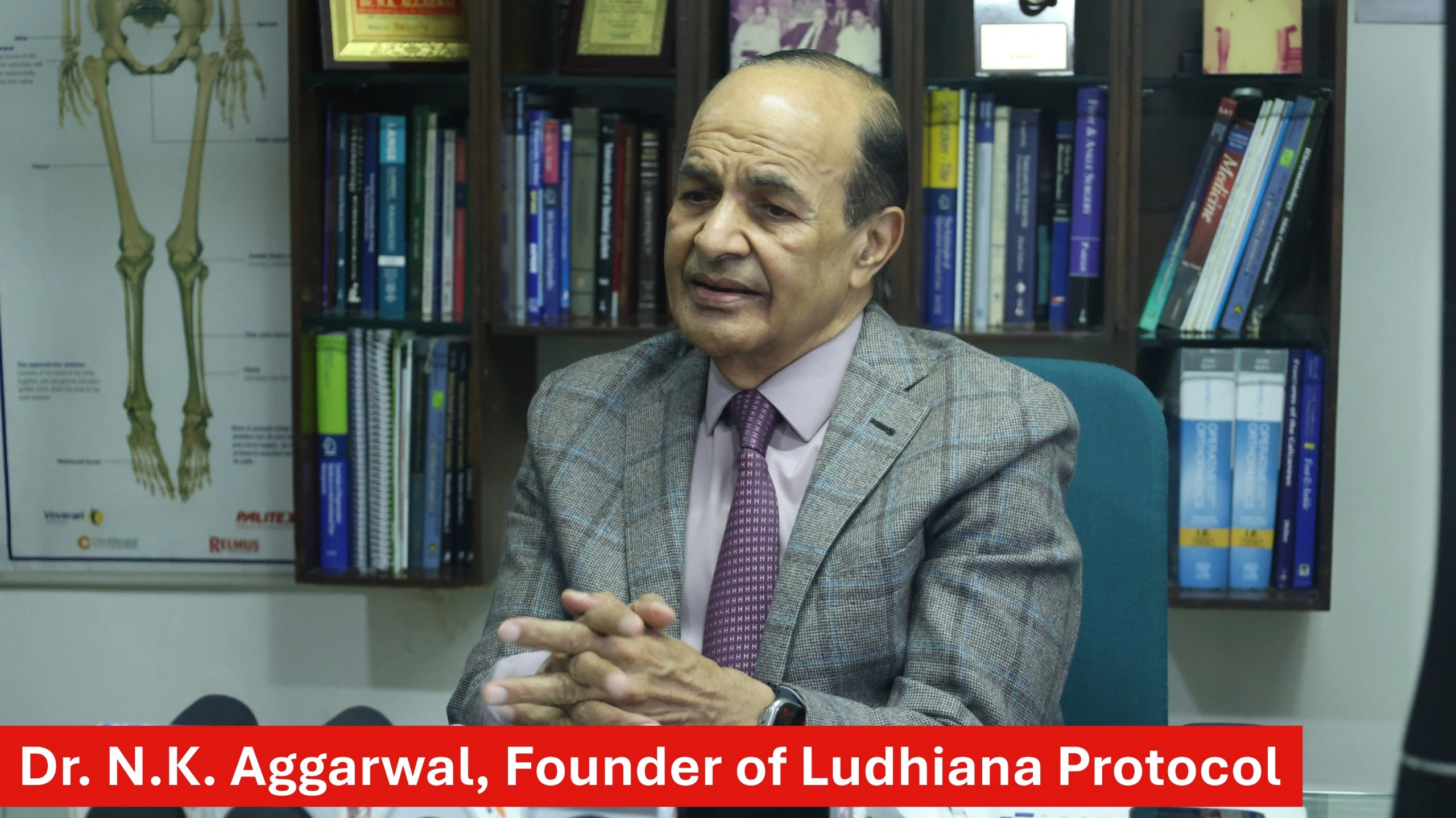
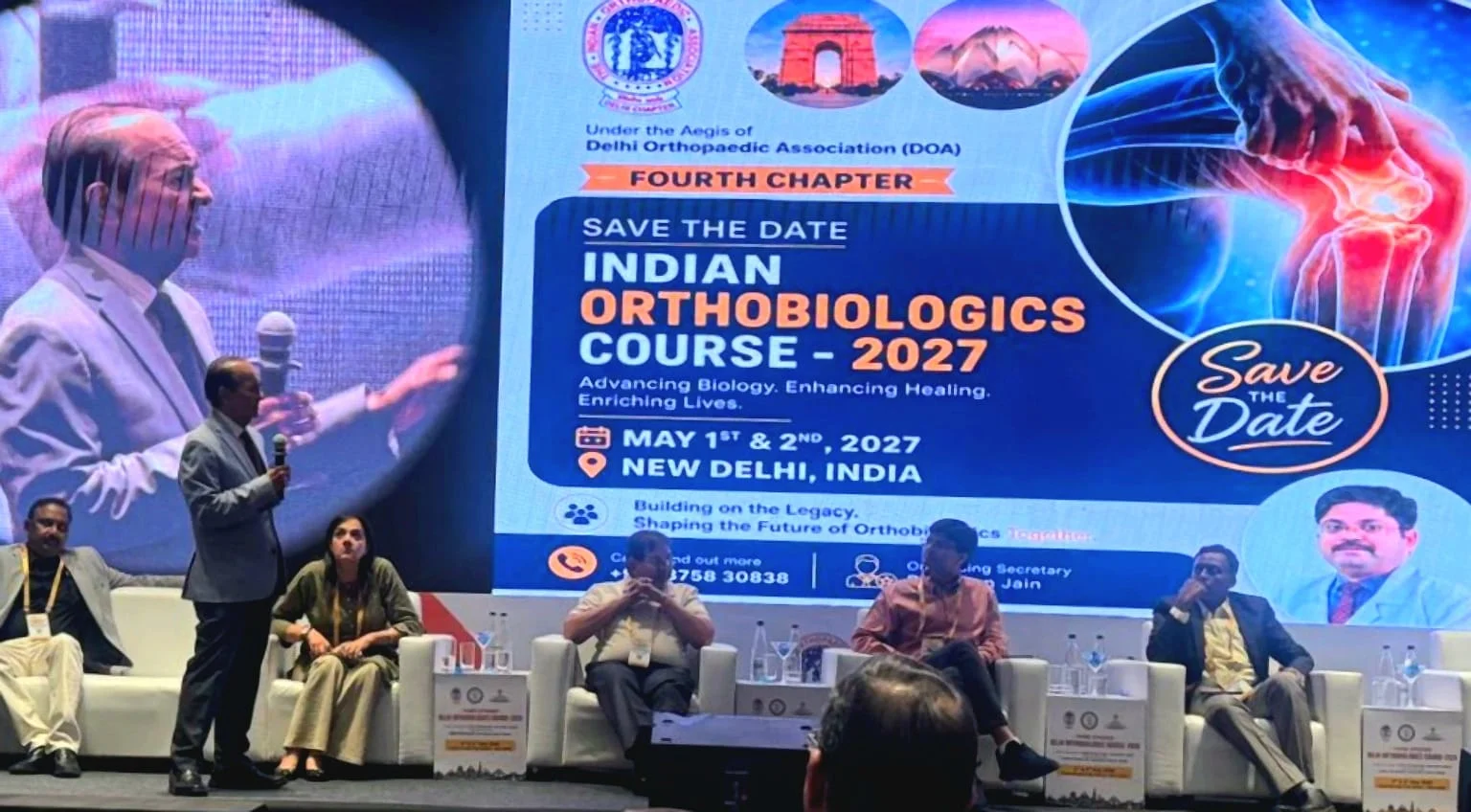
New Delhi: Reinforcing the shift towards regenerative orthopaedic care, Dr. Naresh K. Aggarwal showcased his Ludhiana Protocol at the 3rd Delhi Orthobiologics Course 2026 at Hotel Novotel City Centre, New Delhi, underscoring advancements in non-surgical knee management.
A Shift Towards Joint Preservation in Orthopaedics
Dr. Aggarwal’s session, part of the knee-focused scientific programme on Day 2, highlighted an integrated and minimally invasive approach to managing knee osteoarthritis—moving beyond the conventional reliance on joint replacement. His presentation reflected a deeper clinical shift that recognises osteoarthritis as a chronic inflammatory condition rather than merely mechanical degeneration.
The Ludhiana Protocol: A Comprehensive Regenerative Approach
At the core of the Ludhiana Protocol is a comprehensive strategy that combines intra-articular therapies such as platelet-rich plasma (PRP), growth factors, and orthobiologics with systemic interventions aimed at reducing inflammation. The approach focuses on preserving the natural joint, enhancing its biological environment, and enabling long-term functional outcomes.
Expert Perspective on the Future of Orthopaedics
Dr. Aggarwal stated, “The future of orthopaedics lies in preserving the joint rather than replacing it at the first instance. With timely and appropriate regenerative interventions, we can significantly improve patient outcomes and delay the need for surgery in a large number of cases.”
Organisers Emphasise Research-Driven Clinical Practice
The academic platform was led by key organisers including Dr. Karun Jain, Organising Secretary, and Dr. Ashim Gupta, Scientific Chairman, both of whom emphasised the importance of bridging research with clinical application.
Dr. Karun Jain said, “The objective of the Delhi Orthobiologics Course is to create a practical, evidence-based learning environment where clinicians can directly translate emerging science into improved patient care.”
Dr. Ashim Gupta added, “Orthobiologics is evolving rapidly, and it is essential for clinicians to stay aligned with scientific advancements while maintaining a strong focus on safety, standardisation, and patient outcomes.”
Focus on Advanced Regenerative Therapies
The two-day course featured detailed sessions on advanced regenerative therapies, including bone marrow aspirate concentrate (BMAC), PRP, stem cell applications, and ultrasound-guided interventions, reflecting the expanding role of non-surgical solutions in orthopaedic care.
A Broader Transformation in Orthopaedic Practice
Dr. Aggarwal’s presentation stood out for its strong clinical grounding and long-term perspective, reflecting a broader transformation in orthopaedic practice—one that prioritises joint preservation, patient-centric care, and sustainable outcomes.
Addressing a Growing Public Health Concern
As knee osteoarthritis continues to emerge as a significant public health concern in India, approaches like the Ludhiana Protocol offer a timely and evidence-based pathway for early intervention and improved quality of life.