
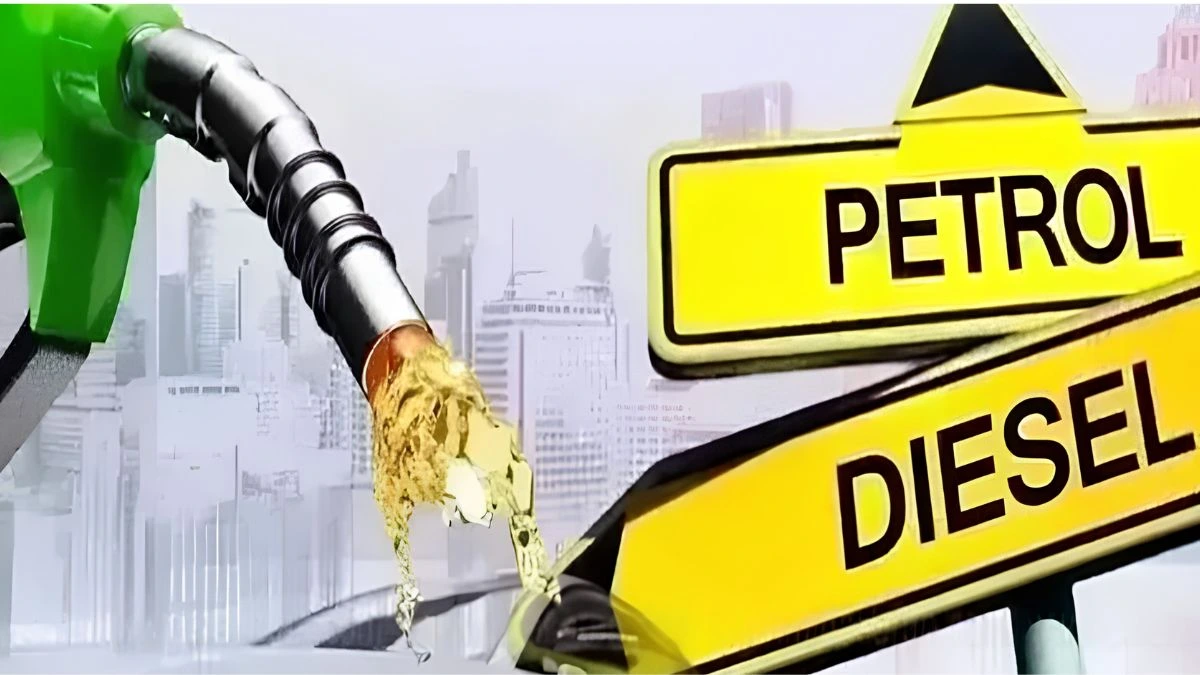
Petrol & diesel prices have surged past ₹110 per litre in major Indian cities following the first big fuel hike in four years. Know how it affects your wallet…
New Delhi: Just days after Union Petroleum Minister Hardeep Singh Puri reassured the nation about sufficient fuel stocks, oil marketing companies implemented the first major retail price hike in nearly four years.
Petrol prices rose by around Rs 3 per litre across India, pushing rates above the Rs 110 mark in key cities like Hyderabad and Thiruvananthapuram.
Which city are feeling it’s most
According to the latest updates, Hyderabad now has the highest petrol price at Rs 110.89 per litre, followed closely by Thiruvananthapuram at Rs 110.75.
Other expensive cities include Kolkata (Rs 108.74), Patna (Rs 108.55), and Jaipur (Rs 108.19). In contrast, Delhi saw petrol rise to Rs 97.77, while cities like Chandigarh and Lucknow remain relatively cheaper due to lower state taxes.
Minister’s Reassurance on Reserves
On May 11, 2026, at the CII Annual Business Summit, Minister Hardeep Singh Puri stated that India has 60 days of crude oil and LNG reserves, along with 45 days of LPG stocks.
He emphasised that there is no shortage of any petroleum product in the country, addressing public concerns triggered by panic buying and Prime Minister Narendra Modi’s recent appeal for energy conservation.
The minister’s statement came amid escalating geopolitical tensions in West Asia, particularly the US-Iran conflict, which has driven global Brent crude prices above $105 per barrel.
India, which imports around 85% of its crude oil, remains vulnerable to supply disruptions, especially through critical chokepoints like the Strait of Hormuz.
Why the Price Hike Now?
Oil marketing companies (OMCs) had been absorbing massive under-recoveries — reportedly around ₹1,000 crore per day in recent weeks — to shield consumers from global price volatility. With mounting losses, a partial pass-through of higher international costs became inevitable. Diesel prices have also increased by a similar margin.
State-level taxes, particularly Value Added Tax (VAT), continue to create wide disparities in pump prices. High-tax states in the South and East bear a heavier burden, while northern states with lower levies offer some relief
Impact on Citizens and Economy
For ordinary consumers, the hike means immediate additional expenditure. A typical two-wheeler owner in Hyderabad filling a 10-litre tank will now pay roughly Rs 34 extra.
Fleet operators, transporters, and farmers are expected to face rising operational costs, which could eventually translate into higher prices for goods and services, adding to inflationary pressures.
Prime Minister Modi’s call for energy conservation as a “national mission” aims to reduce import dependence and conserve foreign exchange reserves.
The government’s dual approach — building strategic reserves while urging efficiency — reflects long-term energy security concerns in a volatile global environment.
While Minister Puri has confirmed adequate buffer stocks, analysts warn that prolonged geopolitical instability could lead to further price adjustments.
The government is likely to monitor the situation closely and may calibrate future hikes to balance the financial health of OMCs with household affordability.
As petrol crosses the psychologically important Rs 110 level in several cities, the development underscores India’s heavy reliance on imported energy and the direct impact of international events on domestic fuel bills.
Those who drive cars are advised to adopt fuel-saving methods, while the coming weeks will reveal how this hike influences broader economic indicators and public sentiment.


