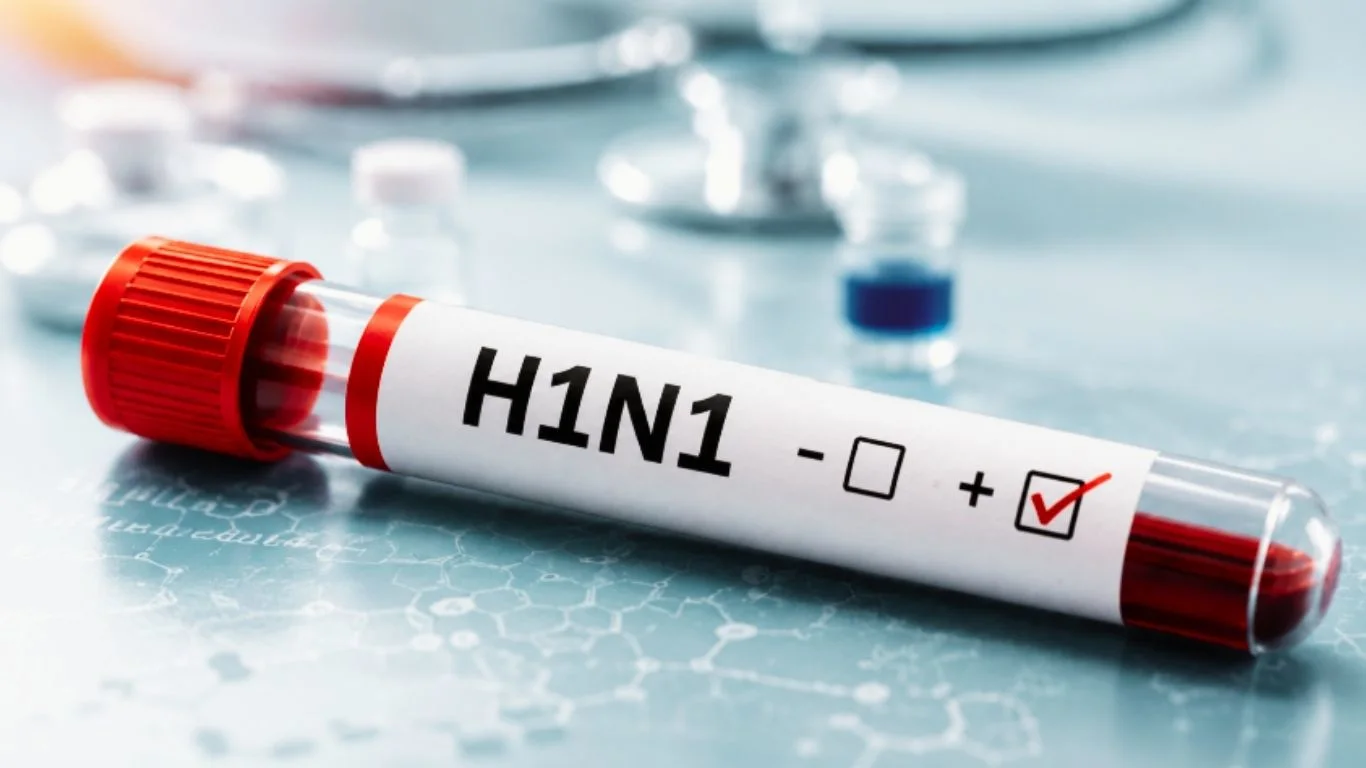
Delhi CM Rekha Gupta reviewed the rising H1N1 cases in an emergency meeting as Health Minister Pankaj Singh said hospitals were prepared to handle the surge
New Delhi: Delhi Chief Minister Rekha Gupta on Tuesday called an emergency meeting to review the rising number of H1N1 influenza cases in the national capital. Health Minister Pankaj Singh said the situation remained under control. He also said hospitals had enough beds, doctors, medicines and medical equipment to manage the seasonal surge.
The meeting came as H1N1 cases continued to rise in Delhi. Health officials have strengthened surveillance across hospitals. After reviewing the situation with senior officials from the Health Department, Municipal Corporation of Delhi, New Delhi Municipal Council and Delhi Cantonment Board, Singh said hospitals across the city had set up isolation wards.
Singh said the government had adequate medical resources to manage the increase in cases. He also warned that action would be taken against any hospital that refused admission to a patient who required hospital care.
H1N1 cases rise sharply in Delhi
The emergency review followed a sharp increase in H1N1 infections reported over the past week. Delhi had recorded 1,777 H1N1 cases by August 20, according to health department data cited in reports. The figure is more than seven times the 229 cases recorded during the corresponding period last year.
On August 20 alone, Delhi reported 159 fresh influenza infections, including 114 H1N1 cases. By then, the capital had recorded 2,392 Influenza-A cases and 210 Influenza-B cases, taking the total number of reported influenza infections to 2,602.
The distinction is important because H1N1 is a subtype of Influenza A, so the two figures should not be treated as interchangeable. Therefore, the reported 2,392 Influenza A cases do not necessarily represent 2,392 H1N1 infections.
Doctors and hospitals across Delhi-NCR have also reported a rise in patients with flu-like symptoms. Some hospitals have seen outpatient footfall increase during the recent surge, with clinicians saying most otherwise healthy patients recover without serious complications.
Health Minister assures hospitals are prepared
Singh’s assurance came against the backdrop of growing public concern over the increase in cases. He said Delhi had sufficient medical staff, medicines and hospital capacity and that authorities were monitoring the situation closely. The health minister also said hospitals had created isolation facilities for influenza patients.
The government has directed health officials to monitor bed availability and ensure that hospitals do not turn away patients who need admission. The latest review brought together officials from Delhi’s health department and civic bodies to assess the city’s preparedness as infections continue to rise.
Centre reviewed Delhi situation on August 21
The Delhi government’s emergency meeting followed a high-level review by Union Health Minister J.P. Nadda on August 21. The meeting, attended by Singh and senior health officials, assessed surveillance of influenza-like illness and severe acute respiratory infections, laboratory testing capacity and hospital preparedness.
Officials reviewed the availability of hospital beds, critical-care facilities, oxygen-supported beds, ventilators, diagnostic services and essential medicines. Nadda called for continued surveillance, vigilance and early clinical management of influenza cases. The Centre and Delhi government have since continued to monitor the situation as fresh infections are reported.
35 hospitals under special surveillance
Delhi health authorities have strengthened surveillance across hospitals and districts. The government placed 35 hospitals under special surveillance. It also designated AIIMS and the National Centre for Disease Control as referral laboratories.
Authorities directed chief district medical officers, district surveillance officers and hospital administrations to strengthen the screening, reporting and monitoring of influenza-like illness and severe acute respiratory infections.
Health advisories issued during the week urged residents to follow basic respiratory hygiene. They also advised people to wash their hands regularly and avoid close contact with those showing flu-like symptoms. Residents were encouraged to consider wearing masks in crowded places.
People with symptoms have also been advised to seek medical advice instead of self-medicating. This is especially important if symptoms become severe or persist.
Monsoon conditions may be contributing to spread
Doctors have linked the seasonal rise in H1N1 cases to weather and environmental conditions during the monsoon. Lower temperatures, high humidity and increased indoor crowding can support the spread of respiratory viruses.
H1N1 is a subtype of Influenza A. It was responsible for the 2009 influenza pandemic and has continued to circulate as a seasonal virus.
Common symptoms include fever, cough, sore throat, body aches and fatigue. Some patients may also experience nausea or diarrhoea.
Doctors say most uncomplicated cases can be managed with rest, fluids and symptomatic treatment. However, people with breathing difficulty, persistent chest discomfort, severe weakness, confusion or other serious symptoms should seek medical attention promptly.
Government continues daily surveillance
Delhi has intensified its response over the past week as reported H1N1 infections increased. On Monday, August 24, Singh held a review meeting with municipal health officers and government hospital officials. The meeting focused on testing, surveillance and overall preparedness.
Gupta held an emergency meeting on Tuesday as authorities continued to assess the spread of influenza in the capital.
For now, the government says Delhi’s health system can handle the rise in cases. Officials have urged residents to follow basic precautions. They have also advised people, especially those at higher risk of complications, to seek timely medical care if symptoms become severe.
Gupta’s emergency meeting marks the latest step in Delhi’s response to the H1N1 surge. The rise has prompted closer monitoring and greater hospital preparedness. However, health authorities and the ICMR have said it does not indicate the emergence of a new H1N1 strain.