
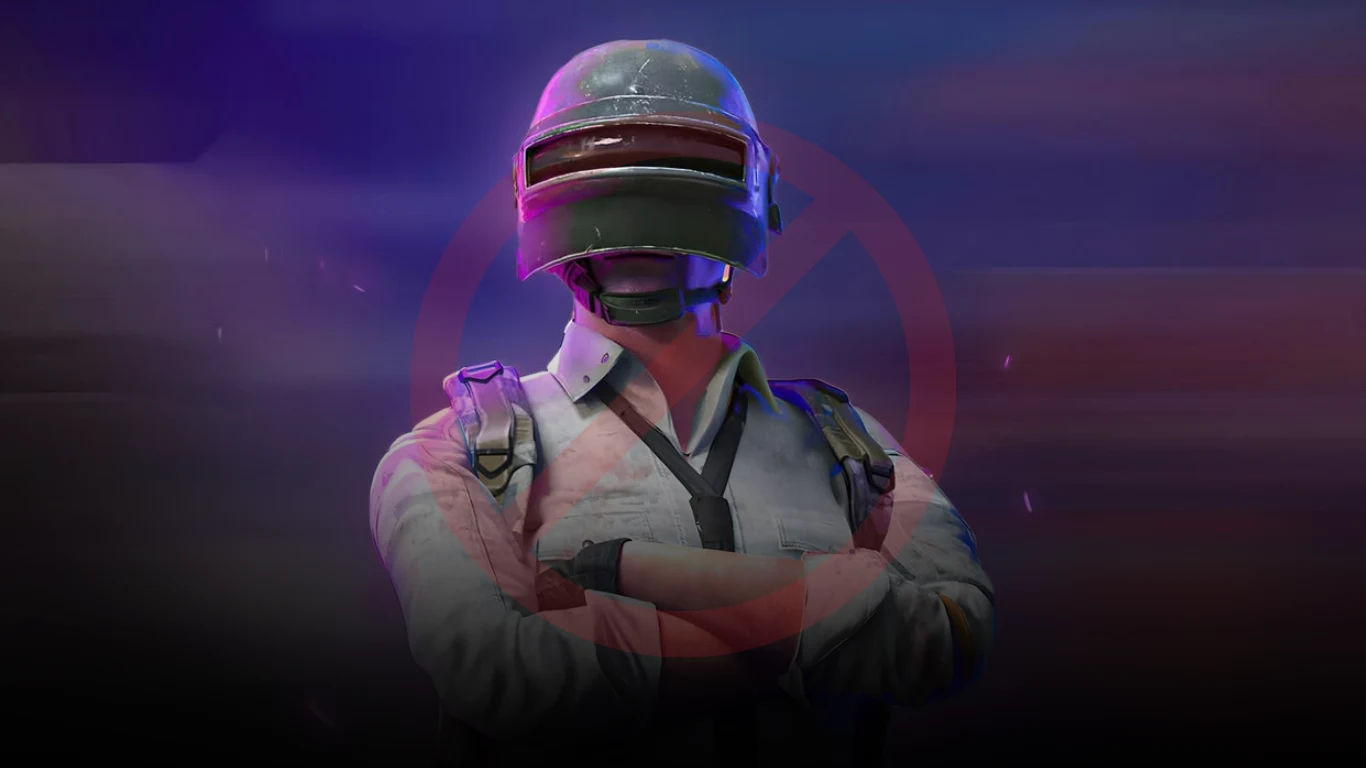
PUBG Mobile was among 118 apps banned in India on September 2, 2020. Know why the government took the decision and how BGMI emerged after the ban.
New Delhi: September 2, 2020, remains a date that many Indian gamers are unlikely to forget. By then, PUBG Mobile had become a major part of India’s mobile gaming culture, with millions of young players spending hours teaming up with friends, competing against players online and building communities around the game. For many, it had grown beyond entertainment to become an important part of their social lives.
Then, almost overnight, PUBG Mobile disappeared from the Indian digital landscape.
The government’s decision came as a major shock not only to gamers but also to the wider mobile app industry. On September 2, 2020, the Indian government announced the blocking of 118 mobile applications, including PUBG Mobile. While the ban is sometimes described on social media as a ban on “PUBG and 117 other apps,” the official figure was 118 apps.
What Happened on September 2, 2020?
On September 2, 2020, the Ministry of Electronics and Information Technology (MeitY) ordered the blocking of 118 mobile applications under Section 69A of the Information Technology Act.
According to the government, the decision was taken in view of concerns related to India’s sovereignty and integrity, defence, security of the state and public order.
PUBG Mobile became the biggest talking point because of its enormous popularity among Indian players. At the time, the game was one of the country’s most widely played mobile titles. The list also included PUBG-related applications such as PUBG Mobile Nordic Map: Livik and PUBG Mobile Lite.
However, PUBG was only one part of a much larger list. Other applications included Baidu, FaceU, WeChat Work, WeChat Reading, Tencent Weiyun, Cyber Hunter, Knives Out, LifeAfter, Ludo World, Chess Rush, Rise of Kingdoms and U-Dictionary, among others.
Why Did the Government Ban These Apps?
The primary concerns cited by the government were related to data security and cybersecurity.
According to the government’s statement at the time, it had received several complaints regarding the functioning of certain mobile applications. Reports had raised concerns that some apps were allegedly collecting user information without proper authorization and transferring data to servers located outside India.
The government expressed concerns that misuse of such information could potentially affect the privacy of Indian users and national security.
Authorities also pointed to concerns surrounding the permissions requested by these applications, their data collection practices and the manner in which information was processed or shared.
Therefore, the PUBG ban was not officially described as a response to the game’s popularity or the amount of time young people spent playing it. The government cited broader concerns over data protection, cybersecurity and national security as the basis for the action.
Was PUBG the Only Target?
This is an important part of the story that often gets overshadowed by PUBG’s popularity.
Because PUBG Mobile had such a huge following in India, news of its ban quickly became the centre of public attention. However, the September 2020 action was part of a much wider series of measures involving mobile applications.
Earlier, on June 29, 2020, the government had blocked 59 applications, including TikTok, ShareIt, UC Browser, WeChat, Shein, Helo, Likee, CamScanner, Xender, VivaVideo and Mobile Legends.
The government had cited concerns involving national security, sovereignty and the protection of India’s cyberspace while announcing that action.
The September 2 order added another 118 applications to the list. Later, in November 2020, the government blocked another 43 apps, including applications such as AliExpress, Alipay Cashier, Snack Video and WeTV, along with some gaming-related apps.
Why Was the Ban Such a Big Blow for Gamers?
For PUBG Mobile’s massive Indian player base, the announcement came as a sudden shock.
Players had invested not only time but also a considerable amount of effort into the game. Many had built close online communities, formed regular squads and participated in tournaments. PUBG Mobile had also become an important part of India’s growing esports and gaming-streaming ecosystem.
The sudden loss of access therefore affected more than casual players. Content creators, competitive gamers and streamers who had built audiences around PUBG Mobile were also forced to reconsider their gaming and content strategies.
With the game suddenly unavailable, one question quickly became common among Indian gamers:
What would replace PUBG Mobile?
PUBG’s Successor: BGMI
After PUBG Mobile was blocked in India, gamers began waiting for an alternative that could offer a similar battle royale experience.
That alternative eventually came from Krafton, the South Korean company behind PUBG. It launched Battlegrounds Mobile India, commonly known as BGMI, specifically for the Indian market.
BGMI was designed for Indian players while retaining the battle royale format that had made PUBG Mobile popular. Its launch gave many former PUBG Mobile players a chance to return to the genre.
Players, content creators and esports enthusiasts who had built their careers around PUBG Mobile also moved to BGMI. Their transition helped the Indian mobile gaming ecosystem regain momentum.
In this way, BGMI became an important next chapter in the PUBG Mobile story in India. The ban had created a major gap in the mobile gaming market, and BGMI emerged as one of the key games to fill it.
The transition also reflected the rapid evolution of India’s gaming industry. As regulators focused more on data protection and cybersecurity, gaming companies began adapting their products to meet the requirements of the Indian market.
Why Is September 2 Still Remembered?
September 2, 2020, was about more than the shutdown of a hugely popular mobile game.
The decision came at a time when data privacy, cybersecurity, digital sovereignty and foreign applications were becoming major concerns in India.
For gamers, the ban meant the sudden loss of a favourite game and social platform. However, the government’s stated concerns went beyond gaming. They focused on protecting user data and safeguarding India’s digital and cybersecurity interests.
The arrival of BGMI later added another chapter to the story. PUBG Mobile was removed from the Indian market, the gaming community faced a major disruption, and a new India-focused title eventually emerged to continue the country’s battle royale gaming culture.
That is why September 2, 2020, remains an important date in India’s gaming history.
It was the day PUBG Mobile disappeared from India. At the same time, the country’s debate over data security and digital safety entered a new phase. That debate would later influence the future of India’s mobile gaming industry.


