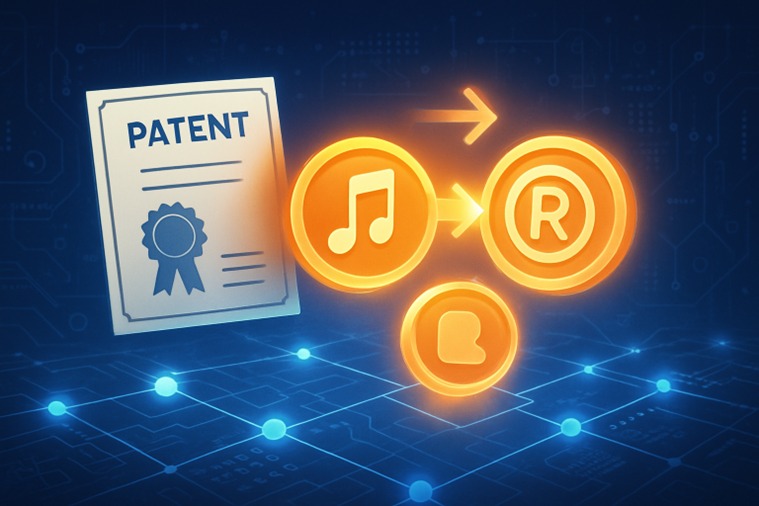
Tokenization opens global access to intellectual property, fueling innovation and investment.
New Delhi: The tokenization of intellectual property (IP) assets is creating a revolution for creators, investors, and innovators globally, changing how value is perceived and shared throughout the knowledge economy. As digital economies develop and evolve, the virtues of blockchain – transparency, programmability, and frictionless transfer – are being deployed to fractionalize and democratize ownership in patents, copyrights, and trademarks. IP is being reincarnated as a dynamic, tradeable blockchain token instead of a passive, illiquid legal document opening these markets up to consumers who previously never had access to these assets.
For innovators and creators, this is a true game changer. IP tokenization enables innovators to take their innovation – be it a novel pharmaceutical patent, an original film copyright, or a unique logo or brand mark – and tokenize it into a stream of digital tokens. Each token represents a part ownership or interest in the IP that can be bought and sold or used as collateral. While similar to selling stock, this process enables creators and innovators to fund innovation and creativity without having to sell their rights entirely or limit themselves to traditional licensing agreements. A biotech startup that has an innovative medical device patent may want to raise funds through the sale of tokens to a global network of micro-investors to retain control of this innovative new patented device while determining its future.
Investors, on the other hand, are also gaining access to assets that were previously untapped because of costs, complexity, or illiquidity. Once an IP is tokenized, an investor can easily acquire fractional interests in a portfolio of patents or music copyrights, with a diversified holdings across multiple revenue sources and the ability to earn from royalty streams. In the case of an artist with a popular song, the copyright owner could choose to tokenize the future streaming and licenses royalties from that song, and sell the tokens to investors on a trusted platform. Each token would then represent the rights to a share of royalties when payments come in to the copyright owner, each distribution would automatically be managed through a smart contract.
Tokenization is also converting trademarks and brand assets into investment opportunities. Startups and established organizations alike can tokenize their trademarks, allowing communities and fans to financially back and co-own brands they believe in. These models can increase grassroots marketing and brand loyalty, while providing up-front funding to scale businesses. Token holders can transparently share investment rights – and revenues – from merchandising, franchising, or media licensing, in a real-time blockchain ledger.
Most importantly, the programmable and transparent nature of blockchain removes many of the inefficiencies and ambiguity of traditional IP management. For example, smart contracts would automatically enforce licensing agreements, fairly collect and distribute royalties, and allow ownership records to be changed instantly so anyone can see any and all changes in ownership. This can curtail disputes and transaction costs, while empowering owners. Furthermore, the scale of blockchain markets and their global nature provides an opportunity for the first time to invest cross-border in IP assets that simply was not practical or cost effective due to international legal negotiations.
Despite these exciting advances, challenges remain. The legal frameworks around IP tokenization are changing and law makers will have to ensure digital tokens are honestly backed by enforceable rights. Regulatory issues, anti-fraud and valuation standards will require greater focus. However, with trusted tokenization platforms emerging and standards maturing, there is an opportunity for a wave of innovation where creators will have more monetization avenues, investors will have access to new valuation opportunities, and society will benefit from accelerated R&D and culture.
Conclusively, intellectual property tokenization is not simply a technological novelty- it is a profound shift enabling creativity, investment, and entrepreneurship at a global scale. By dismantling old barriers and unleashing new models of participation and funding, IP tokenization is paving the way for a more inclusive, efficient, and dynamic future for innovation and creative industries.

Aniket Sardhana is a journalism graduate with hands-on experience in field reporting, camera operations, and news production. With a strong understanding of newsroom workflows and on-ground storytelling, he has developed a practical and detail-oriented approach to reporting. Aniket writes extensively on cryptocurrency and current affairs, focusing on policy developments, market trends, and their broader socio-economic impact.