
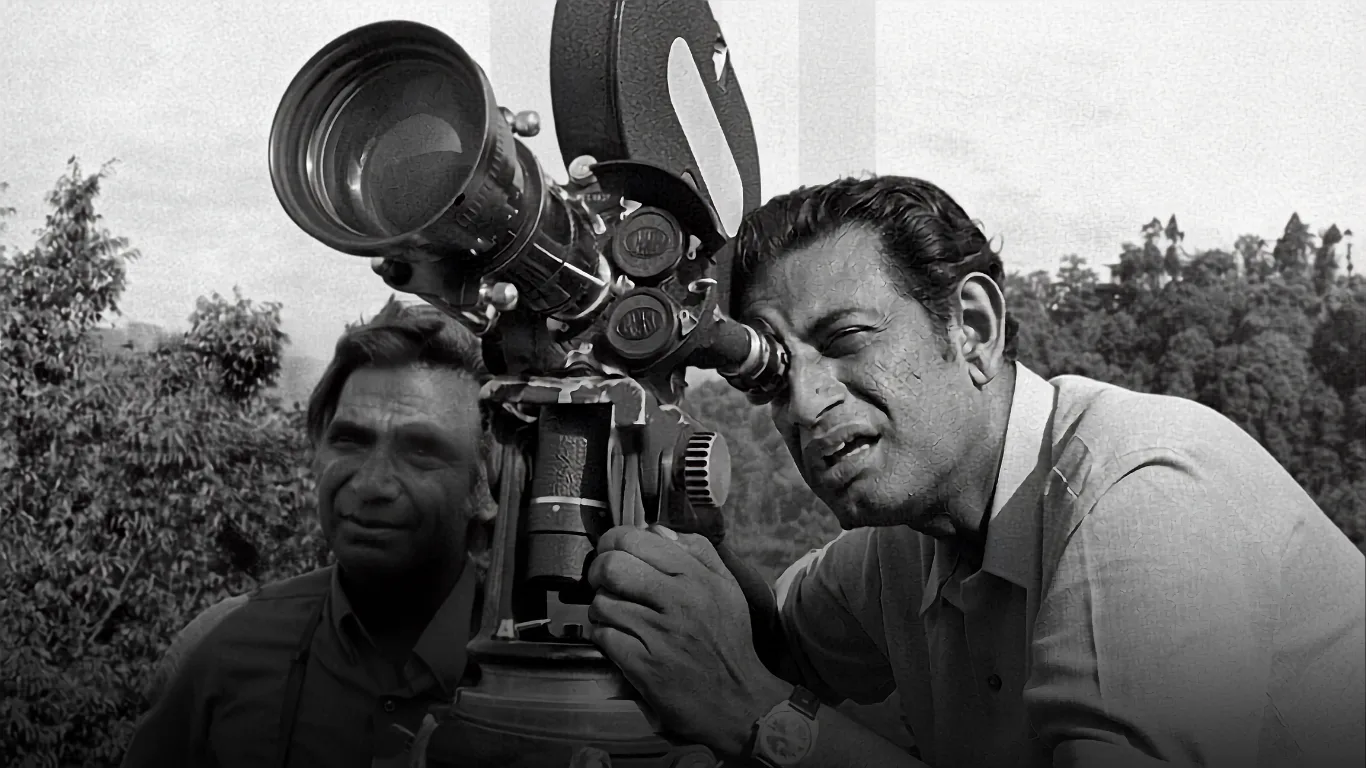
Know the story of Satyajit Ray’s life, from the 1967 Ramon Magsaysay Award to the 1992 Honorary Oscar, and discover why his cinema continues to inspire filmmakers around the world.
New Delhi: Today’s younger generation may not be as familiar with Satyajit Ray. Yet, several leading Hollywood and international filmmakers have drawn inspiration from his work and filmmaking style. Directors such as Martin Scorsese and Wes Anderson have also praised his cinema. Ray may be less familiar to some young viewers today, but his influence on global cinema remains visible.
Satyajit Ray was more than a film director. He was also a writer, composer, graphic designer, illustrator and filmmaker. Born on May 2, 1921, in Kolkata, Ray gave Indian cinema a new language. His films focused on the lives, relationships, struggles and emotions of ordinary people.
August 31, 1967, was an important day in Ray’s career. On this day, he received the Ramon Magsaysay Award. The Ramon Magsaysay Award Foundation honoured him for his honest portrayal of human emotions and for treating cinema as a serious art form.
Before Becoming a Film Director, Ray Worked in Advertising
Ray’s journey did not begin directly with films. In 1943, he started working as a commercial artist. He also had a deep interest in typography and graphic design and even designed his own typefaces.
In 1947, he played a role in establishing the Calcutta Film Society. Watching films from around the world through the society helped him understand the language of cinema and the art of storytelling.
Then Came Pather Panchali
Released in 1955, Pather Panchali brought Ray into the international spotlight. But making the film was far from easy. Production was repeatedly halted due to a lack of funds, and the film was eventually completed with financial assistance from the Government of West Bengal.
The film received the Best Human Document award at the Cannes Film Festival. Later, Aparajito won the Grand Prix at the Venice Film Festival, while the Apu Trilogy received widespread acclaim around the world.
Why Was the 1967 Magsaysay Award So Important?
It was more than just a trophy or a moment of recognition.
The Ramon Magsaysay Award Foundation honored Ray for his emotional integrity, his authentic portrayal of Indian life, and his use of cinema as a serious art form.
In his films, the lives of ordinary people mattered more than grand spectacle. This was one of the reasons stories rooted in Bengal could connect with audiences across the world.
Ray’s Most Unique Quality? He Was a One-Man Creative Team
Ray wrote the screenplays for his films, worked on their visual and publicity materials, composed music, and handled several other creative aspects of filmmaking himself.
For him, filmmaking was never limited to direction. Story, sound, design, and visuals were all part of the same creative vision.
Art Was Already Part of His Family
Creativity was deeply rooted in Satyajit Ray’s family. His grandfather, Upendrakishore Ray Chowdhury, was a writer, artist, musician, and expert in printing technology, while his father, Sukumar Ray, was a celebrated writer and illustrator.
Growing up in such an artistic environment laid the foundation for Ray’s multifaceted creativity.
Also Read: Major Dhyan Chand: The Hockey Wizard Whose Stick Seemed to Glue the Ball
From Magsaysay to the Oscar
The 1967 Ramon Magsaysay Award was a major international milestone in Ray’s career, but his journey of recognition did not end there.
In 1992, he received an Honorary Oscar. The Academy honored him for his exceptional contribution to the art of motion pictures and his profound humanitarian outlook.
What made the moment even more remarkable was that Ray was seriously ill at the time and could not attend the Oscar ceremony in person. He accepted the honor from his hospital bed.
Satyajit Ray’s true legacy lies in his ability to tell stories rooted in his own land while making their universal humanity resonate with audiences across the world.
From the 1967 Ramon Magsaysay Award to the 1992 Honorary Oscar, these honours affirmed that Indian cinema was not merely being watched by the world—it was also giving the world new stories, perspectives and ideas to learn from.


