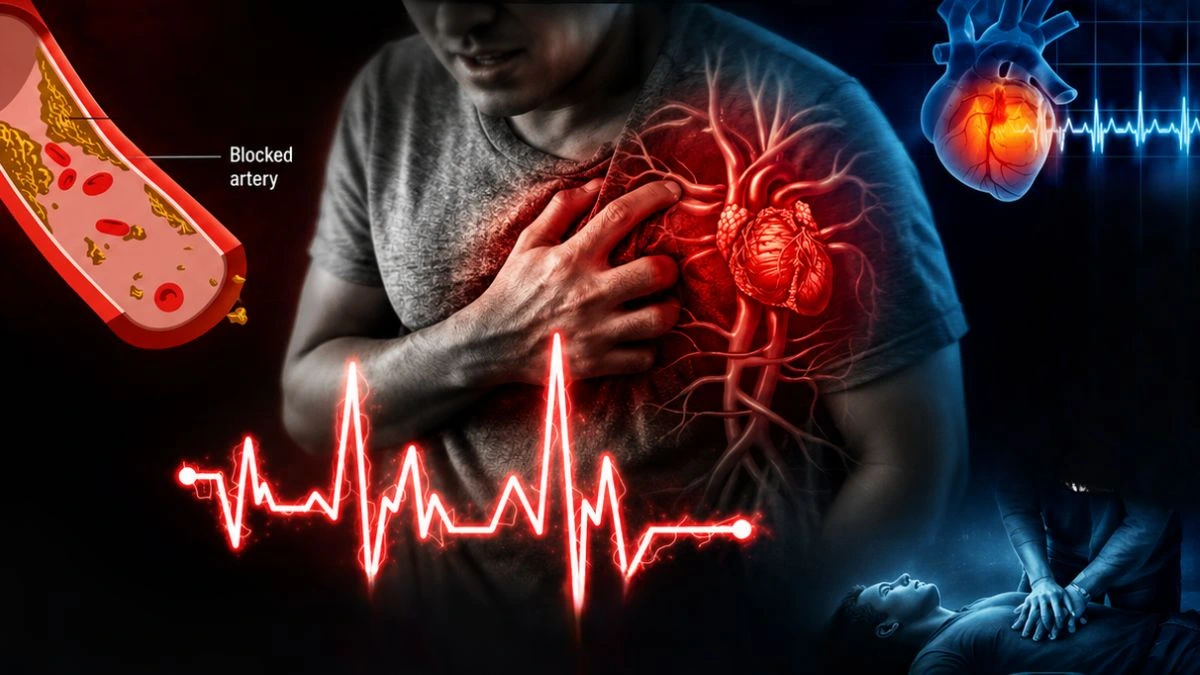
From teenage athletes to working professionals in their 40s cardiac deaths are rising in people who had no idea anything was wrong. Here is what doctors want you to know
New Delhi: For years, deaths caused by heart attacks and sudden cardiac arrest were primarily considered issues affecting the elderly. However, doctors today are observing an alarming trend: more young people – including teenagers, athletes, and working professionals in their 30s and 40s are facing serious cardiac emergencies.
Incidents of seemingly healthy young people suddenly collapsing or fainting during workouts, sports events, or daily activities have raised concerns among medical experts. While such cases are not yet widespread, their rising frequency has sparked a crucial conversation about heart health among the younger generation.
Research indicates a gradual increase in deaths due to sudden cardiac arrest (SCD) among adults aged 25 to 44 over the past two decades. Experts believe that a combination of poor lifestyle choices, rising obesity, stress, diabetes, and undiagnosed heart conditions is driving this trend.
First, let us understand the difference: Heart Attack vs. Sudden Cardiac Death (SCD)
A heart attack occurs when blood flow to a part of the heart is blocked, usually due to a clot in a coronary artery. The lack of oxygen causes damage to the heart muscle.
Sudden Cardiac Death (SCD) is different. It happens when the heart suddenly stops beating properly due to a dangerous electrical disturbance. Breathing stops, blood flow ceases, and the person loses consciousness within seconds.
Although a heart attack can sometimes lead to sudden cardiac arrest, many cases of sudden cardiac death in young people are linked to undiagnosed heart conditions rather than blocked arteries.
While sudden cardiac death is rare in people under the age of 35, experts note that it often occurs without warning; therefore, awareness and early detection are crucial.
why is this happening to young people now?
There is no single answer. It is a combination of how we live, what we eat, how much we sleep, and critically hidden conditions inside our hearts that we never knew existed. Here are the main Reasons why heart problems are increasing among young people
Sedentary Lifestyle
- Long hours of sitting at desks and excessive screen time.
- Reduced physical activity leads to obesity, high cholesterol, and high blood pressure.
- Heart disease risk factors are developing much earlier than before.
Chronic Stress
- Academic pressure, work competition, financial burdens, and social media comparisons increase stress levels.
- Constant stress raises cortisol levels, which can damage blood vessels and elevate blood pressure.
- Long-term stress significantly increases cardiovascular risk.
Rising Diabetes Cases
- Type 2 diabetes is now being diagnosed in teenagers and young adults.
- Diabetes damages blood vessels and affects heart health.
- When combined with obesity, the risk of heart attacks increases sharply.
Smoking, Vaping, and Substance Abuse
- Vaping is not a safe alternative to smoking.
- E-cigarettes can damage blood vessels and increase the risk of blood clots.
- Recreational drugs and stimulants may trigger dangerous heart rhythm disorders.
Lack of Quality Sleep
- Regularly sleeping less than six hours affects heart health.
- Sleep deprivation increases blood pressure and inflammation.
- Poor sleep also contributes to weight gain and metabolic disorders.
Post-COVID Heart Effects
- Studies reported a rise in cardiac deaths among young adults after the pandemic.
- COVID-19 may cause inflammation of the heart muscle (myocarditis).
- The virus can affect blood vessels, increase clotting risk, and disrupt heart rhythms even after recovery.
Poor Dietary Habits
- Frequent consumption of fast food, sugary drinks, and processed foods.
- Leads to high cholesterol levels and weight gain.
- Increases the risk of early cardiovascular disease.
Hidden Genetic Heart Conditionsa
- Disorders such as Hypertrophic Cardiomyopathy, Long QT Syndrome, and Brugada Syndrome often remain undiagnosed.
- These conditions can trigger sudden cardiac arrest even in seemingly healthy young people.
Increasing Obesity Rates
- Obesity places extra strain on the heart.
- It is closely linked to diabetes, hypertension, and high cholesterol.
- One of the biggest contributors to early-onset heart disease.
Ignoring Warning Signs
Symptoms like chest pain, unexplained fainting, shortness of breath, and irregular heartbeat are often overlooked.
Delayed diagnosis can increase the risk of sudden cardiac events.
“1 in 300 young people has a condition that puts them at risk for sudden cardiac arrest. Research shows that up to 80% of young people who suffer sudden cardiac arrest have no symptoms beforehand — none at all.”
— Dr. Jonathan Drezner, sports cardiologist
Why do athletes and fit young people die suddenly?
This is one of the most baffling and tragic aspects of the issue. How can a person who runs daily, lifts weights, and appears perfectly healthy suddenly die?
The answer is that strenuous physical exercise does not cause these deaths; rather, it exposes underlying conditions or defects that were already present. When you place intense strain on your heart during a hard workout, it is forced to work beyond the limits of its electrical and mechanical systems.
A heart with an undetected structural or electrical abnormality might cope well with the demands of daily life, but it fails to withstand that extra pressure and stops functioning.
In fact, ‘Sudden Cardiac Death’ is the leading medical cause of death among young athletes. Estimates suggest that approximately one in every 50,000 to 100,000 young athletes dies from this condition annually. This implies that a seemingly fit and healthy 24-year-old engaging in intense physical exertion may actually face a higher risk than someone who leads a sedentary lifestyle.
“When sudden cardiac arrest affects a well-known young athlete or a local teenager in the community, it shocks everyone — because the person seemed so healthy. But sudden cardiac arrest can truly happen to anyone.”
— Dr. David Bradley, pediatric cardiologist
Warning signs you must never ignore
The good news is that the body sometimes does try to warn us. The problem is that we dismiss these signals as “nothing serious.” Please do not.
Go to a doctor if you experience any of these
Fainting or blacking out — especially during or just after exercise. This is a red flag, not a normal reaction to exertion.
Chest pain, tightness, or pressure — even if it lasts only a minute and goes away on its own.
Heart pounding, fluttering, or beating irregularly — what doctors call palpitations.
Getting breathless during activities that never used to bother you, or extreme fatigue without a clear reason.
“Heart disease does not suddenly appear at 60. It develops gradually over decades, often beginning in your 20s and 30s.”
— Dr. Stavros Stavrakis, cardiologist
How young adults can protect their heart health
Stay Physically Active
- Move your body for at least 30 minutes most days of the week.
- Walking, cycling, jogging, swimming, or any regular physical activity can help keep your heart healthy.
- You don’t need an intense gym routine—consistency matters more than intensity.
Eat a Heart-Healthy Diet
- Cut down on ultra-processed foods, packaged snacks, and sugary drinks.
- Include more fruits, vegetables, whole grains, lentils, nuts, and lean proteins in your diet.
- Healthy eating helps control cholesterol, blood pressure, and body weight.
Prioritize Quality Sleep
- Aim for 7–9 hours of sleep every night.
- Poor sleep increases the risk of high blood pressure, obesity, diabetes, and heart disease.
- Think of sleep as a necessity, not a luxury.
Avoid Smoking and Vaping
- There is no safe level of smoking or vaping.
- Both can damage blood vessels, increase blood pressure, and raise the risk of heart attacks and sudden cardiac events.
- Quitting early can significantly improve long-term heart health.
Manage Stress Effectively
- Chronic stress can be as harmful to the heart as high cholesterol.
- Take breaks, practice mindfulness, exercise regularly, and seek support when needed.
- Talking to friends, family, or a mental health professional can help reduce stress levels.
Get Regular Health Checkups
- Consider a basic cardiac evaluation before the age of 30, especially if you have a family history of heart disease or sudden death.
- Monitor important health markers such as blood pressure, cholesterol, blood sugar, and body weight.
- Early detection can prevent serious complications later in life.
Know Your Family History
- Genetic heart conditions often run in families.
- If close relatives have experienced heart disease, sudden cardiac arrest, or unexplained early deaths, consult a healthcare professional about screening options.
Don’t Ignore Warning Signs
- Seek immediate medical attention for symptoms such as chest pain, unexplained fainting, shortness of breath, irregular heartbeat, or unusual fatigue.
- Early intervention can save lives.
- A family member — parent, sibling, cousin, uncle — who died suddenly and unexpectedly, especially before age 50.
What about screening? Should young people get their hearts checked?
Yes—and this is an area where significantly more awareness is needed. Health guidelines recommend that young athletes undergo a cardiovascular (heart and blood vessel) check-up before participating in any sport.
This includes a physical examination, a review of symptoms, and a detailed look at the family medical history. In many countries, this screening also includes an ECG (electrocardiogram), which can detect electrical heart problems before they become life-threatening.
The bottom line is this: if you play competitive sports, engage in physically strenuous work, or have a family member who died suddenly at a young age from an unknown cause, getting a heart check-up isn’t being overly cautious it’s a sensible move.
It is also crucial to have AEDs (Automated External Defibrillators) in schools, gyms, and public places; they can restart the heart within minutes before an ambulance arrives and truly save lives.
The rising incidence of heart attacks and sudden cardiac death among young people is a serious public health concern. While poor lifestyle, stress, obesity, and diabetes are the primary causes, underlying genetic factors and structural heart abnormalities also play a significant role.