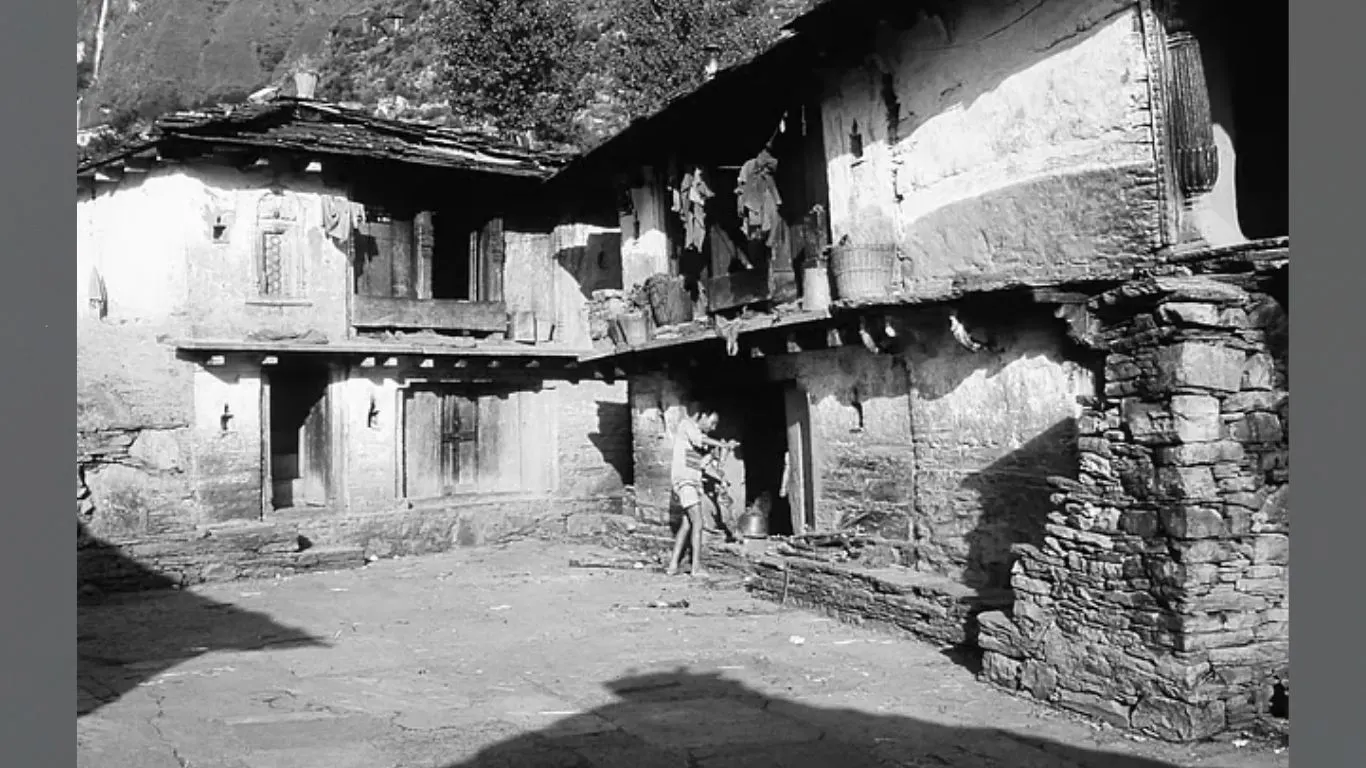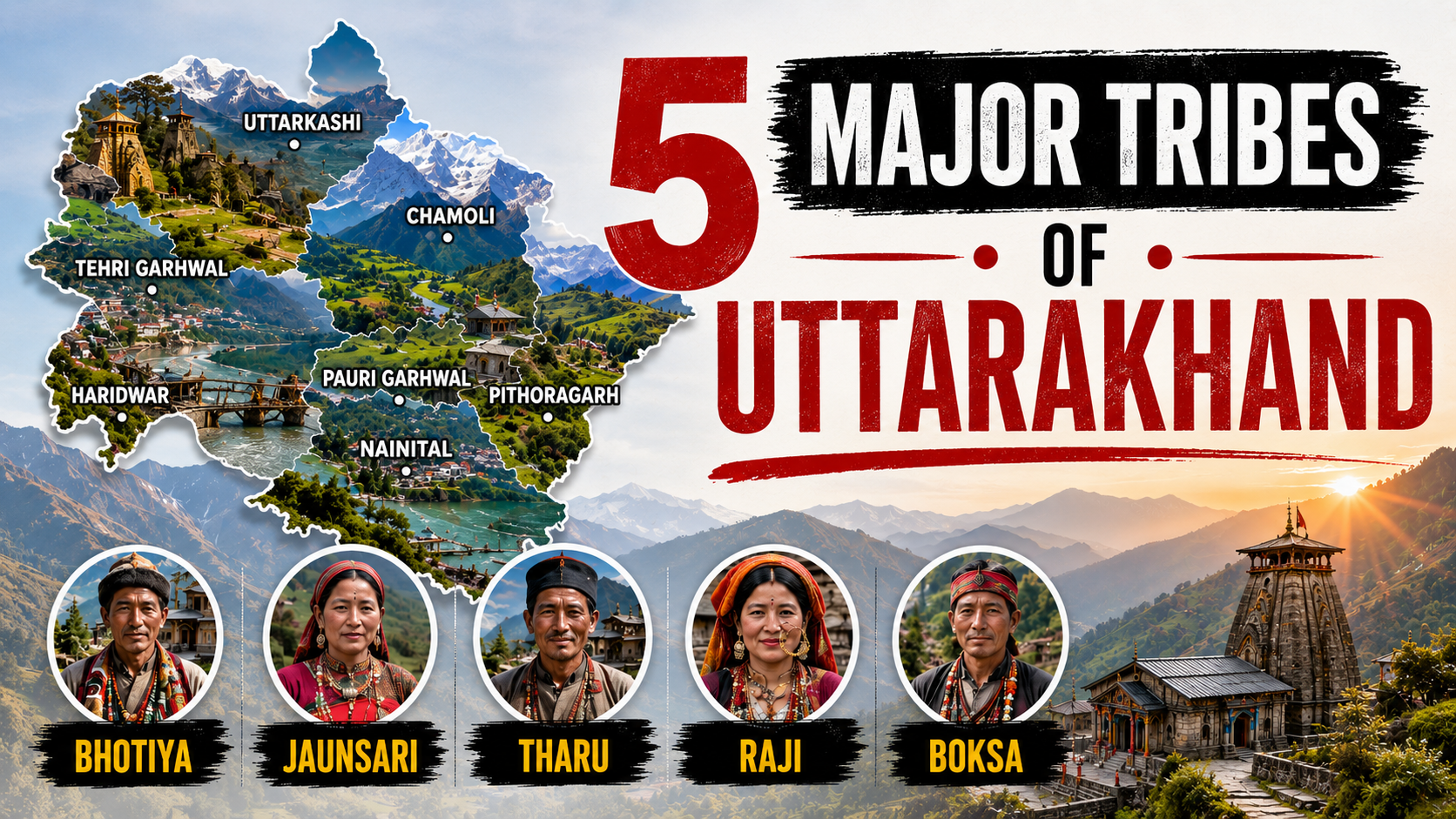
India is home to more than 700 officially recognized tribal groups. According to the last census, 705 different tribes have been recognized, collectively constituting about 8.6 percent of the country’s total population. Today, we take a closer look at five major Scheduled Tribes of Uttarakhand. Some of these communities consider themselves descendants of the Pandavas from the Mahabharata, while others are known as Banrawats, or the “people of the forests.”
Jaunsari
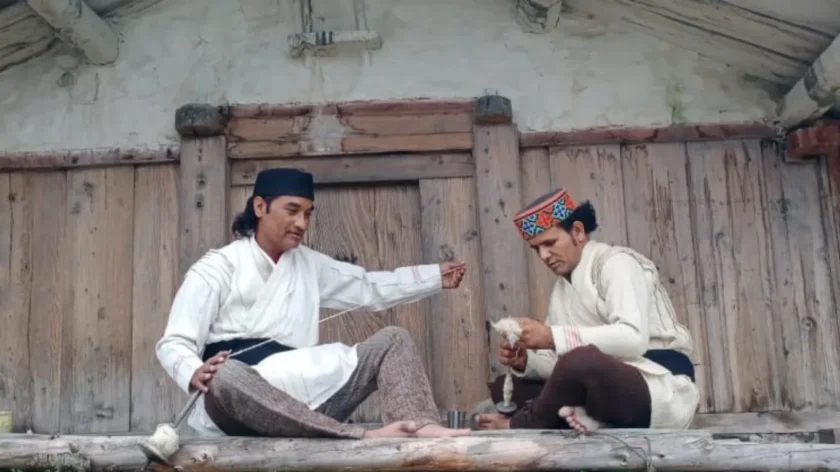
The Jaunsari community is the largest tribal group in Uttarakhand. They primarily reside in the Jaunsar-Bawar region of Dehradun district. A popular belief within the community is that they are descendants of the Pandavas from the Mahabharata. Historically, the Jaunsari society practiced polyandry, a custom in which a woman married more than one brother. However, due to education, modern laws, and social changes, this practice has almost disappeared. Their major festivals include Bissu, Jagda, and Magh Mela, all celebrated with great enthusiasm and grandeur. Harul and Barda Nati are among the community’s most famous folk dances.
Tharu
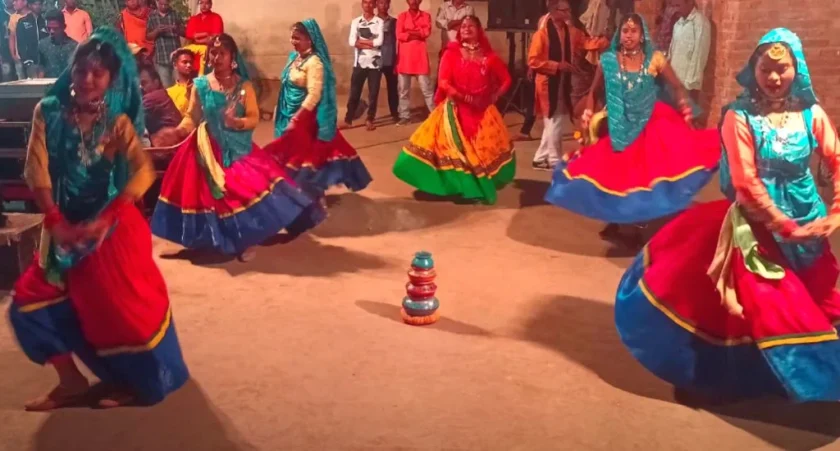
The Tharu are the second-largest tribal community in Uttarakhand and mainly inhabit the Terai regions of Udham Singh Nagar district. They possess a distinct culture, identity, and traditions that set them apart from other communities. Women hold an important position in Tharu society and play significant roles in family life, agriculture, and social activities. The community’s livelihood is largely based on farming and animal husbandry. With the spread of education, members of the Tharu community are increasingly advancing in various professional fields. The Tharu are also known for their vibrant festivals, folk songs, and folk tales, making them an integral part of Uttarakhand’s cultural heritage.
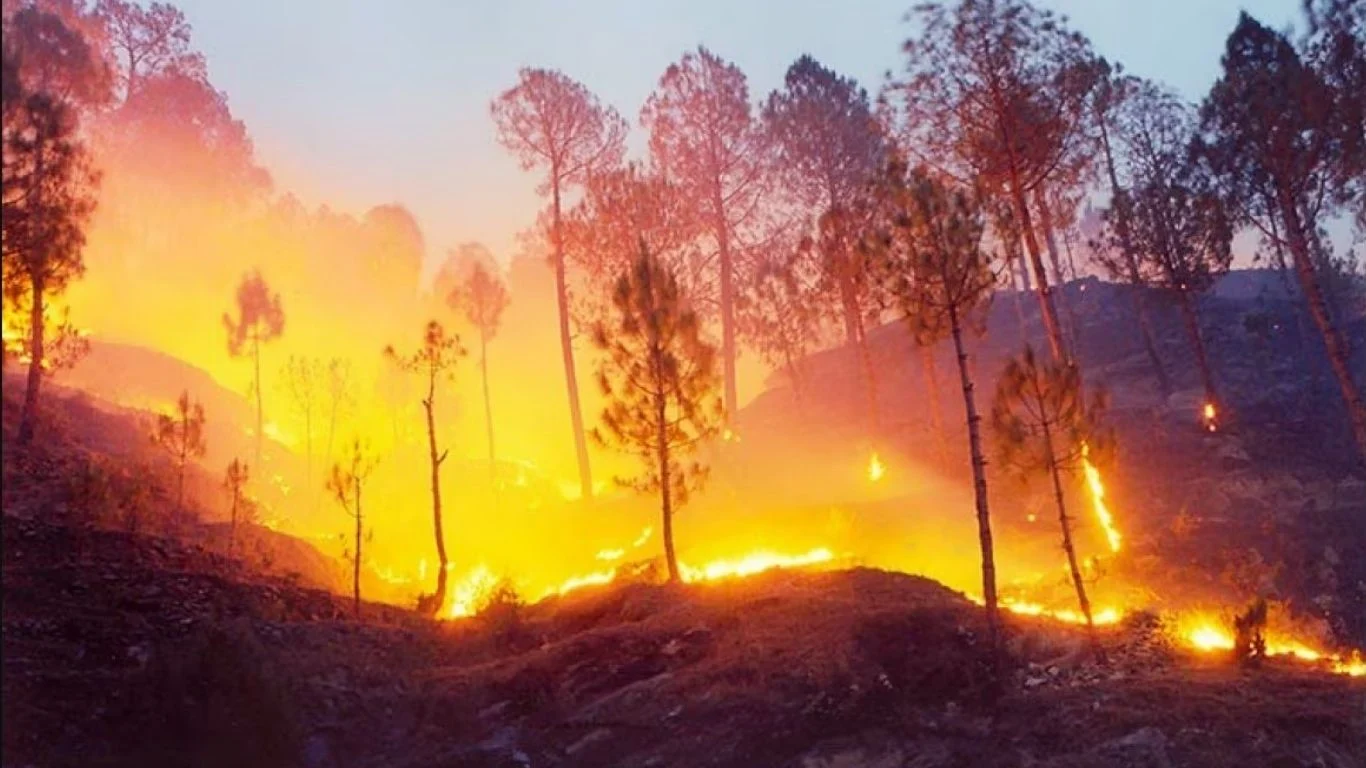
Also read: Uttarakhand forests are burning once again. Here’s why
Bhotiya
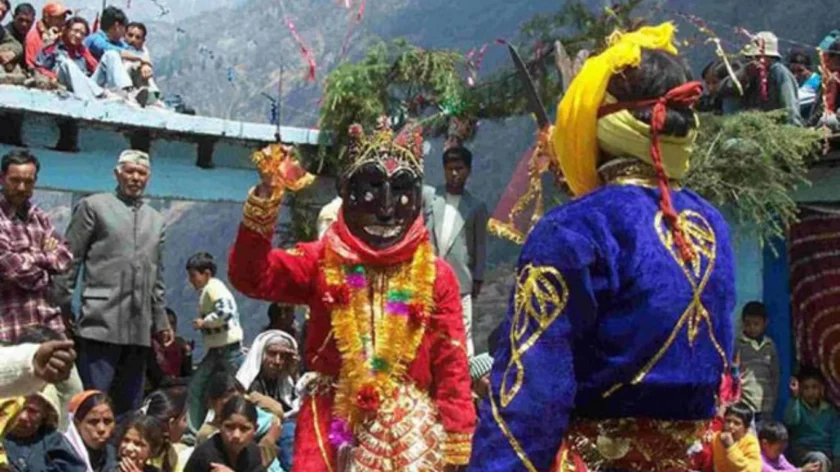
The Bhotiya are one of Uttarakhand’s prominent tribal communities. They reside in the high Himalayan regions of Pithoragarh, Chamoli, and Uttarkashi districts. During winter, when heavy snowfall occurs, Bhotiya families migrate to lower valleys and return to higher altitudes during summer. Before the 1962 India-China War, they were actively involved in trade with Tibet, exchanging wool, salt, and other goods. The community is renowned for producing high-quality woolen products such as shawls, carpets, blankets, and other textiles.The Bhotiya community consists of several sub-groups, including Johari, Tolchha, Marchha, and Jadh. They remain an important part of Uttarakhand’s cultural and economic heritage.
Buksa
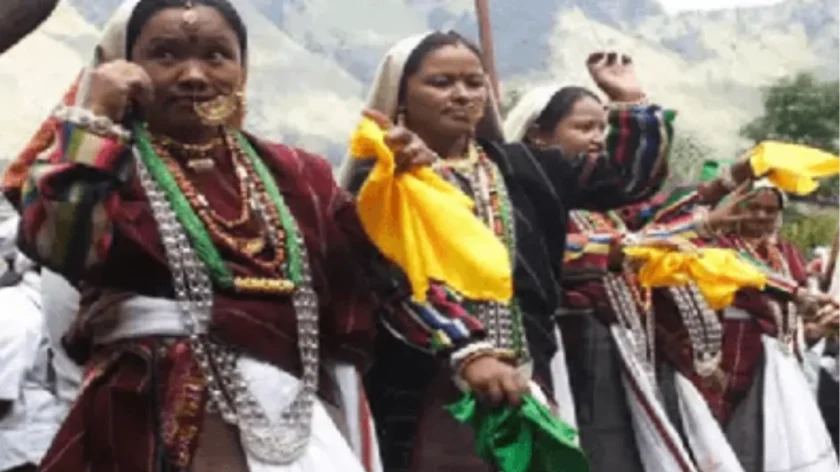
The Buksa community primarily inhabits Nainital and the surrounding Terai-Bhabar regions. A traditional belief within the community suggests that their ancestors migrated from Chittorgarh in Rajasthan, although there is no conclusive historical evidence to support this claim. The Buksa have a traditional council known as the Takhat, which is responsible for resolving social and family disputes. They worship Maa Bal Sundari and several local deities. The Bal Sundari Temple in Kashipur is one of their major religious centers. The Buksa are known for their simplicity, hard work, and commitment to preserving their traditional culture.
Raji
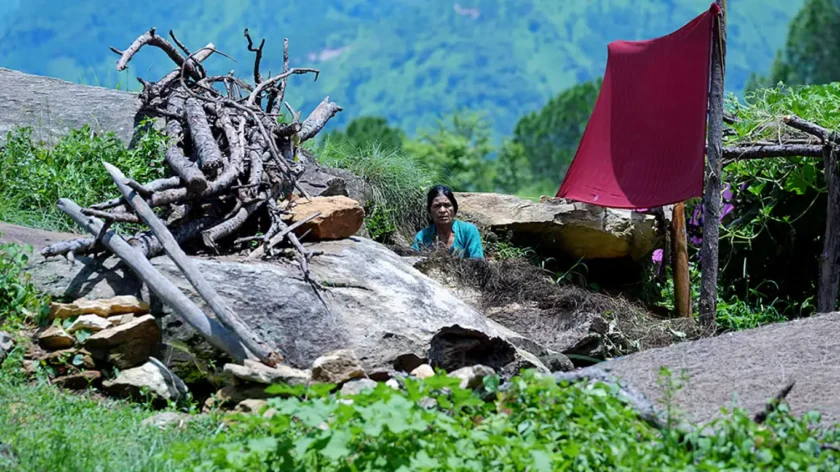
The Raji are among the smallest tribal communities in Uttarakhand. They mainly live in the forests and border hill regions of Pithoragarh and Champawat districts. Due to their small population and socio-economic challenges, the Government of India has classified them as a Particularly Vulnerable Tribal Group (PVTG). In earlier times, the Raji practiced a form of silent trade with local communities. They would leave handmade goods at a designated place and later collect grains or other necessities left in exchange, without the two parties meeting face-to-face.
The Raji are also known as Banrawats, as they traditionally lived in forests and depended on hunting, forest produce, and wild roots and tubers for survival. Today, while the community is increasingly connected to education and modern facilities, it continues to preserve its rich cultural traditions and heritage.