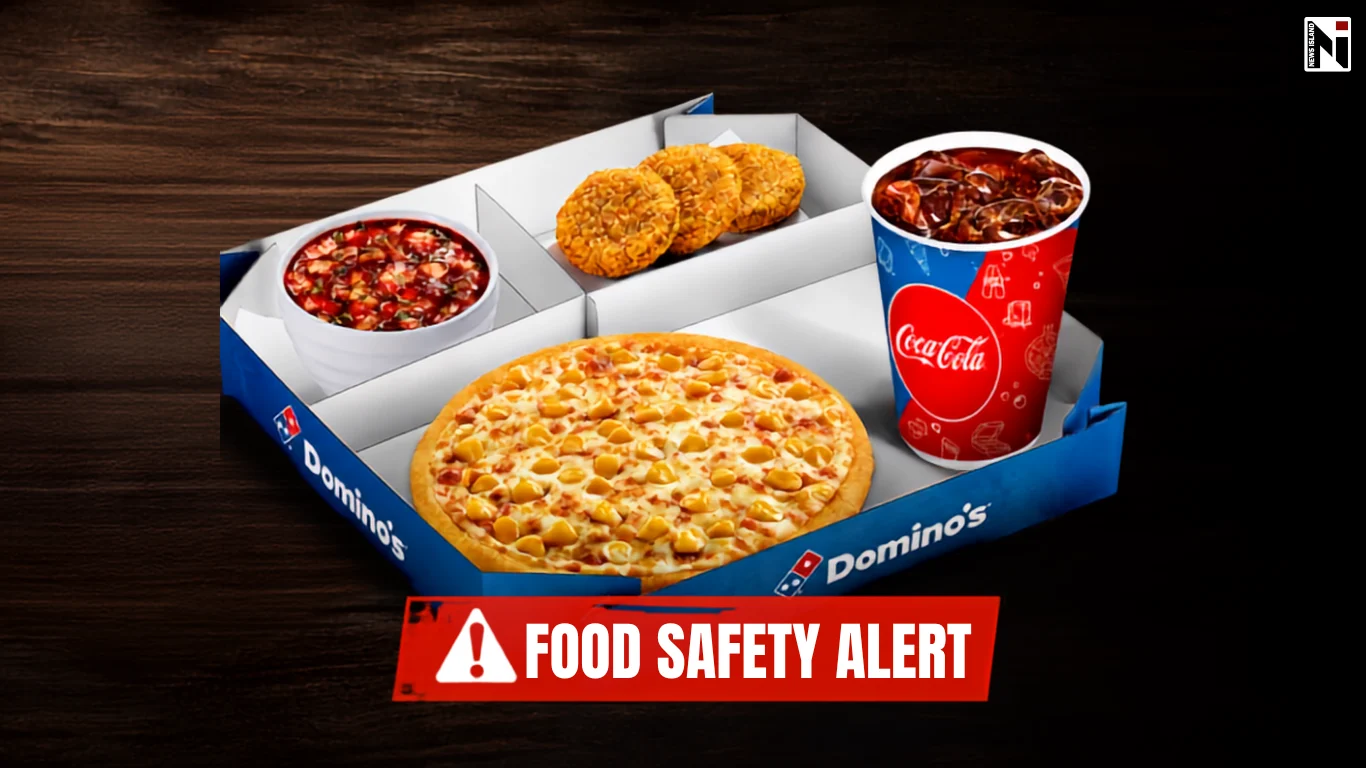
Maharashtra FDA has suspended the licences of four Domino’s outlets for violating food safety and hygiene standards. Here is what the inspection found and what the action means for food safety compliance.
New Delhi: The Maharashtra Food and Drug Administration has raised serious concerns over food safety and hygiene after suspending the food business licences of four Domino’s Pizza outlets in the state. The action was taken following inspections that reportedly found violations related to food storage, temperature monitoring, cleanliness, pest control and sanitation.
Three of the affected outlets are located in Mumbai, including Vile Parle West, Borivali West and R-City Mall in Ghatkopar West. The fourth outlet is located in Malkapur, Karad, in Satara district.
The action was not based on a single complaint. It came as part of a wider inspection drive carried out by the Maharashtra FDA to check food safety and hygiene standards at major restaurant and food chain outlets across the state.
Which Domino’s Outlets Faced Action?
The Maharashtra FDA suspended the food business licences of four Domino’s outlets. These include outlets in Vile Parle West, Borivali West and R-City Mall in Ghatkopar West, Mumbai. The Domino’s outlet located in Malkapur, Karad, Satara, was also included in the action.
The outlets are operated by Jubilant FoodWorks Ltd, which operates Domino’s Pizza in India.
It is important to clarify that the FDA action is against specific outlets and not against the Domino’s brand as a whole. The suspension followed inspections in which particular outlets were found to have failed to meet required food safety and hygiene standards. Therefore, the action against four outlets should not be interpreted as a finding against every Domino’s outlet across India.
Inspection Covered 104 Outlets
The Maharashtra FDA inspected a total of 104 outlets of major restaurant and food chains across the state as part of the inspection campaign.
The drive included outlets of several well-known food brands, including Domino’s, KFC, Pizza Hut, McDonald’s, Subway, Burger King, Starbucks and Monginis. The purpose of the inspections was to assess food safety, hygiene, food storage, sanitation and compliance with the applicable regulatory requirements.
According to reports, the inspection drive resulted in 95 improvement notices being issued. Five food business licences were also suspended with immediate effect. Four of the suspended licences belonged to Domino’s outlets, while one involved a Pizza Hut outlet.
The inspections highlight the growing focus of food safety authorities on compliance within large restaurant and fast-food chains.
What Food Safety Problems Were Found?
The Maharashtra FDA reportedly identified several food safety and hygiene-related shortcomings during the inspections.
These included problems with proper food storage, temperature monitoring, cleanliness, pest control and sanitation. Such issues are important because food safety depends not only on the quality of ingredients but also on how food is stored, handled, prepared and served.
Temperature control is particularly important in food businesses. Certain food products need to be stored and handled within appropriate temperature ranges to reduce the risk of bacterial growth. Failure to maintain proper temperatures can increase the possibility of food contamination and spoilage.
Similarly, restaurants need to maintain clean food preparation areas, properly sanitised equipment and appropriate pest control systems. Raw and cooked food also needs to be handled carefully to prevent cross contamination.
Reports also stated that two Domino’s outlets showed significant non-compliance with requirements linked to Schedule 4 of the Food Safety and Standards Regulations. The reported non-compliance was around 54 percent at the Borivali outlet and around 47 percent at the Karad outlet.
Why Is Schedule 4 Important?
Food businesses in India are required to follow prescribed food safety and hygiene standards. These requirements cover various aspects of food handling, storage, preparation, sanitation, cleanliness and operational hygiene.
The Maharashtra Food and Drug Administration is responsible for implementing food safety regulations in the state, in coordination with the Food Safety and Standards Authority of India.
The FDA has powers related to food business licensing and can take regulatory action when food businesses fail to comply with the applicable requirements. Depending on the nature and seriousness of violations, authorities can issue notices and take further action, including suspension of licences.
The suspension of a food business licence is therefore more than a routine administrative step. It indicates that the regulator found compliance issues serious enough to warrant action against the concerned establishments.
What Does the Action Mean for Consumers?
The action also carries an important message for consumers. A well-known brand name does not automatically guarantee that every outlet is maintaining the required food safety standards at all times.
Consumers generally expect major food chains to maintain high standards of cleanliness, food storage, temperature control and sanitation. Regulatory inspections play an important role in checking whether these standards are actually being followed at individual outlets.
At the same time, it is important to distinguish between verified regulatory findings and claims circulating on social media. Customer experiences and online comments should not automatically be treated as official findings unless they are supported by the relevant food safety authority or inspection records.
In this case, the confirmed issue is the regulatory action taken by the Maharashtra FDA following its inspections.
A Message for the Entire Food Industry
The Maharashtra FDA action is significant because the inspection campaign was not limited to Domino’s. The inspection of 104 outlets across major food and restaurant chains shows that food safety compliance is being closely monitored across the sector.
The issuance of 95 improvement notices also indicates that food safety authorities identified compliance issues at multiple establishments.
For restaurants and fast-food chains, the development serves as a reminder that maintaining food safety standards requires continuous monitoring. Proper storage, temperature checks, sanitation, pest control, employee hygiene and safe food handling need to be part of everyday operations rather than measures adopted only during inspections.
The Maharashtra FDA has also highlighted its broader mission through the message Safe Food, Safe Drugs, Safe Maharashtra.
What Happens Next?
The suspension of the four Domino’s licences puts the focus on corrective action. The affected outlets will need to address the deficiencies identified during the inspections and demonstrate compliance with the required food safety standards before the regulatory process can move forward.
For consumers, the incident reinforces a basic but important point. Food safety is not determined by the popularity of a restaurant or the reputation of a brand. It depends on whether the food is stored, prepared and served under proper hygiene and safety conditions.
The Maharashtra FDA’s action against four Domino’s outlets should therefore be viewed not simply as a development involving one fast-food company, but as a broader reminder about the importance of food safety compliance across the restaurant industry.
For large food chains in particular, maintaining consistent standards across every outlet is essential. A brand may have hundreds or thousands of locations, but food safety is ultimately experienced by consumers at the individual outlet level.
The latest action sends a clear message that popularity and market presence do not provide an exemption from food safety regulations. Restaurants and food businesses, regardless of their size or brand value, are expected to comply with the standards established by the authorities.
For consumers, the most important takeaway is equally clear. When it comes to food, brand reputation matters, but safety, hygiene and proper handling matter even more.