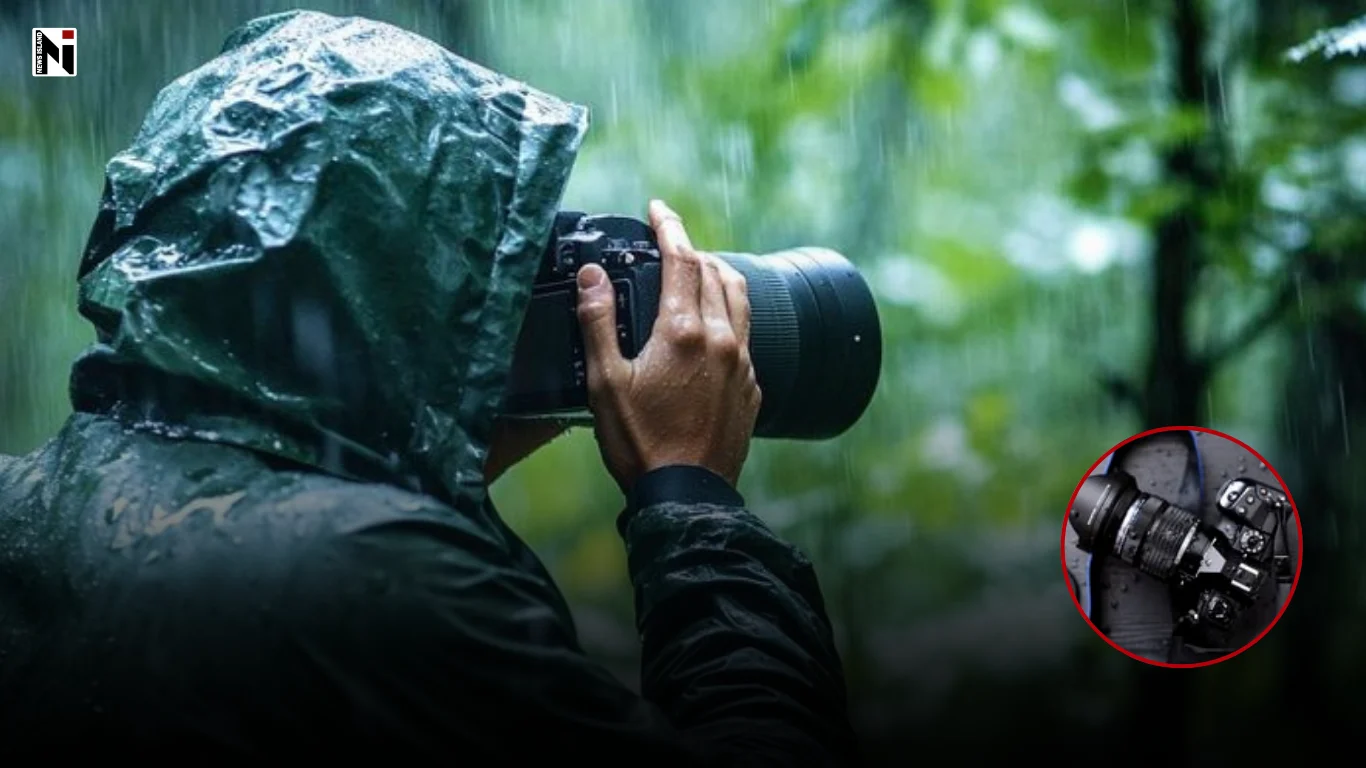
The rainy season can be fantastic for photography and videography, but water and moisture pose a significant threat to your camera. Learn essential tips to keep your DSLR, mirrorless camera, lenses, and other gear safe during the monsoon.
New Delhi: The rainy season brings beautiful scenery, lush greenery, and wonderful photography opportunities. Raindrops, clouds, reflections on wet roads, and natural landscapes can yield stunning shots for any photographer or videographer. However, as beautiful as this season is, it can be equally hazardous for your DSLR, mirrorless camera, lenses, and other camera gear.
Water and moisture can damage a camera’s electronic components. Additionally, persistent humidity increases the risk of fungus growth inside the lens. Therefore, if you are shooting outdoors during the rainy season, taking certain precautions is crucial.
Why is Rain Dangerous for Cameras?
Most cameras are not fully waterproof. Even light rain or a few stray drops entering the camera body can damage the electronic circuits. Water ingress near the battery compartment, memory card slot, and buttons is particularly risky.
It isn’t just rainfall that causes problems during the monsoon; high levels of moisture and humidity in the air can also be harmful to your equipment. Prolonged exposure to damp conditions can lead to fungus developing inside the lens, which can compromise image quality.
Use a Waterproof Camera Bag
The first step to keeping your camera safe during the rainy season is using a good water-resistant or waterproof camera bag. Standard backpacks often fail to block water completely, meaning moisture can reach your camera and lenses during heavy rain.
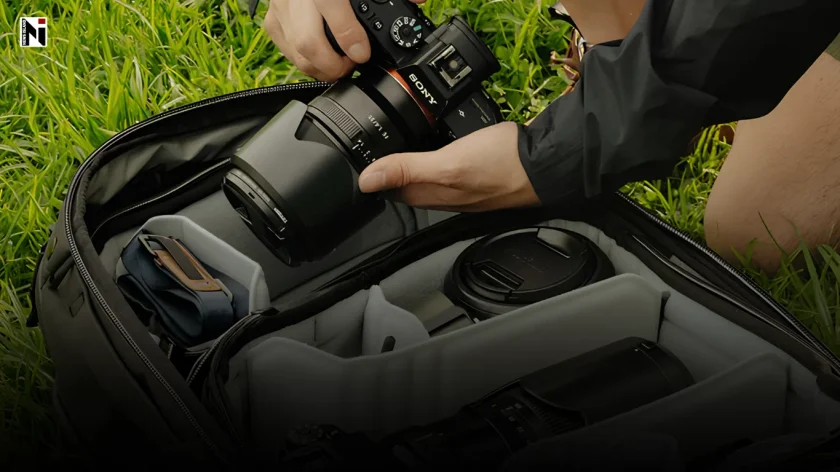
If you don’t own a waterproof camera bag, you can purchase a separate rain cover for your bag. Always ensure that your camera gear remains protected from direct exposure while shooting outdoors.
Always Carry a Camera Rain Cover
A camera rain cover can be an incredibly useful accessory for outdoor photographers. It helps shield the camera body and lens from water, and many transparent covers allow you to easily operate the camera controls while in use.
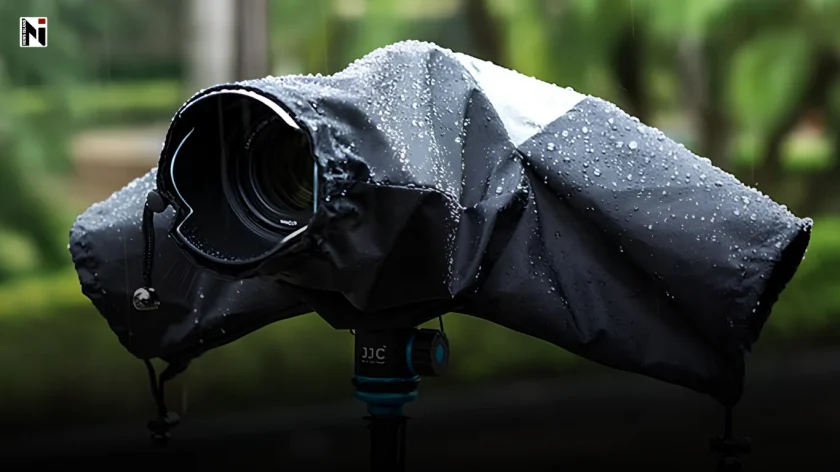
If you plan to shoot in wet weather, make sure to keep a rain cover in your camera bag. It can provide an extra layer of protection for your expensive equipment during sudden downpours.
Exercise Extra Caution When Changing Lenses
Changing lenses during rainy or highly humid weather can be risky. When you detach the lens from the camera body, the internal components are exposed for a brief period. During this time, moisture, water droplets, or dust can enter the camera.
Therefore, avoid changing lenses in open areas while it is raining. If a lens change is necessary, move to a dry and sheltered location. Try to complete the process quickly and carefully.
Control Moisture with Silica Gel
Silica gel packs can be very beneficial for your camera gear during the monsoon season. These small packets help absorb excess moisture present in the air.
You can place silica gel packs inside your camera bag, specifically in the compartments where the camera and lenses are stored. However, remember that silica gel needs to be replaced or recharged periodically.
While this method may not eliminate humidity entirely, it helps reduce dampness inside the camera bag.
What to Do If Your Camera Gets Wet in the Rain?
If your camera gets wet during a shoot, the most important thing is do not panic and try to turn it on immediately.
First, switch off the camera. Then, carefully remove the battery and memory card. Gently wipe away any external water using a clean, dry microfiber cloth.
Using the camera immediately without knowing if water has entered the interior can worsen the damage. Turning on a wet electronic device carries the risk of a short circuit. If the camera has become thoroughly wet, taking it to a professional camera service center might be the best option.
Is it safe to dry a camera with a hair dryer?
Many people use hair dryers to quickly dry wet electronic devices, but this is not always considered a safe method for cameras.
A blast of hot air can damage the camera’s sensitive components and the lens. Additionally, a strong stream of air can push moisture deeper into the device.
Therefore, avoid using excessive heat to dry the camera. It is better to let it air-dry naturally in a safe, dry, and well-ventilated area.
How to protect against lens fungus during the monsoon?
Lens fungus is one of the biggest issues camera owners face during the rainy season. In high-humidity environments, fungus can grow inside the lens and gradually degrade image quality.
To prevent lens fungus, avoid keeping your camera and lenses in damp areas for extended periods. Prevent moisture buildup in your camera bag and use silica gel packs when necessary.
If you own several expensive lenses and engage in professional photography, consider using proper humidity-controlled storage, such as a dry cabinet.
Do Not Immediately Put the Camera in the Bag After an Outdoor Shoot
Many people place their camera directly into the bag after shooting in the rain. However, if there is moisture on the camera or lens, it can get trapped inside the closed bag.
Upon returning home, first clean the camera body and lens with a microfiber cloth. Store the camera safely only after removing any water or moisture from its exterior.
It is also essential to use lens caps and camera body caps to prevent dust and moisture from getting inside.
Carry Extra Batteries and a Microfiber Cloth
When heading out for an outdoor shoot during the rainy season, simply taking your camera along isn’t enough. Make sure to pack some essential accessories in your bag.
These include:
- Camera Rain Cover
- Waterproof or Water-resistant Bag
- Microfiber Cloth
- Silica Gel Packs
- Extra Battery
- Lens Cleaning Cloth
- Protective Lens Hood
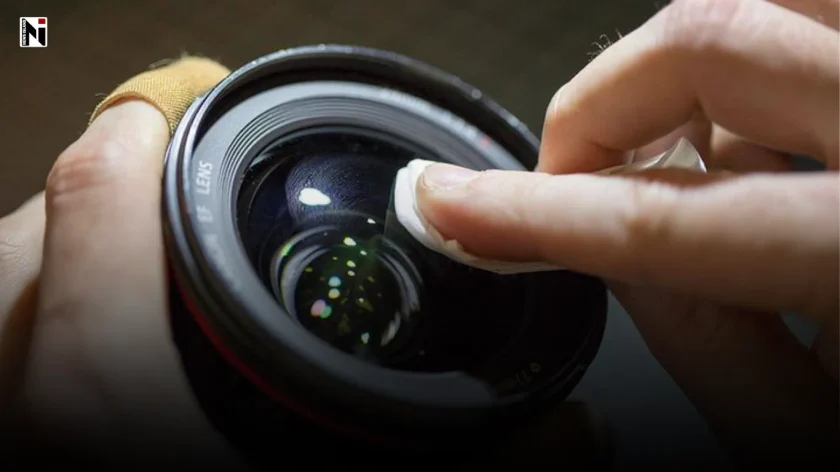
A microfiber cloth is particularly useful, as it allows you to carefully wipe away water droplets from the lens and camera body.
Do Not Be Careless Even with a Weather Sealed Camera
Some DSLR and mirrorless cameras feature weather sealing, allowing them to better withstand light rain and dust. However, this does not mean these cameras are completely waterproof.
Using even a weather-sealed camera in heavy, continuous rain can be risky. Therefore, using a rain cover and other protective measures is crucial to safeguard your expensive equipment.