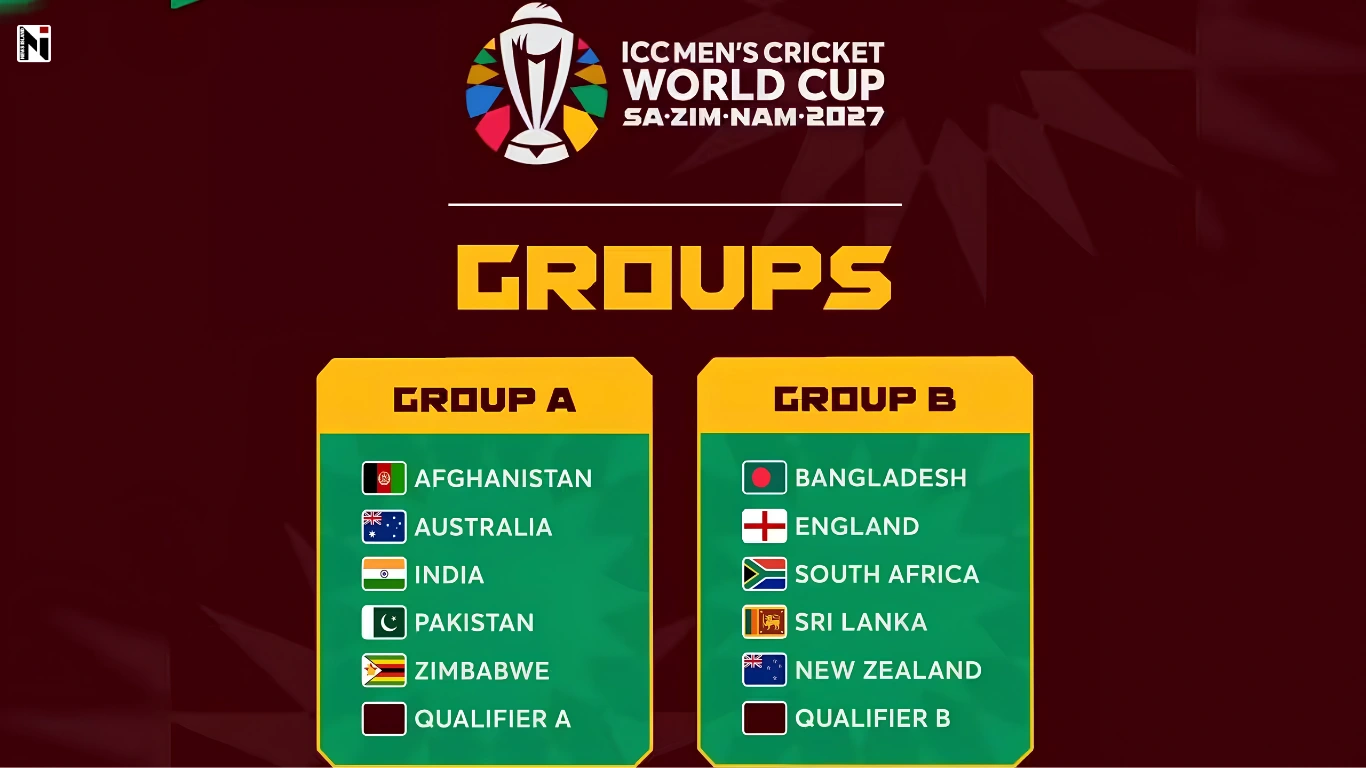
Political tensions between the Bangladesh Cricket Board and global cricket authorities now threaten Bangladesh’s participation in the 2026 T20 World Cup, scheduled to be hosted in India and Sri Lanka.
New Delhi: The 2026 T20 World Cup is a major moment for Asian cricket. India and Sri Lanka will host the tournament, and expectations remain high across the region. However, the build-up has taken a tense turn. A growing dispute between Bangladesh and cricket’s governing bodies now overshadows the event.
Bangladesh’s players want to compete in the tournament. They see the World Cup as a crucial platform to test themselves at the highest level. Despite this, the Bangladesh Cricket Board (BCB) and the country’s political leadership have taken a firm position. They have expressed security concerns and refused to allow the team to play matches in India.
As a result, uncertainty has clouded Bangladesh’s participation. Instead of excitement, the tournament now faces political friction. Meanwhile, with an ultimatum looming from the International Cricket Council, Bangladesh risks replacement by Scotland if the standoff continues.
Politics vs pitch
Political tensions between India and Bangladesh have intensified in recent months. Consequently, trust between the two sides has weakened. The BCB has closely followed these developments and grown increasingly cautious.
The situation worsened after Mustafizur Rahman’s release from the Kolkata Knight Riders. Many within Bangladesh believe the decision followed pressure from the Board of Control for Cricket in India. This episode further strained relations and reinforced the BCB’s reluctance to send players to India.
In early January 2026, the BCB formally asked the ICC to move Bangladesh’s India-based matches to Sri Lanka. However, the ICC rejected the request. The governing body stated that it found no credible threat to the team’s safety and confirmed that India’s security arrangements met global standards.
Players’ plea ignored
On January 22, 2026, senior officials and players met in Dhaka to discuss the issue. The meeting included Sports Adviser Asif Nazrul, BCB President Aminul Islam, and key members of the national team. Captain Najmul Hossain Shanto and senior batter Litton Das strongly argued in favour of travelling to India.
Both players made it clear that they wanted to compete. They believed cricket should remain separate from political decisions. Nevertheless, officials informed them that authorities had already taken the final call. The players had no role in the decision-making process.
The mood inside the camp turned bleak. “Cricket is over for us,” one player reportedly said, reflecting the frustration within the squad. Many players now feel trapped in a political dispute they neither caused nor support.
The ‘Double Standard’ allegation
The BCB has also accused the ICC of inconsistency. Officials frequently cite the 2025 Champions Trophy, where India shifted its matches from Pakistan to the UAE over security concerns.
Also read: IND vs NZ T20 Highlights: India Beats New Zealand by 48 Runs in First T20I
According to the BCB, the ICC must apply the same standards to all teams. If India could refuse to travel to Pakistan, Bangladesh argues, it should also have the right to avoid playing in India. The board insists that fairness, not defiance, drives its stance.
However, the ICC has maintained its position. The governing body has reiterated that World Cup logistics remain fixed and that India offers world-class safety protocols.
What is at stake?
A complete boycott of the T20 World Cup would severely damage Bangladesh cricket. Players would lose a rare opportunity to perform on the global stage. Such an absence could affect morale and stall individual careers.
The BCB would also face consequences. Disqualification could trigger financial losses and strain relations with the ICC. Over time, Bangladesh could find itself diplomatically isolated, with other nations hesitant to schedule tours or series.
Most importantly, fans would suffer. Millions of supporters would miss the chance to watch their national team compete at cricket’s biggest event.
For now, Bangladesh’s participation in the ICC Men’s T20 World Cup 2026 remains uncertain. The ICC’s warning leaves the BCB with a stark choice: play in India or exit the tournament. While administrators seek parity and justice, players remain caught in the middle, watching their World Cup dreams slip away.
The coming days will decide whether diplomacy can bridge the gap—or whether politics will once again claim a sporting casualty.