Maa Kaalratri’s dark form inspires devotees to face fear and embrace strength on Navratri Day 7
New Delhi: Navratri is one of the most sacred Hindu festivals. People celebrate it with devotion, fasting, and colorful traditions. Each day of Navratri has a special meaning and an associated color. The seventh day, dedicated to Maa Kaalratri, is unique because devotees wear dark colors, mainly black, navy blue, or deep purple. Although black is usually avoided in many rituals, on this day it holds a very special spiritual significance.
Table of contents
Who is Maa Kaalratri?
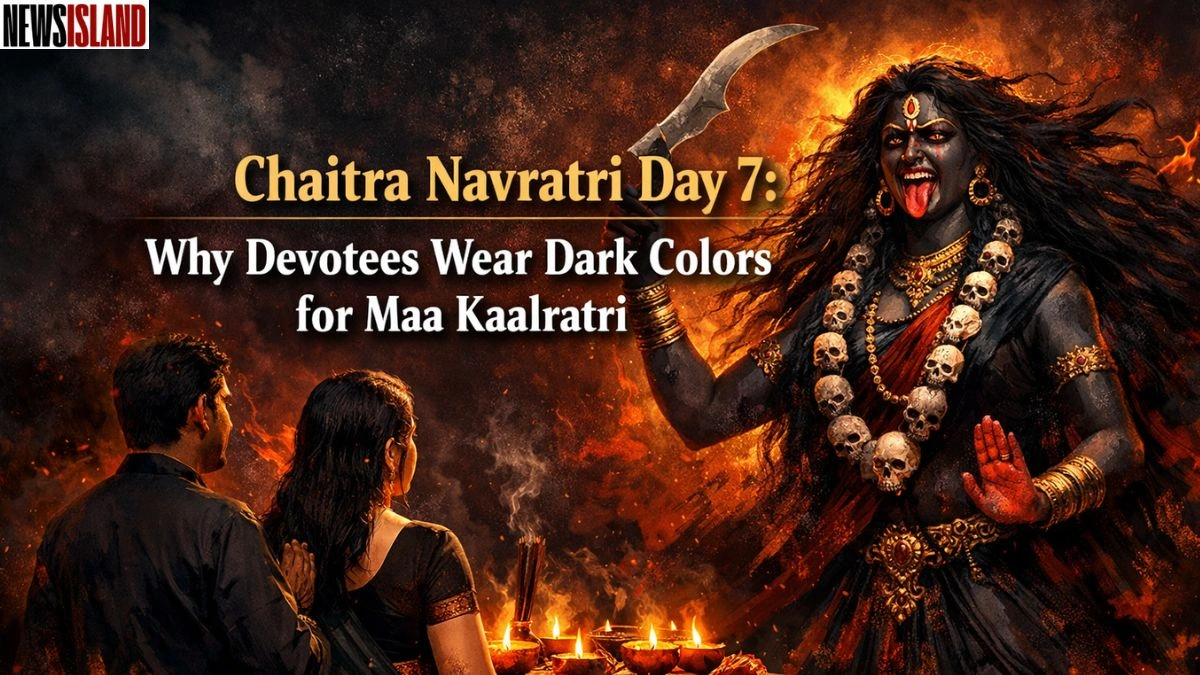
Maa Kaalratri is the seventh form of Goddess Durga and is known as the fiercest form of the goddess. She represents the destruction of evil, negativity, and ignorance. Even though she has a fearsome appearance with dark skin, open hair, and a powerful look, she is very kind and protective toward her devotees.
Her name explains her meaning. Kaal means time or death and Ratri means night. Together, the name Maa Kaalratri shows that she is the dark night who removes fear, ignorance, and evil forces from life.
Significance of Dark Colors
Devotees wear dark colors to align with Maa Kaalratri’s energy. Her dark form represents the cosmic darkness before creation and the destruction of negativity. Spiritual experts explain that black absorbs harmful energy and symbolizes power, protection, and mystery. Wearing these shades allows devotees to invite Maa Kaalratri’s blessings, gain courage, and feel secure.
What Dark Colors Represent
Removing Negativity
Black symbolizes the absorption of negative energy. By wearing dark shades, devotees show their intention to eliminate fear, stress, and harmful influences from their lives.
Strength and Protection
Dark colors reflect authority and strength. Maa Kaalratri protects her followers, and wearing these shades enhances a sense of security under her divine care.
Courage and Fearlessness
Maa Kaalratri inspires devotees to confront their fears boldly. Dressing in black or dark tones represents inner courage and confidence when facing challenges.
Spiritual Growth
Her form symbolizes transformation from darkness to light. Dark colors encourage introspection and spiritual development.
Cosmic Reality
In Hindu philosophy, darkness does not always signify negativity. It represents the infinite universe and the unknown. Wearing dark colors helps devotees connect to the ultimate truth of creation and destruction.
Why Black is Special Today
Although black is often avoided in auspicious events because it is associated with mourning or negativity, it becomes powerful and protective on Navratri Day 7. The color symbolizes that even darkness has a purpose: it eliminates evil and clears the path for light.
Regional Variations in Color Tradition
The color tradition for Day 7 varies across regions. In most areas, black or dark shades are worn, while some regions prefer royal blue to symbolize stability and power. Occasionally, orange may be chosen to signify energy and transformation. Regardless of the color, the focus remains on strength, protection, and removing negativity.
Rituals and Practices
Devotees perform rituals to honor Maa Kaalratri. They chant mantras such as Om Devi Kaalratryai Namah and offer jaggery and sesame seeds. Lighting diyas helps remove darkness, and meditation brings courage, clarity, and confidence. These practices are believed to protect devotees from harm and attract positivity.
Modern Trends
Wearing Navratri colors has become a cultural trend today. People wear traditional outfits like sarees, lehengas, or kurtas in black or dark shades. They also share festive pictures on social media while respecting the spiritual meaning of the day. This shows that devotion and modern celebration can coexist beautifully.
Also Read: Navratri Day 7: All You Need to Know About Maa Kalaratri Puja and Mantras
Conclusion
Dressing in dark colors on Navratri Day 7 carries deep spiritual significance. It symbolizes light overcoming darkness, courage conquering fear, and positivity replacing negativity. Dark shades allow devotees to connect with Maa Kaalratri’s protective energy, gain confidence, and grow spiritually.
By offering prayers and wearing dark tones, devotees honor Maa Kaalratri’s teachings, face challenges boldly, remove negativity from their lives, and emerge stronger and enlightened.
Estimated reading time: 4 minutes