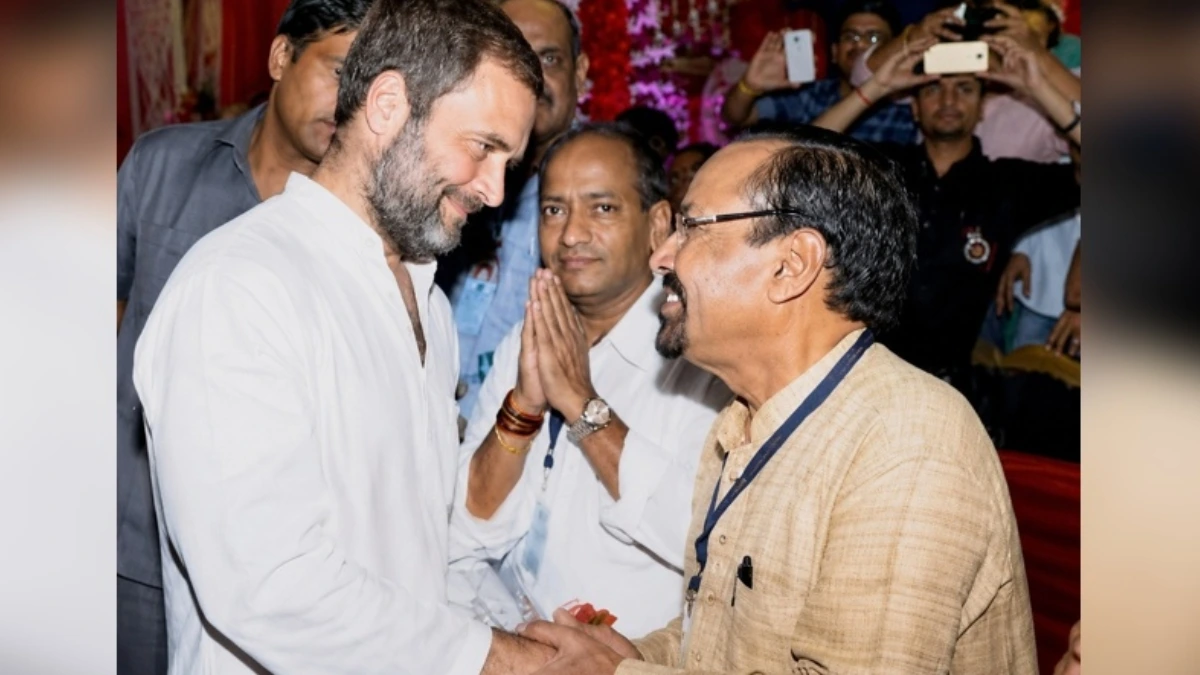
Justice Surya Kant, the new Chief Justice of India, brings decades of legal expertise, constitutional insight, and a strong commitment to efficient, citizen-centric justice delivery.
Justice Surya Kant takes oath as the 53rd Chief Justice of India, taking over from Justice Bhushan R. Gavai at a ceremony held in Rashtrapati Bhavan. His tenure will continue until February 9, 2027, following the established practice of seniority in the Supreme Court.
Justice Surya Kant Early Life and Academic Journey
Justice Surya Kant was born on 10 February 1962 in Petwar village in Hisar district, Haryana. His childhood in a rural middle-class family shaped much of his grounded personality. Education remained a focus throughout his youth, eventually leading him to pursue law. His academic journey reached a milestone when Kurukshetra University awarded him an L.L.M degree with a “first class first” distinction in 2011. His rise from a small village to the country’s highest judicial office continues to inspire young legal aspirants.
Legal Career Built Across Four Decades
Justice Surya Kant entered the legal profession in Hisar in 1984, developing a reputation for clarity and fairness early in his practice. A shift to the Punjab & Haryana High Court in 1985 marked the start of his professional growth. Recognition of his expertise led to his appointment as Advocate General of Haryana in July 2000, placing him at the centre of major legal matters.
Judicial responsibilities began in January 2004 when he was elevated as a judge of the Punjab & Haryana High Court. Leadership qualities later took him to the post of Chief Justice of the Himachal Pradesh High Court in October 2018. His journey reached a new pinnacle when he was appointed to the Supreme Court of India on May 24, 2019.
Key Judgments That Shaped National Conversations
Justice Surya Kant’s judicial career includes several notable contributions to India’s constitutional landscape. A major role in cases connected to the abrogation of Article 370 placed him at the centre of a historic legal debate. His order to keep the colonial-era sedition law in abeyance drew national attention, especially when he directed authorities not to register new FIRs under the provision until further review.
Another area of impact involved the Pegasus spyware case, where he highlighted that national security could not serve as an unquestioned shield against judicial scrutiny. Electoral transparency also became a focus when he asked the Election Commission to reveal numbers of voters excluded during Bihar’s electoral roll revision.
Gender equality in legal institutions gained momentum through his direction for one-third reservation for women in bar associations, including the Supreme Court Bar Association. His rulings also restored justice in several individual cases, including the reinstatement of a wrongfully removed woman sarpanch, and upheld the One Rank One Pension (OROP) scheme for defence personnel. Several cases involving the powers of Governors and the President also came before him, along with matters highlighting corruption in the bank-builder nexus.
Judicial Vision and Approach to Reform
Justice Surya Kant is often admired for his calm, empathetic, and constitutionally grounded judicial philosophy. His long-standing association with NALSA demonstrated strong commitment toward improving access to justice for marginalized communities. His tenure as CJI is expected to emphasize judicial transparency, technology-enabled court processes, and reduction of case backlogs.
A significant portion of his leadership is likely to be dedicated to streamlining processes, strengthening institutional efficiency, and ensuring that courts remain accessible and responsive to citizens.
A notable message came from former Andhra Pradesh Chief Minister N. Chandrababu Naidu, who expressed his congratulations on X (Twitter): “Heartiest congratulations to Hon’ble Justice Surya Kant Ji on taking oath as the 53rd Chief Justice of India. Wishing him a successful and inspiring tenure in strengthening justice and constitutional values.”
The message reflected widespread respect for his judicial journey and the expectations associated with his leadership.
Frequently Asked Questions (FAQs)
Q1. What is the duration of Justice Surya Kant’s tenure as Chief Justice?
His tenure will end on February 9, 2027, giving him about 15 months in office.
Q2. Why is his background considered inspirational?
His rise from a rural village in Haryana to the highest judicial post demonstrates how dedication and education can create remarkable opportunities.
Q3. Which major cases did he contribute to before becoming CJI?
His contributions include matters related to Article 370, the sedition law, Pegasus spyware, electoral roll transparency, women’s reservation in bar associations, and OROP.
Q4. What reforms is he expected to prioritize?
He is likely to focus on digital transformation of courts, faster case disposal, transparency, and increased accessibility for citizens, especially those from marginalized communities.
Q5. How would his judicial philosophy be described?
His approach reflects compassion, balance, constitutional integrity, and a consistent emphasis on fairness and accountability.
Q6. How was his appointment received nationally?
Leaders, legal experts, and the public responded positively, with several congratulatory messages expressing confidence in his ability to strengthen judicial institutions.

khushisikarwar is an award-winning journalist and content creator who thrives on telling stories that matter. As a key contributor to Newsisland, [she] focus on cultural commentary, providing readers with thought-provoking insights.