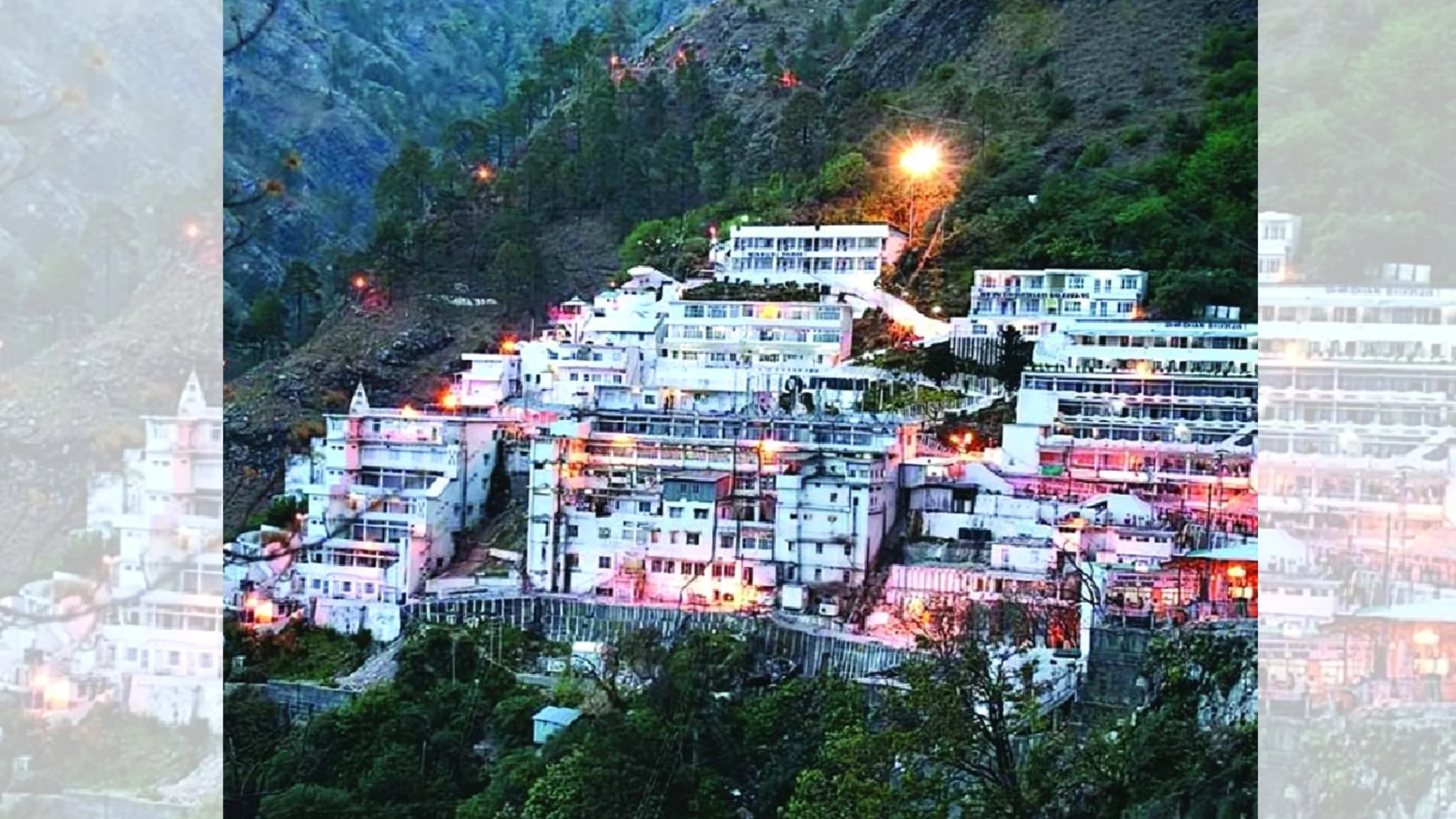
Vaishno Devi silver offering scam exposes fake coins with just 5-6% purity, toxic metals and a major breach of devotees’ faith, raising serious trust concerns
At places of worship, devotees do not just make offerings, they place their faith. When that faith breaks, the damage goes far beyond financial loss. A recent revelation at the revered Vaishno Devi Temple highlights this concern. It exposes large-scale adulteration in silver coins offered by devotees.
20 Tonnes of ‘Silver’ Yield Just 5–6% Purity
Authorities grew suspicious after reports that vendors near the pilgrimage site sold counterfeit coins to devotees. They sent nearly 20 tonnes of “silver” offerings to a government mint for testing. The results revealed that only about 5–6 percent of the material was actual silver.
The Shrine Board had expected to recover silver worth ₹500–550 crore from these offerings. However, testing reduced the estimated value to around ₹30 crore. This sharp drop points to a serious breach of trust.
Toxic Metals Found in Devotee Offerings
Investigators found that many coins, which devotees considered pure silver, actually contained cheaper and harmful metals such as cadmium, iron, and zinc. Cadmium gave the coins a silver-like shine and iron increased their weight. To an untrained eye, the coins looked completely genuine.
Cadmium is highly toxic. It can damage the kidneys, weaken bones, and cause serious health issues with long-term exposure. Zinc, when present in excess or in impure form, can lead to nausea, stomach cramps, and other health problems.
Also read: Kohli vs Gill: Who Will Rule Chinnaswamy Tonight in RCB vs GT Clash?
For many devotees, offering silver coins is not just a ritual. It reflects deep personal belief and devotion. Every year, lakhs of pilgrims visit Vaishno Devi. In 2025 alone, around 69.79 lakh devotees made the journey, according to Shrine Board data.
A Larger Crisis of Trust
The scale of adulteration is troubling. It also points to a deeper erosion of integrity. In a country where people openly express religious identity, the incident raises a difficult question. How far have people moved away from the values they claim to uphold?

Prateeksha Kumari is a journalist and strategic communications professional specialising in digital journalism, political reporting, and public affairs. Her work focuses on grassroots issues, governance, and civic developments, with an emphasis on clarity, accuracy, and narrative-driven reporting.
She holds a Master’s degree in Journalism and Mass Communication from Himachal Pradesh University, Shimla and has qualified the UGC-NET examination, reflecting her academic grounding in media studies and communication research. Her reporting spans politics, public policy, health, education, and socio-economic issues, and she is experienced in bilingual (Hindi and English) content creation tailored to diverse audiences.
Alongside her journalistic work, she brings experience in political communication and public relations, where she has contributed to campaign messaging, media outreach, and narrative building. She has worked on integrated communication strategies across print and digital platforms, combining editorial judgment with audience insight and data-led content approaches.