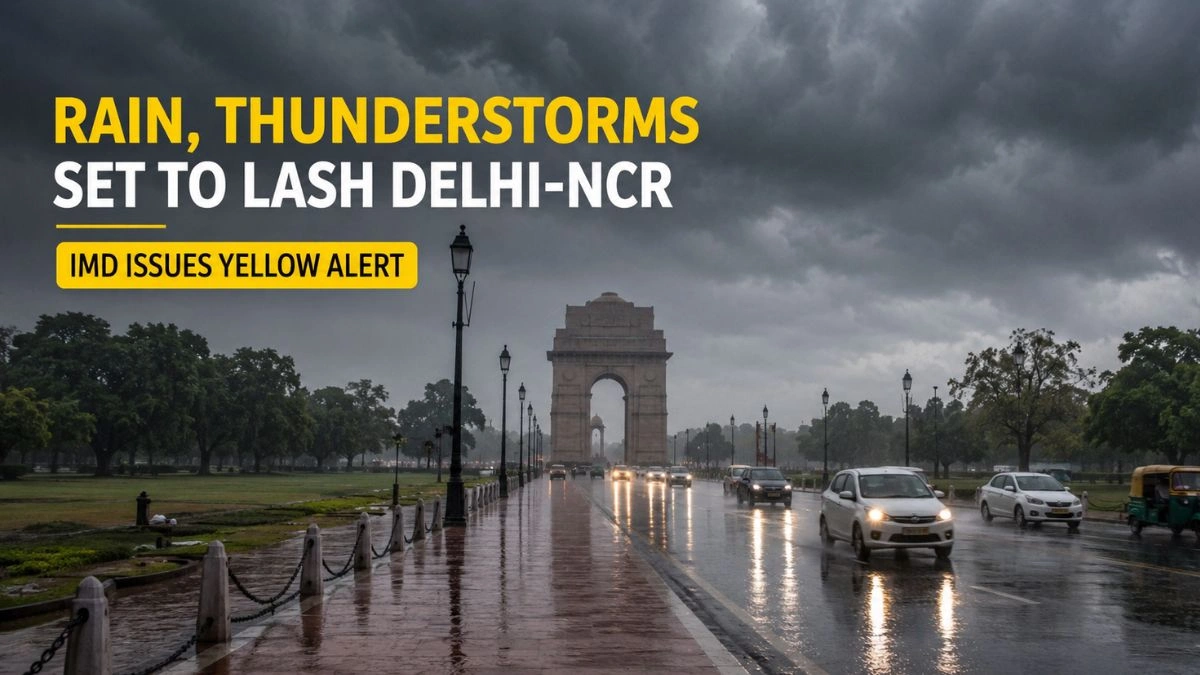
New Metro Lines to Improve Ease of Living, Reduce Congestion, and Cut Pollution in Delhi
New Delhi: The Union Cabinet, chaired by Prime Minister Narendra Modi, has approved three new metro corridors under Delhi Metro’s Phase V(A) Project, thereby strengthening public transport infrastructure in the national capital. Meanwhile, PIB Delhi announced the decision on December 24, 2025, at 3:25 PM.
As part of the project, Delhi Metro will develop three corridors: R.K. Ashram Marg–Indraprastha (9.913 km), Aerocity–IGD Airport Terminal-1 (2.263 km), and Tughlakabad–Kalindi Kunj (3.9 km). Together, these additions will consequently expand the Delhi Metro network by 16.076 km.
The total project cost of Delhi Metro’s Phase V(A) stands at ₹12,014.91 crore, with funding coming from the Government of India, the Government of Delhi, and international funding agencies.
PM Modi Highlights Infrastructure Boost for Delhi
PM Modi welcomed the Cabinet decision and described it as a major step toward improving Delhi’s infrastructure.
In a post on X (formerly Twitter), he said that the approval of three new corridors under Delhi Metro’s Phase V(A) project would expand the metro network, boost Ease of Living, and help reduce congestion across the capital.
Central Vista Connectivity to Benefit Thousands Daily
The Central Vista corridor will provide metro connectivity to all Kartavya Bhawans, ensuring doorstep access for office employees and visitors. This improved connectivity will benefit around 60,000 office-goers and nearly 2 lakh visitors on a daily basis.
Also Read: E-Cell MERI College Scripts a Stunning Turnaround at NEC 2025, Finishes Among India’s Top Five
These metro corridors will also help reduce pollution by lowering road traffic and cutting the use of fossil fuels, contributing to cleaner air and a better urban environment.
Corridor Extensions to Improve Airport
The new R.K. Ashram Marg–Indraprastha stretch will act as an extension of the Botanical Garden–R.K. Ashram Marg metro line. This extension will connect West Delhi, North Delhi, and Old Delhi with Central Delhi, including the redeveloped Central Vista area.
The Aerocity–IGD Airport Terminal-1 and Tughlakabad–Kalindi Kunj sections will extend the Aerocity–Tughlakabad corridor, improving airport connectivity with South Delhi areas such as Tughlakabad, Saket, Kalindi Kunj, Chhattarpur, and nearby localities.
Stations Planned Across Underground and Elevated Sections
The three corridors will include a total of 13 metro stations, out of which 10 stations will be underground and 3 stations will be elevated.
Delhi Metro will construct stations at R.K. Ashram Marg, Shivaji Stadium, Central Secretariat, Kartavya Bhawan, India Gate, War Memorial–High Court, Baroda House, Bharat Mandapam, and Indraprastha along the R.K. Ashram Marg–Indraprastha corridor.
The Tughlakabad–Kalindi Kunj corridor will include stations at Sarita Vihar Depot, Madanpur Khadar, and Kalindi Kunj, while Delhi Metro will further link the Aerocity station with IGD Airport Terminal-1.
Metro Expansion to Reduce Traffic and Boost Economy
The completed corridors will significantly improve connectivity across Central Delhi, South Delhi, and the domestic airport.
The R.K. Ashram Marg–Indraprastha corridor will strengthen links with Central Delhi, while the other two corridors will connect South Delhi directly to Domestic Airport Terminal-1 via key locations.
These extensions of the Magenta Line and Golden Line will reduce road congestion, lower vehicular pollution, and support economic growth in the national capital.
Phase IV Construction Progress and Timeline
Delhi Metro Phase IV, which includes 111 km of track and 83 stations, is currently under construction. As of now, 80.43% of civil construction on the three priority corridors has been completed.
The Phase IV priority corridors are expected to become operational in stages by December 2026.
Delhi Metro Continues to Serve as City’s Lifeline
Delhi Metro currently caters to an average of 65 lakh passenger journeys per day. The system recorded its highest-ever daily ridership of 81.87 lakh passenger journeys on August 8, 2025.
The Delhi Metro Rail Corporation (DMRC) presently operates 12 metro lines, covering about 395 km with 289 stations across Delhi and the NCR.
Delhi Metro remains India’s largest metro network and ranks among the largest in the world, known for its punctuality, reliability, and safety standards.

khushisikarwar is an award-winning journalist and content creator who thrives on telling stories that matter. As a key contributor to Newsisland, [she] focus on cultural commentary, providing readers with thought-provoking insights.